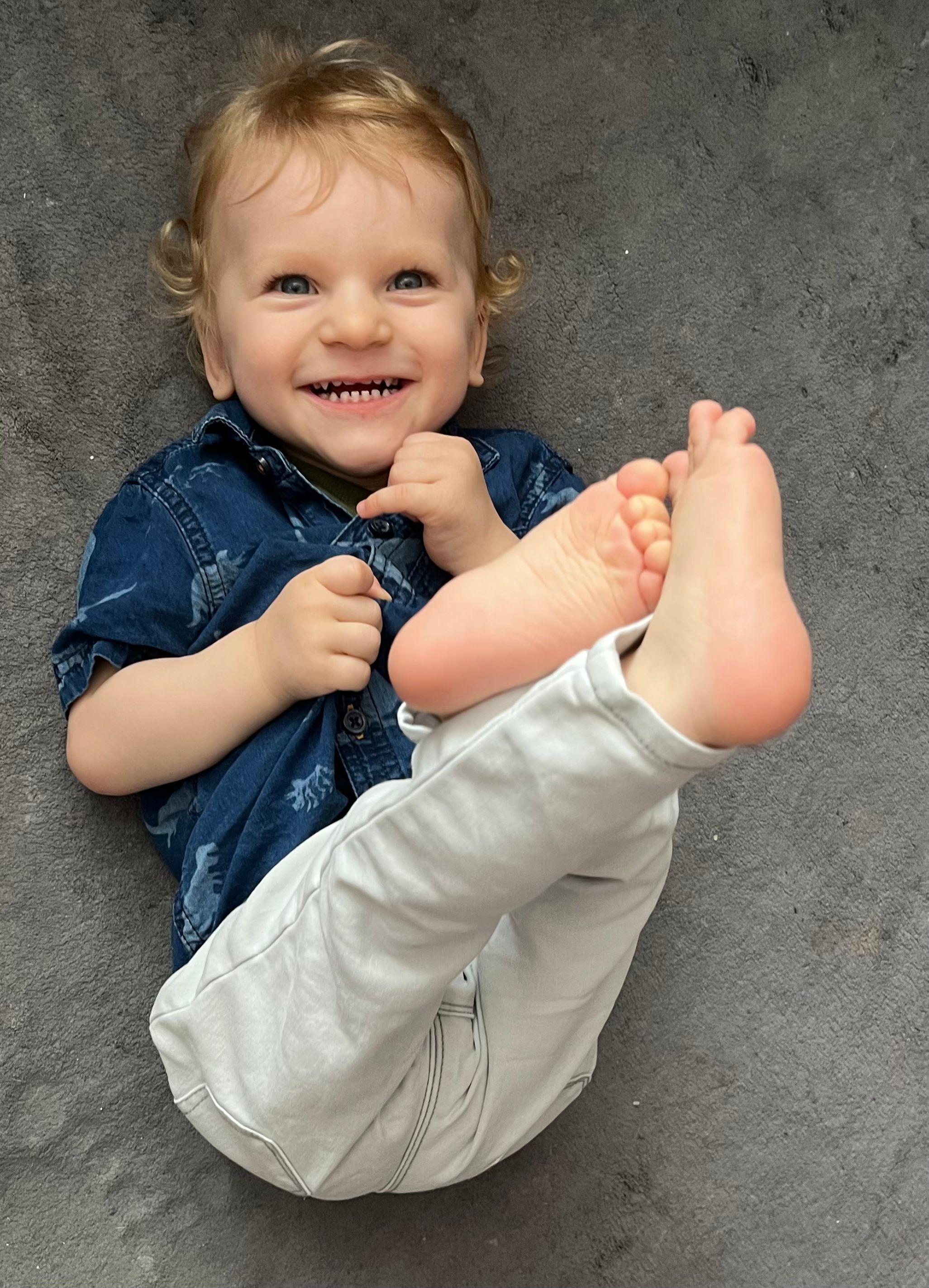
Adámek
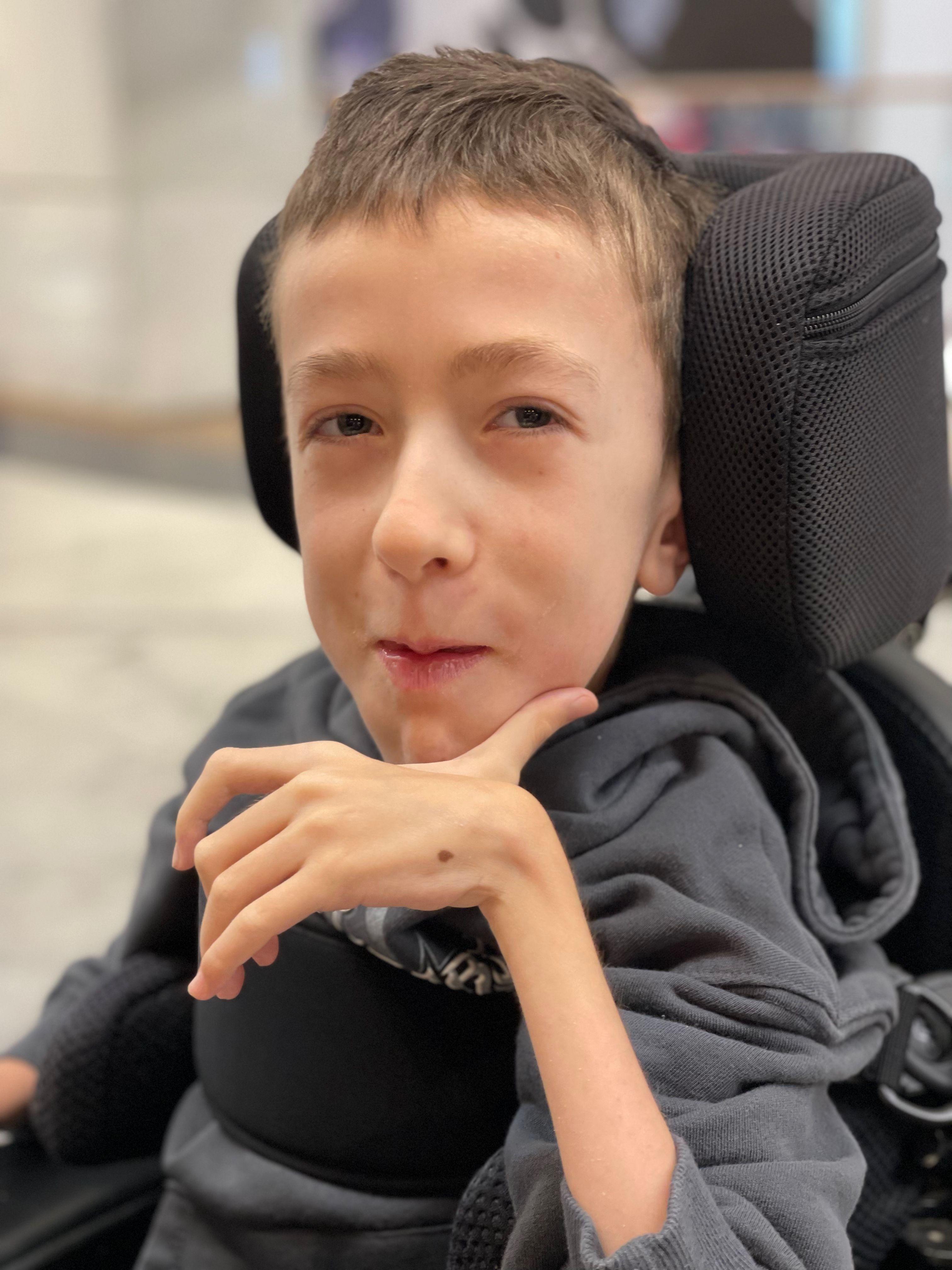
Adámek is 10 years old. He was born with a rare genetic disease: Merosin-deficient congenital muscular dystrophy. His mobility is very limited, he has severe contractures on his hands, his legs and hips already went through a surgery and thanks to developing scoliosis, he cannot sit without help. He needs constant care, 24/7. We would like to finance rehabilitation therapies and hipporehabilitations, which helps him relax his hands as well as his neck and back.
Emička
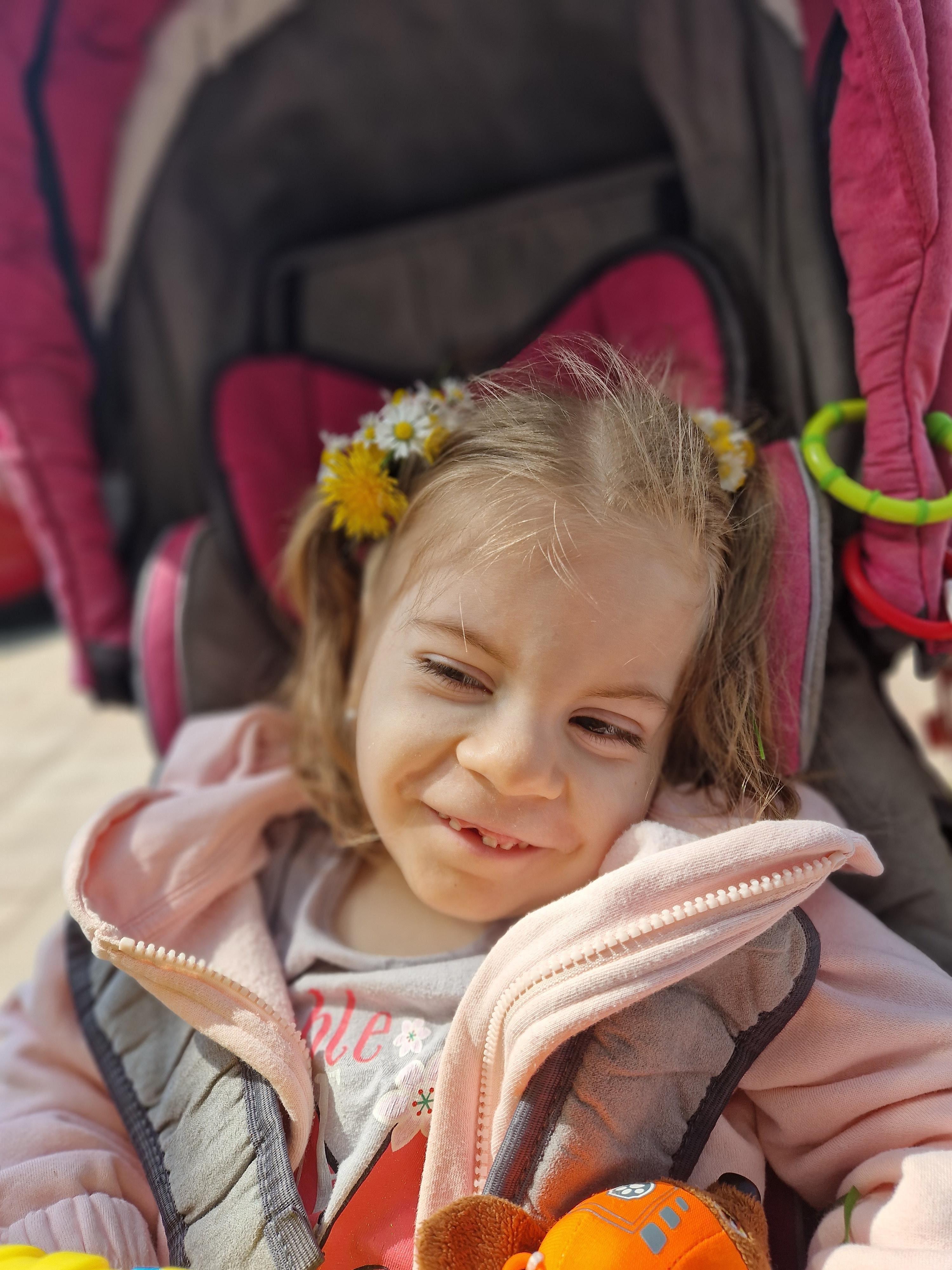
Emička is 7 years old. At the age of 5 months, she was diagnosed with a rare Pelizaeus-Merzbacher genetic disease. This disease affects the central nervous system and slows down the child development. Emička went through multitude of unpleasant medical examinations, such as taking blood samples from her head. Despite this, she keeps on fighting an has a great desire to explore the world around her. We would like to finance regular rehabilitations which will make her life more pleasant, despite her incurable disease.
Nikolka
Nikolka is 15 years old. She was diagnosed with a genetic disease Angelman syndrome. At a first sight, she appears like a healthy young lady. However, she suffers from severe mental retardation, epilepsy, sight dysfunction and hypotonia. She needs constant medical treatment. With help of rehabilitations, she learned to sit and crawl, with support, she would even stand-up. No one know, if she will ever walk, though. Because of this, she now focuses on learning to handle a wheelchair without help. This is greatly helped by rehabilitations, which we would like to finance.

Tommy
Tommy is 11 years old. He was born with neurodevelopmental disorder which makes him dependent on continuous care. On his own, he cannot eat, dress-up or perform everyday routines. Since several years, he also suffers from epilepsy. The disease is kept under control by therapies and rehabilitations, where, amongst others, he learns to be self-sufficient. We would like to finance his regular physical excersises, which help him to improve his movement coordination.
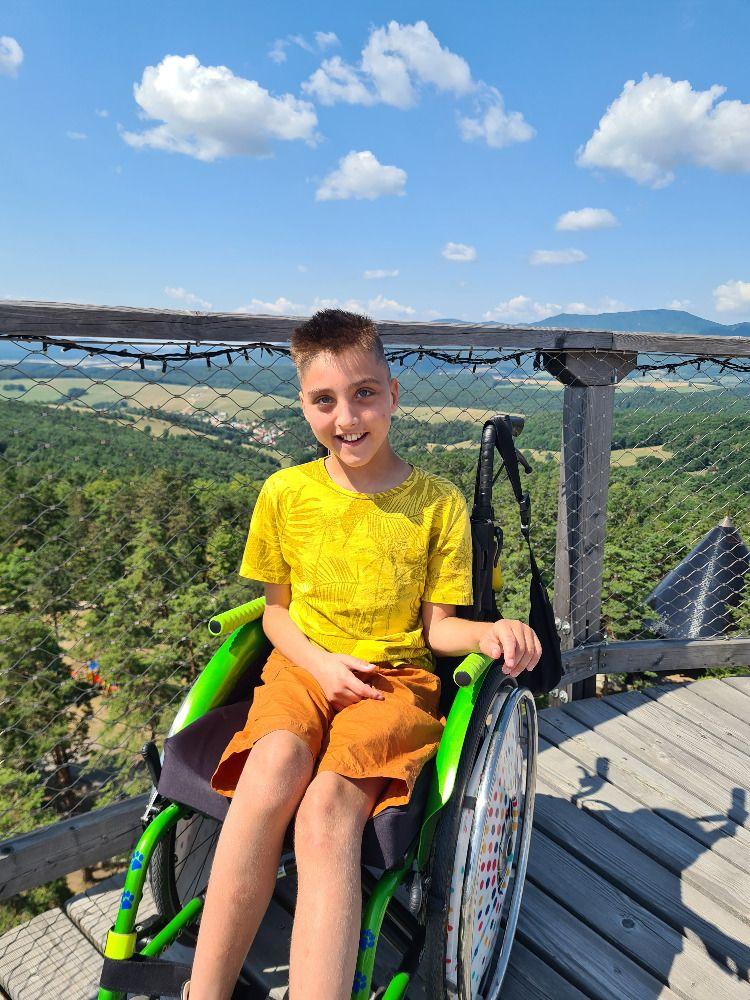
Bára
Bára is a 27 year old girl who bravely fights with her destiny. She underwent surgery for a
malignant brain tumour at the age of 13 and subsequent very demanding treatment.
Unfortunately, she was left paralyzed on the right side of her body, suffering from double
vision, tinnitus and an abnormal accumulation of cerebrospinal fluid in the individual
ventricles of her brain. She experienced loss of motor skills and has a great difficulty walking.
She has been rehabilitating all the time, trying different clinics, day care centres and
physiotherapists.
Last fall, she was placed in an intensive rehabilitation program at the Axon Clinic, where she
goes three times a week for four hours at a time while working. Thanks to the intensity of
the exercises, the clinic's equipment and her strong will, she has made tremendous progress.
Bára says that life with a wheelchair is quite good, but she doesn't want to give up and
believes, together with her mother who is a great support, that she can become
independent again.
How will Advenťák runners help Bára?
Advenťák runners would like to pay for an intensive one-month rehabilitation programme
for Bára to help her make further progress on her journey to independence.


David
David was born as a healthy baby. In his sixth week, he went into respiratory arrest in his sleep and hemorrhaged into his lungs. Doctors did their best to save David and subsequently diagnosed him with SIDS - Sudden Infant Death Syndrome with successful resuscitation. The chief doctor told them that in his 25 years of practice he had never encountered such a case.
When David was a year old, doctors diagnosed him with cerebral palsy and spastic quadriparesis. His whole life revolves around rehab. After a surgery which he underwent at the age of nine and subsequent rehabilitations, he has made great improvements and can now manage a shorter walk with a walking aid on his own.
Life with a disabled child is not easy, and David's mother gives all her time to her son so that he can enjoy great childhood, and he can be as happy and cheerful as possible.
How will the Advenťák runners help David?
We would like to provide finances to buy an ultralight wheelchair that will grow with him. This will allow him to go to where he needs and to be independent of the help of another person.
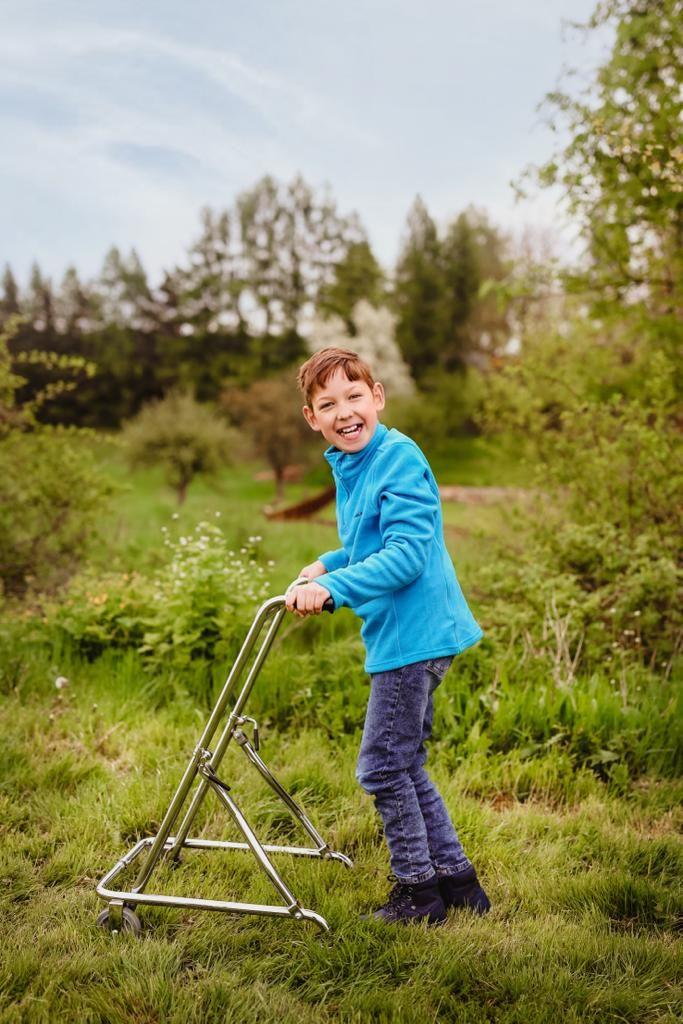
Elenka
Elenka is a 16-year-old girl who has severe physical and mental disabilities. She has been struggling with this disability since she was 8 months old, when it manifested itself as a consequence of vaccinations. She is not able to move independently, cannot eat on her own, does not speak, and is therefore dependent on 24-hour care from her family.
In May 2014, Elenka was enrolled in a study of rare metabolic disorders. In November 2019, Elenka was diagnosed with a very rare genetic disorder - the candidate gene HNRNPU, which only 80 people worldwide have.
Elenka also suffers from a rare form of epilepsy for which medication does not work and sometimes there are very difficult times when Elenka has up to 250 epileptic seizures a day.
Elenka's father tragically died 14 years ago. And even though Elenka's mother was left to do everything on her own, she managed to raise a wonderful son who is now also helping her a lot with Elenka's care.
How will the Advenťák runners help Elenka?
The Advenťák runners would like to finance further intensive neurorehabilitation sessions for Elenka, which inscribes a special formula in her brain and despite her very poor diagnosis, Elenka is making progress, proving that with regular exercise you can make a miracle happen.
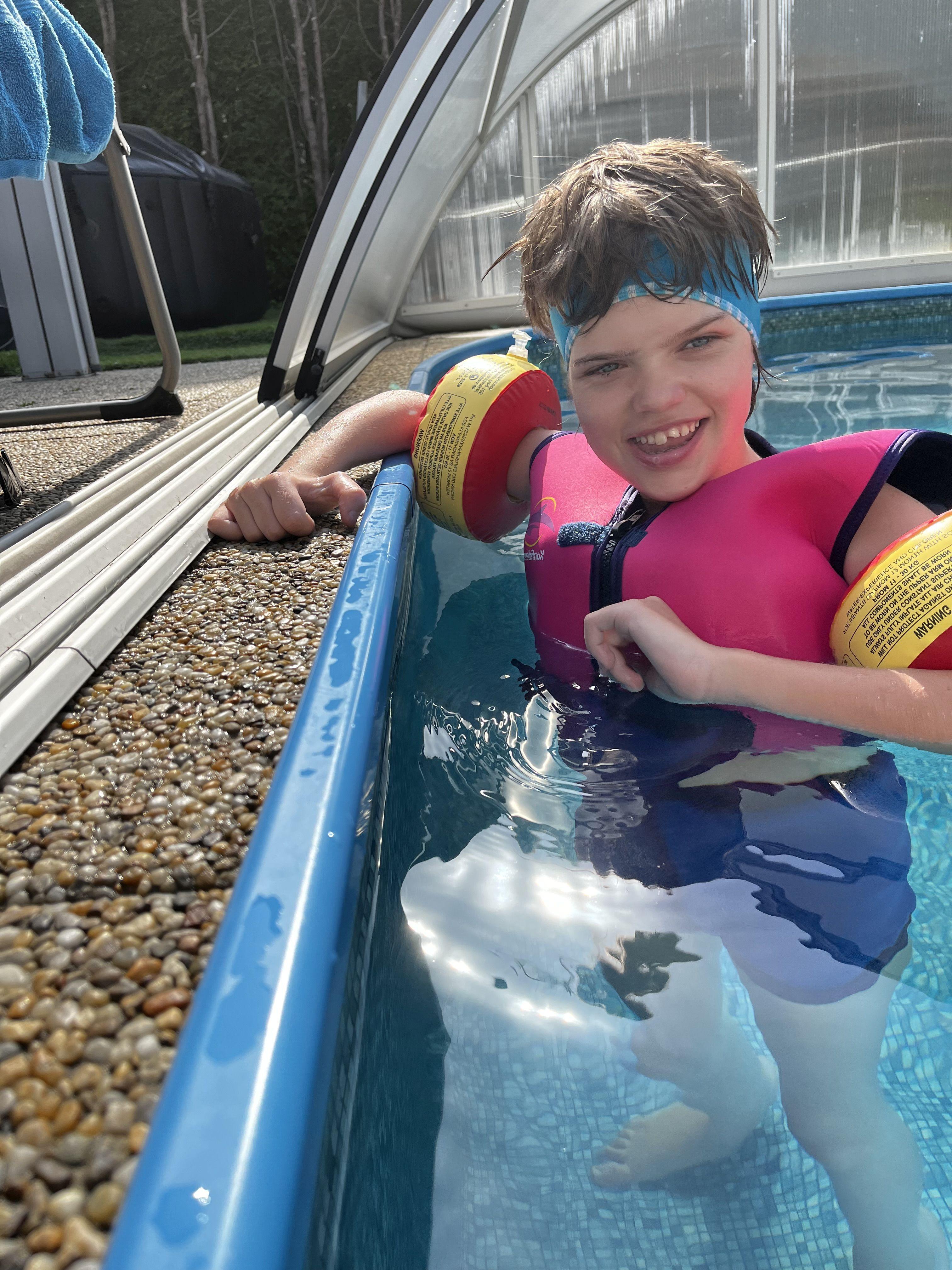
Eliška
Eliška is a 14-year-old girl with a combined disability with a main diagnosis of Kabuki syndrome. She has had many difficult surgeries (hips, ankles, heart, eyes) and even though she should never have walked, thanks to rehabilitations and hippotherapies Eliška has learned to walk. The psyche of children with Kabuki syndrome is very fragile and children with this syndrome suffer from severe anxiety. Hipporehabilitations, which are not covered by health insurance, help Eliška to stabilize these anxiety conditions.
How will the Advenťák runners help Eliška?
The Advenťák runners would like to pay for hipporehabilitations for Eliška, including associated therapies, in order to alleviate her anxiety conditions.

Elizabeth a Sarah
Sarah is a 12 year-old girl who broke the strongest bone in her body when she was five years old and has had more than twenty fractures since then. She is in her sixth year of cancer treatment. For the past two years, she has had severe chronic bones and joint pain and
cannot do anything that her peers do.
Her younger sister Elizabeth has cerebral palsy, spastic triparesis. She has had a number of surgeries and in April this year she was close to drowning, had to be resuscitated, which resulted in very aggressive moods, mood swings and demotivation.
Both girls cannot digest histamine well and therefore have to adhere to gluten free, dairy free and soy free diet.
The girls's father collapsed three years ago, suffered a stroke and had a second attack this year. Despite this, the family has not given up and providing regular rehabilitations to the girls and want to carry on doing them.
How will Advenťák runners help the sisters?
The Advenťák runners want to get the girls special mattresses and also pay for hippotherapy and physiotherapy so that their physical condition can improve.

Esterka
Esterka is a 12 years old girl with rare Charge Syndrome. In addition, Esterka has visual impairment, hearing impairment, body-balance issues and is mentally at the level of a 2.5- year-old child. She needs constant care from another person and needs to attend a special school, which she travels about 80 km to every day. Despite all this, she is a great fighter and enjoys learning at school.
How will the Advenťák runners help Esterka?
The Advenťák runners would like to pay for two hipporehabilitation stays for Esterka and also a year of Feldenkreis therapy, which helps her a lot both physically and mentally.
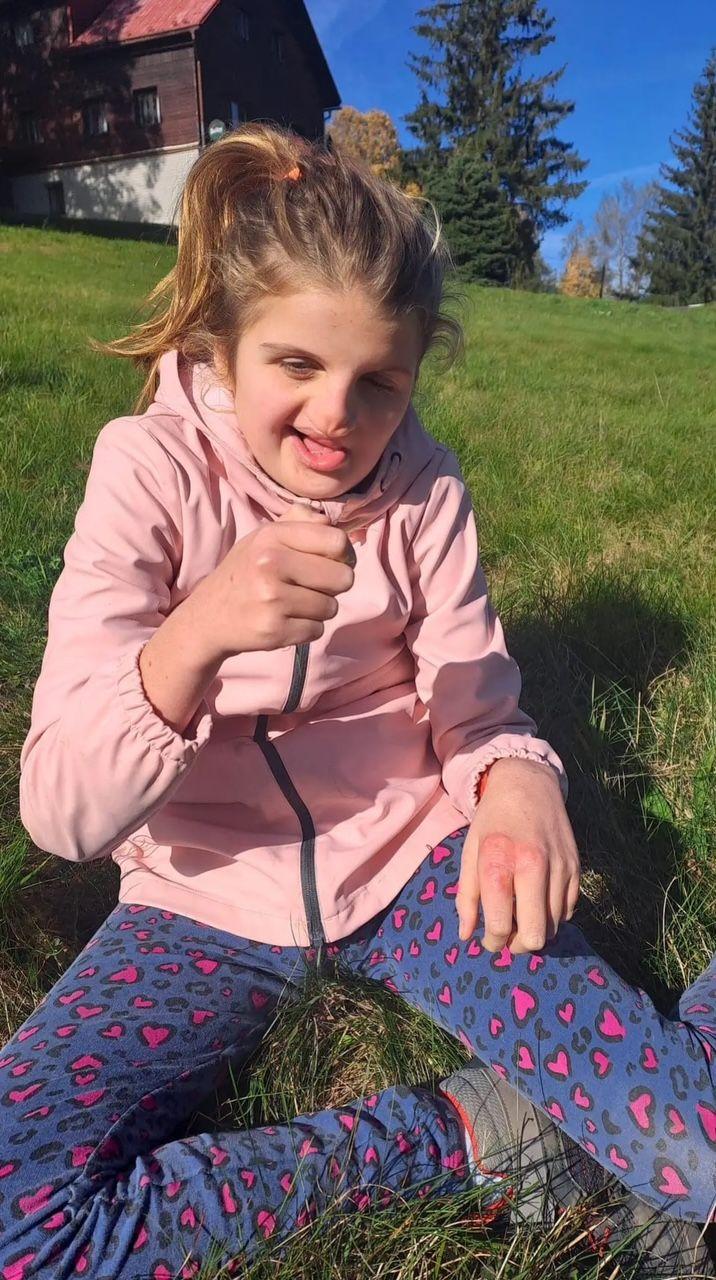
Jakub
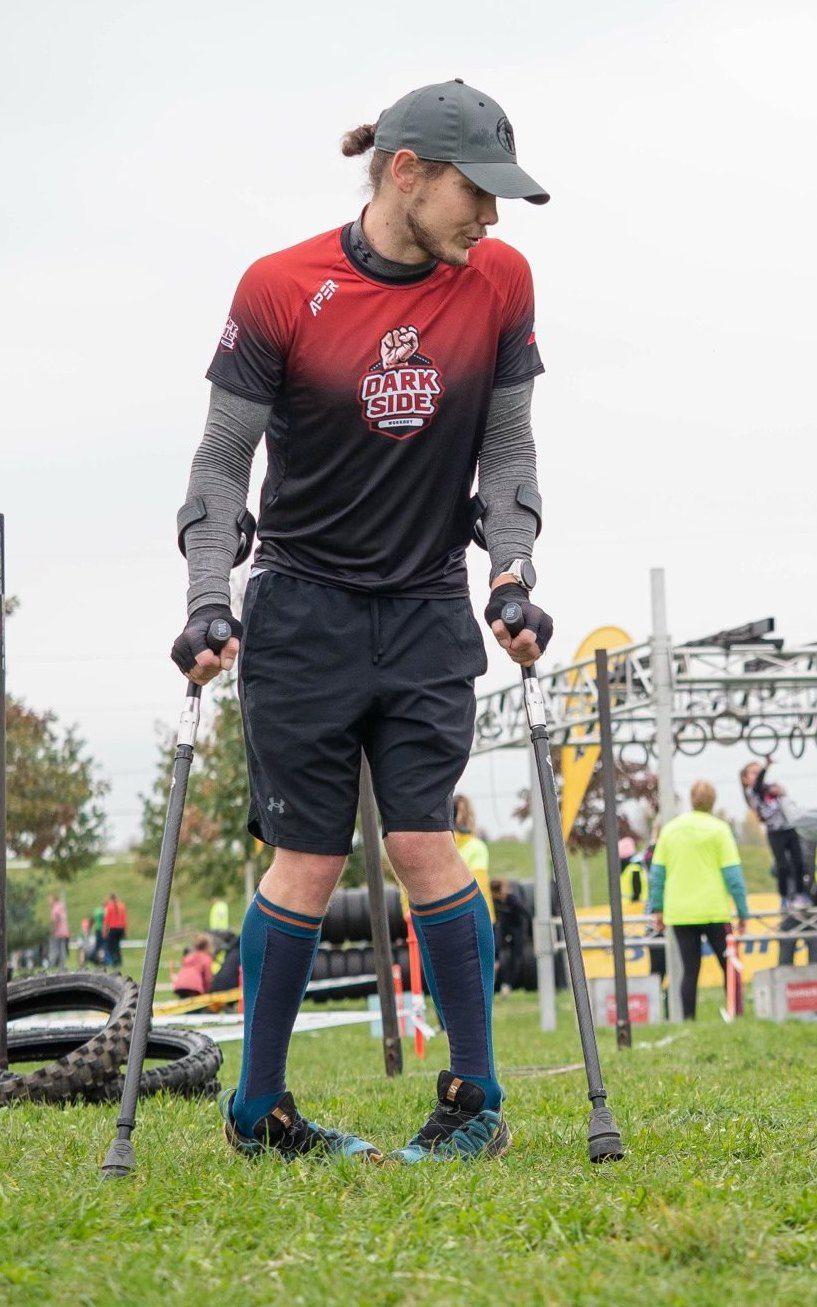
Many Advenťák runners already know Jakub, because he is also one of us and even runs with us not only in December. And so we think that the best way to tell his story is that he introduces it to us himself:
I have had a lower limb disability since I was a kid - paraparesis. What is it caused by even doctors sometimes disagree, but the latest verdict was Friedreich's ataxia. But as one of my
favourite physiotherapists said "Jakub, but for what you suffer from, you are not that contorted". So the only thing the doctors in my life agree on is that "I will never be healthy".
Thanks to sports - rehab - and a large dose of compensatory exercises (stretching, yoga, foam-roller exercises, etc.) I manage to fight my disability and "slow down" the progression of the disease as much as possible.
A great impulse in my life to start working on myself again was the birth of my son. At that time, I weighed almost 100kg and I didn't go anywhere. Gradually I lost weight, I started to walk a lot, I even started to run - so that it never happens that when my little one wants to go to the playground and all I say to him is "sorry, but I won't get there".
Despite my initial fears - I was really scared to sign up for my first race, expecting people to react negatively, expecting them to laugh at me and think "what is he doing here, he doesn't even run" - I signed up for my first race.
But to my great surprise, the exact opposite happened, people were pointing at me but were respectfully tipping their hats. Over time I understood that if I moved, I could inspire someone else to get moving, to start doing "something" - which was confirmed over time when a few people wrote to me that when they saw me running they didn't hesitate to sign up for a race too, or at least start doing some sport.
And what do I enjoy about charity events? The fact that you don't have to have much yourself to make a difference in someone's life. The fact that offering a helping hand is sometimes far more than the "millions" in your bank account.
How will the Advenťák runners help Jakub?
We want to get Jakub running shoes for the whole year, as his running style wears the shoes far more than usual and we really want him to run with us and motivate others as well as he does now.
Kuba
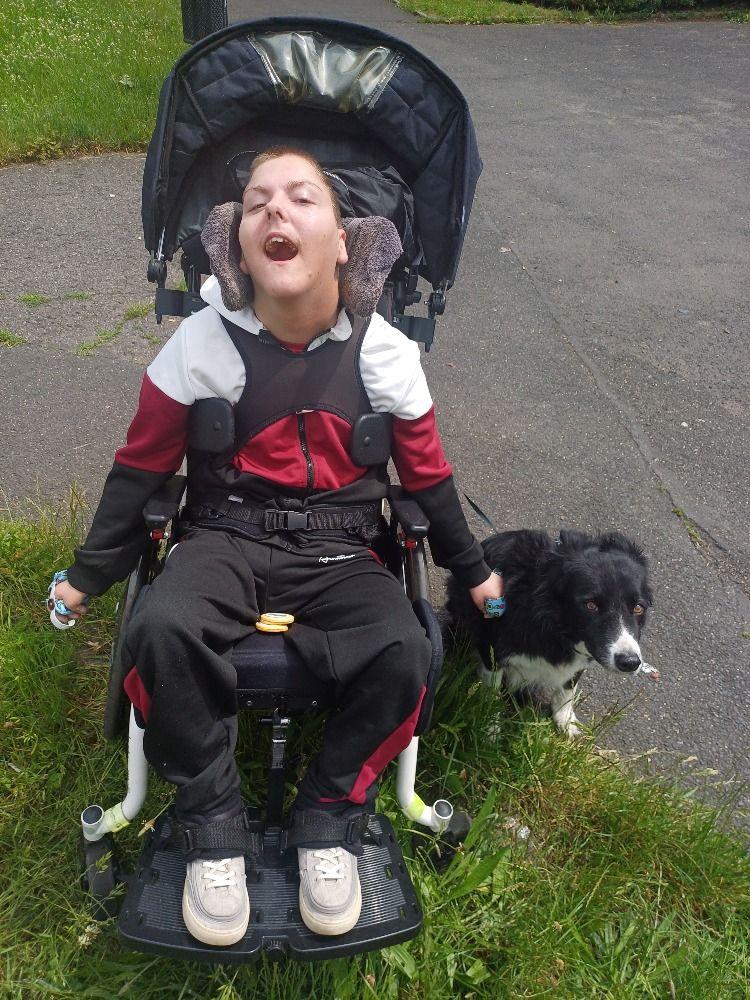
Kuba is a 16-year-old boy with cerebral palsy and combined disabilities - mental, motor and visual. Kuba also struggles with epileptic seizures and spasms in all his limbs. He was born very premature with lifelong effects. He is dependent on the 24-hour care of his loved ones. He does not sit or walk on his own, has a peg in place for feeding, but is still a very receptive and happy boy who enjoys company.
How will the Advenťák runners help Kuba?
He likes to go for walks and needs a special outdoor stroller, which the Advenťák runners would like to get for Kuba. This will allow Kuba to spend more time with his younger sister and assistance dog, who are very active.
Matyáš
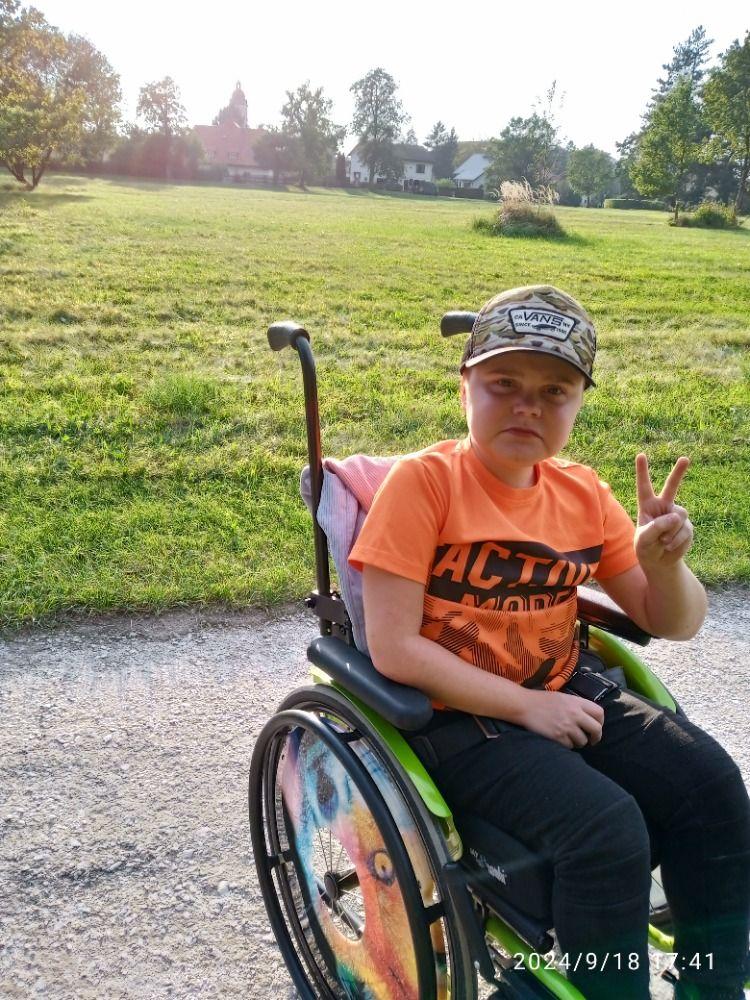
Matyáš was born as a healthy baby and almost until he was three years old, there was no indication that something would be out of the ordinary. When he started kindergarten, the differences between him and his peers began to manifest themselves. He wasn't as fast, he wasn't as good at jumping, running and climbing. His walking became wobbly.
After various tests, he was diagnosed with Duchenne muscular dystrophy in Motol hospital. It's a rare genetic incurable disease that affects boys who gradually lose all their muscles. Between the ages of 8 and 12, they stop walking. Matyáš is 13 years old, attending 7th grade of school. He can only walk a few steps with support. Otherwise, he uses a wheelchair. But he's a very optimistic boy. He is always smiling, he is kind and is popular with friends and adults as well.
His mother and grandmother take care of him and after his grandfather died - his male role model and great friend, Matyáš immediately took on the role of the only man in the family. It's almost funny how he tries - being a child and especially given his health issues - to take the place of his grandfather. He is a little hero who doesn't even realize how he makes life better and more beautiful for others.
How will the Advenťák runners help Matyáš?
The Advenťák runners want to get Matyáš an electric drive for his wheelchair that will take a lot of the strain off him so he can be more free and could go out with his friends.
Samuel
Samuel's parents gave him up and put him in Klokánek (association for endangered children) when he was 10 months old. His grandmother took Samuel into her care. During the time he was with his parents, he was neglected a lot. Eventually he was diagnosed with central hypotonia and delayed psychomotor development.
Samuel does not speak, has moderate mental retardation and attends a special school. Samuel is now 7 years old and caring for him is challenging, because he cannot be unsupervised. He is working with his grandmother so he can care about himself more independently and to improve his condition. His dad visits Samuel regularly and takes an interest in him. His mum has not seen Samuel for 4 years.
How will the Advenťák runners help Samuel?
Regular ergotherapy sessions are important for Samuel to develop logical thinking, fine motor skills, concentration and coordination of movement. Advenťák runners would like to pay for Samuel's ergotherapy sessions for a whole year, as well as an intensive speech therapy session.

Amélie
Amélie was born in 2020 as the first of fraternal twins. When she was 3 months old, her mother Denisa noticed the first differences compared to her sister Terezka. Amélie had trouble holding her head up, wasn’t lifting her chest during tummy time, cried often, was restless, didn’t sleep well, and refused milk. At that time, however, doctors said everything was fine.
At 8 months old, muscle spasms began, prompting her mother to immediately start paying for private rehabilitation sessions. Months of Vojta therapy, however, showed no results. While her mother was covering all the costs herself, they finally received a referral to a neurologist, where they are still trying to determine the cause of all Amélie’s issues.
It wasn’t until she was 3 years old that Amélie took her first steps, and now, at 4, her walking is still not fully stable. She needs assistance with eating, cannot dress herself, and is not toilet trained. Her psychomotor development corresponds to that of a 2-year-old child. Amélie also suffers from dyskinetic cerebral palsy, muscle hypotonia, and axial hypotonia. Despite all the care Amélie requires, her mother also devotes time to Terezka, who loves playing with her sister and tries to help her whenever she can.
How will Advent runners help Amélie?
We will cover the costs of additional hippotherapy sessions,which are very important to Amálka and are moving her forward.
Emička
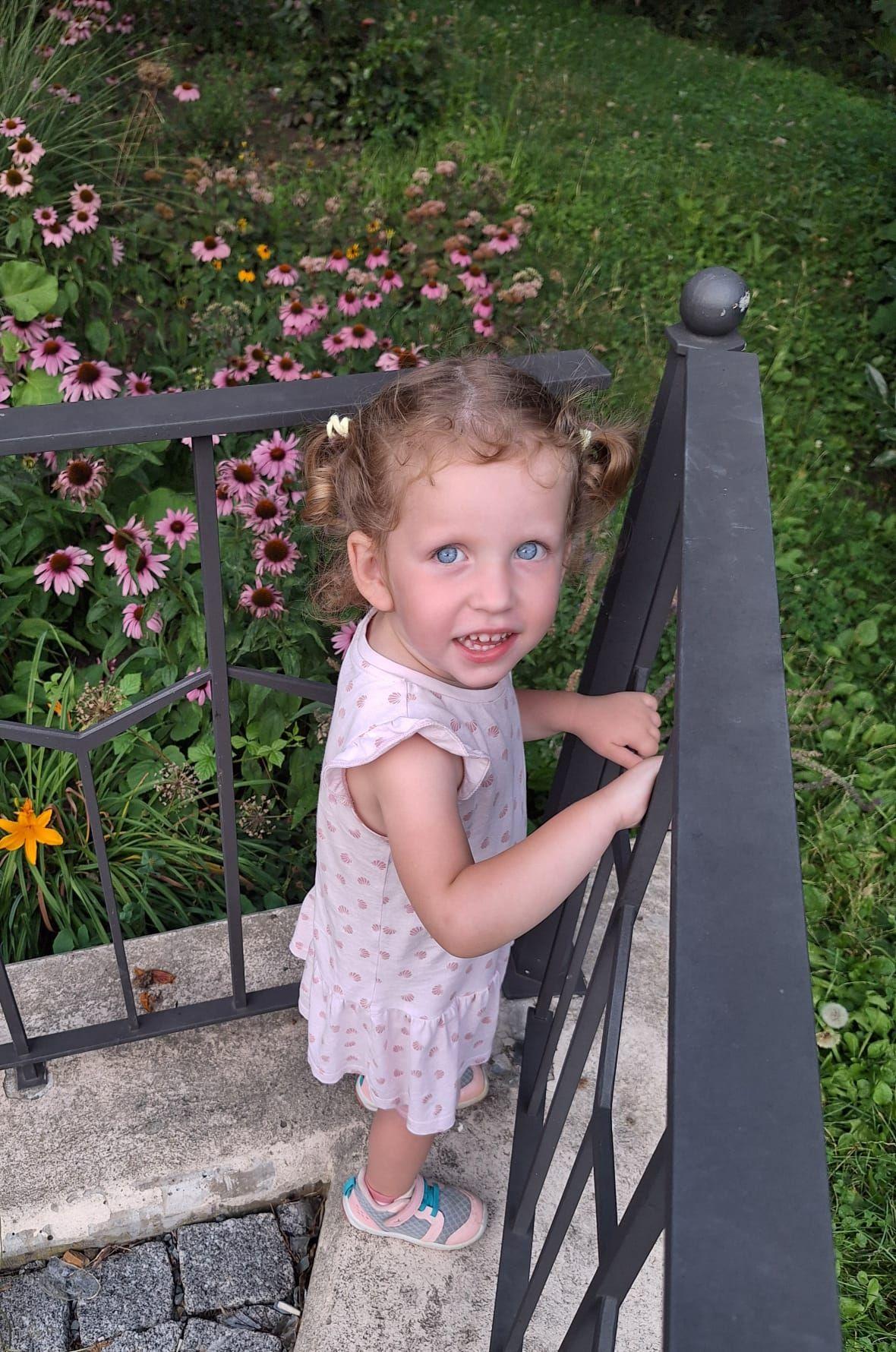
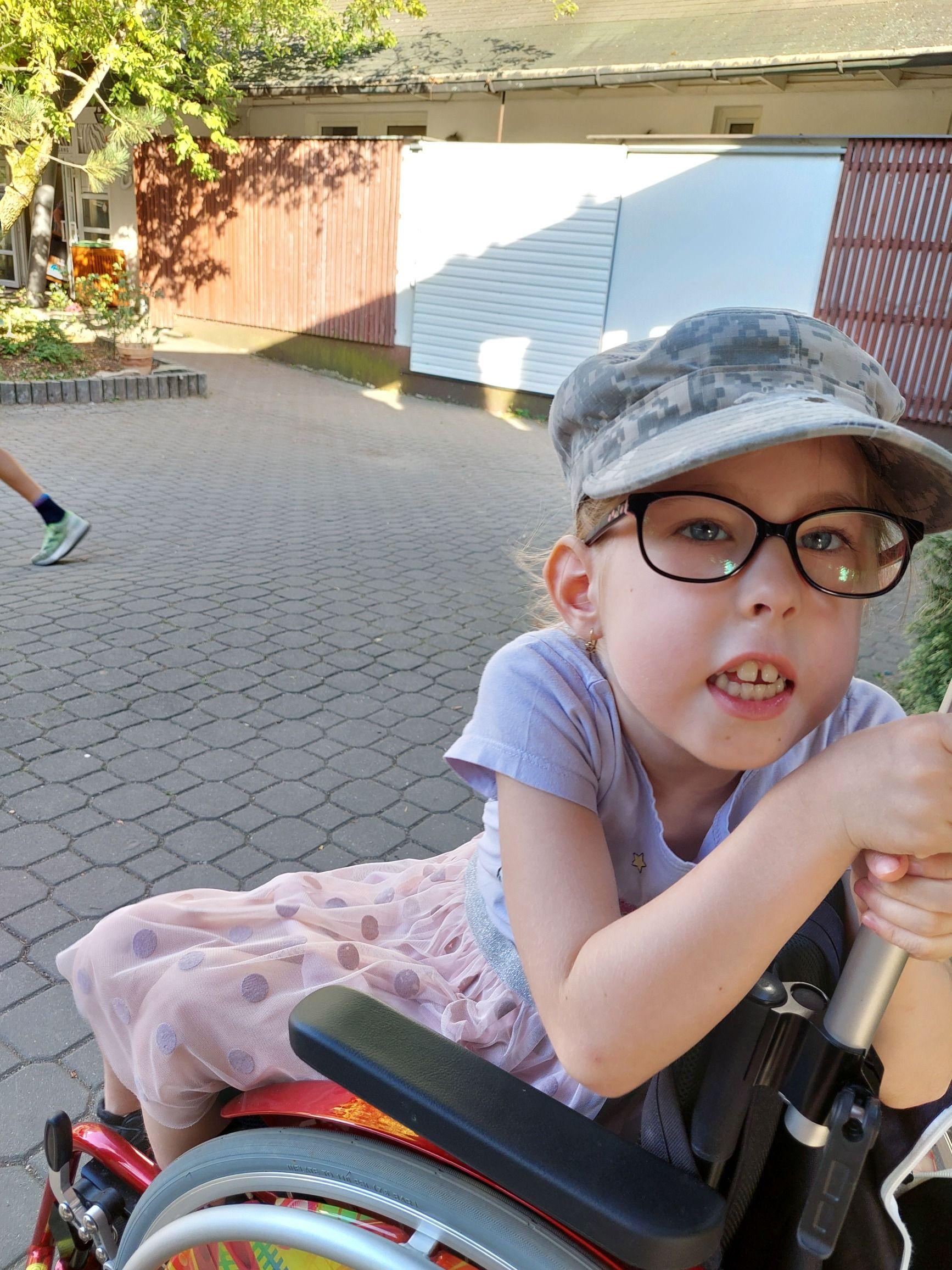
Emička was born with a diagnosis of congenital myotonic dystrophy type I, an incurable neuromuscular disease that causes muscle weakness and stiffness. In her case, there is no mental retardation, only delayed psychomotor development. Emička exercises at home every day to strengthen her muscles, but to make greater progress, she needs to attend intensive rehabilitation stays that help her stabilize her body. These rehabilitations are financially demanding but very important for Emička because they allow her to improve her stability and participate in regular children's activities. Thanks to these exercises, she can move more freely and enjoy her favorite activities like dancing, playing doctor, or with Barbie dolls.
How will Advent runners help Emička?
Thanks to the Advent Runners, Emička will be able to attend a 14-day intensive rehabilitation program, Reha Motion, at the Klimkovice spa.
Justýnka
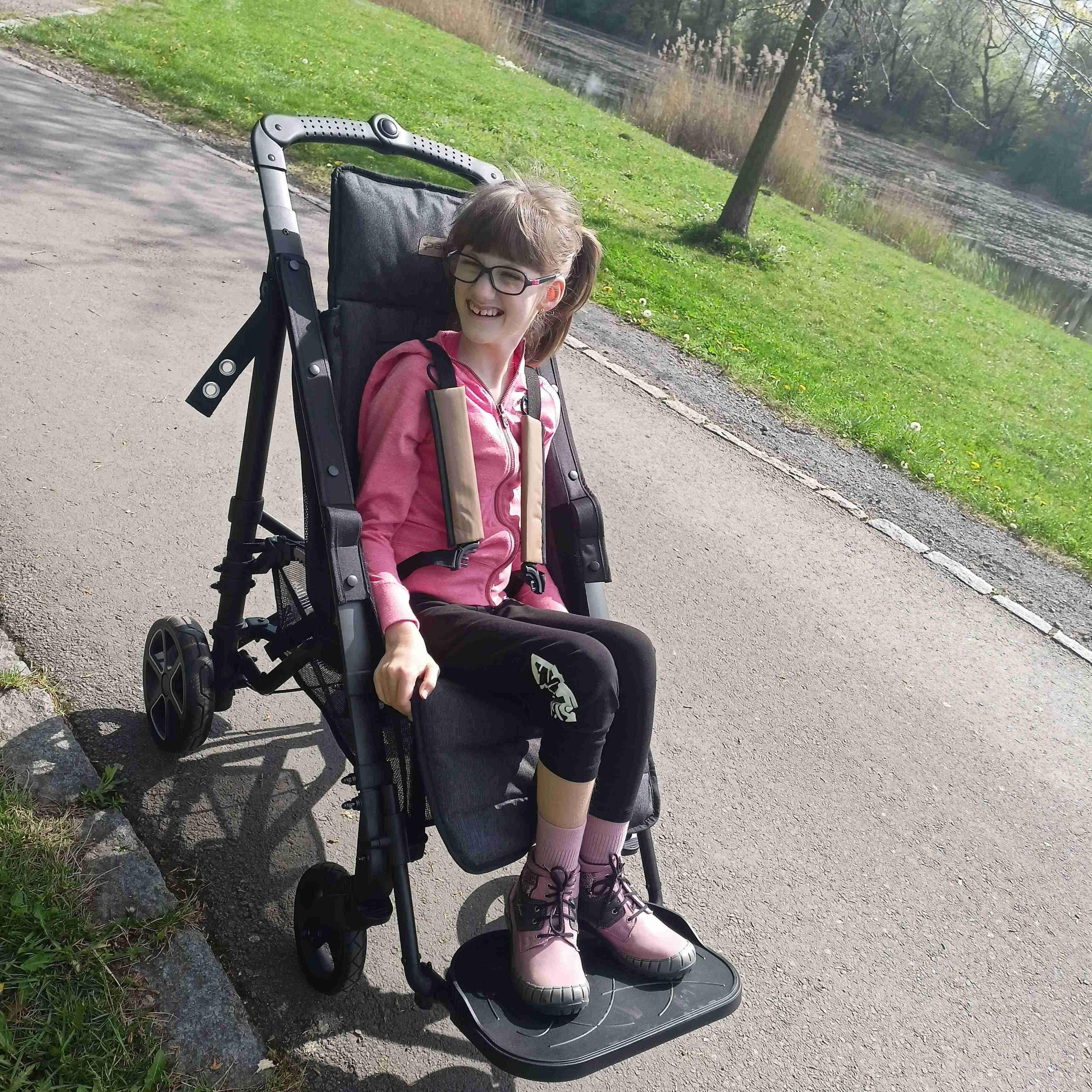
Justýnka was born a healthy baby, but after receiving the hexavalent vaccine, she began to change before her family’s eyes. She developed epilepsy, and her little body became limp like jelly. She started focusing only on light, and it was incredibly difficult for her family to watch her slowly fade away.
Justýnka has moderate intellectual disability, cerebral palsy, and central muscle hypotonia, which makes her body as floppy as a rag doll. Because of this, she constantly needs to strengthen her muscles.
Her mother takes her to spa treatments and pays for specialized neurorehabilitation programs, additional therapies, speech therapy, hippotherapy, and canistherapy. Life with such a severely ill child is extremely demanding, and it’s already taking a toll on her mother’s health—she had knee surgery in January and now faces at least six months of her own rehabilitation.
How will Advent runners help Justýnka?
We will arrange an intensive rehabilitation stay for Justýnka at the Klimkovice spa. After this stay, she is always more stable and attentive, benefiting both physically and mentally.
Kačenka
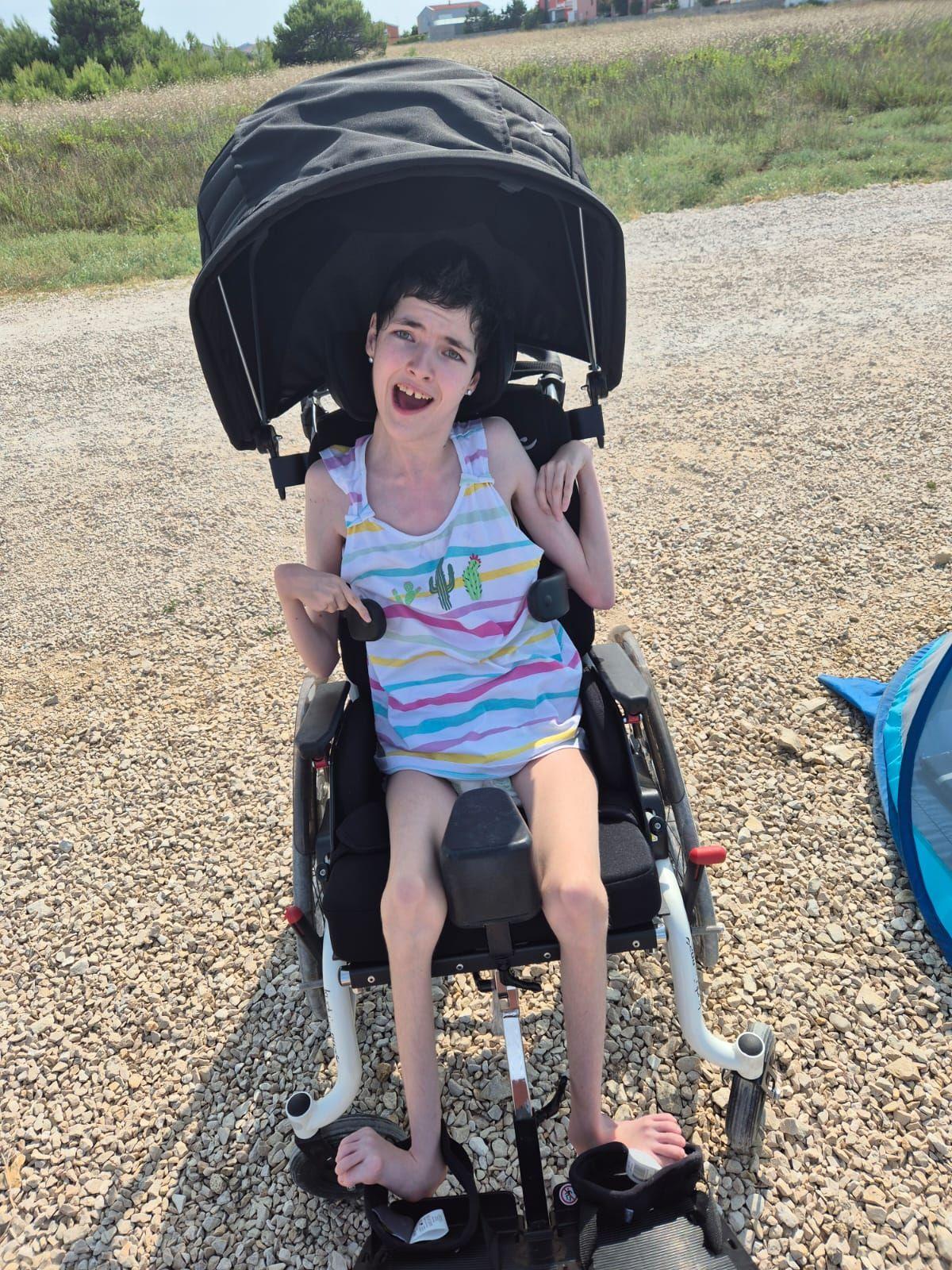
Kačenka is a 15-year-old girl with severe disabilities, developmentally at the level of a six-month-old baby. She is completely immobile. Born prematurely at 29 weeks, she suffered from a lack of oxygen in the womb, which caused brain damage diagnosed as cerebral palsy—now identified as the dystonic-dyskinetic form.
Kačenka has multiple associated health issues, including hip subluxation, severe intellectual disability, West syndrome (a form of epilepsy), a very weak immune system, and now also scoliosis. She uses a wheelchair, cannot speak, and cannot feed herself. She is entirely dependent on her family’s care.
Despite these challenges, Kačenka’s family is very active, and her two healthy siblings are passionate about sports. When they’re not busy with training or competitions, their father loves taking them on bike rides. Kačenka herself loves being outside and enjoys rides in nature. However, a standard wheelchair is uncomfortable for longer outings, and the family worries about pressure sores and worsening scoliosis.
Kubíček
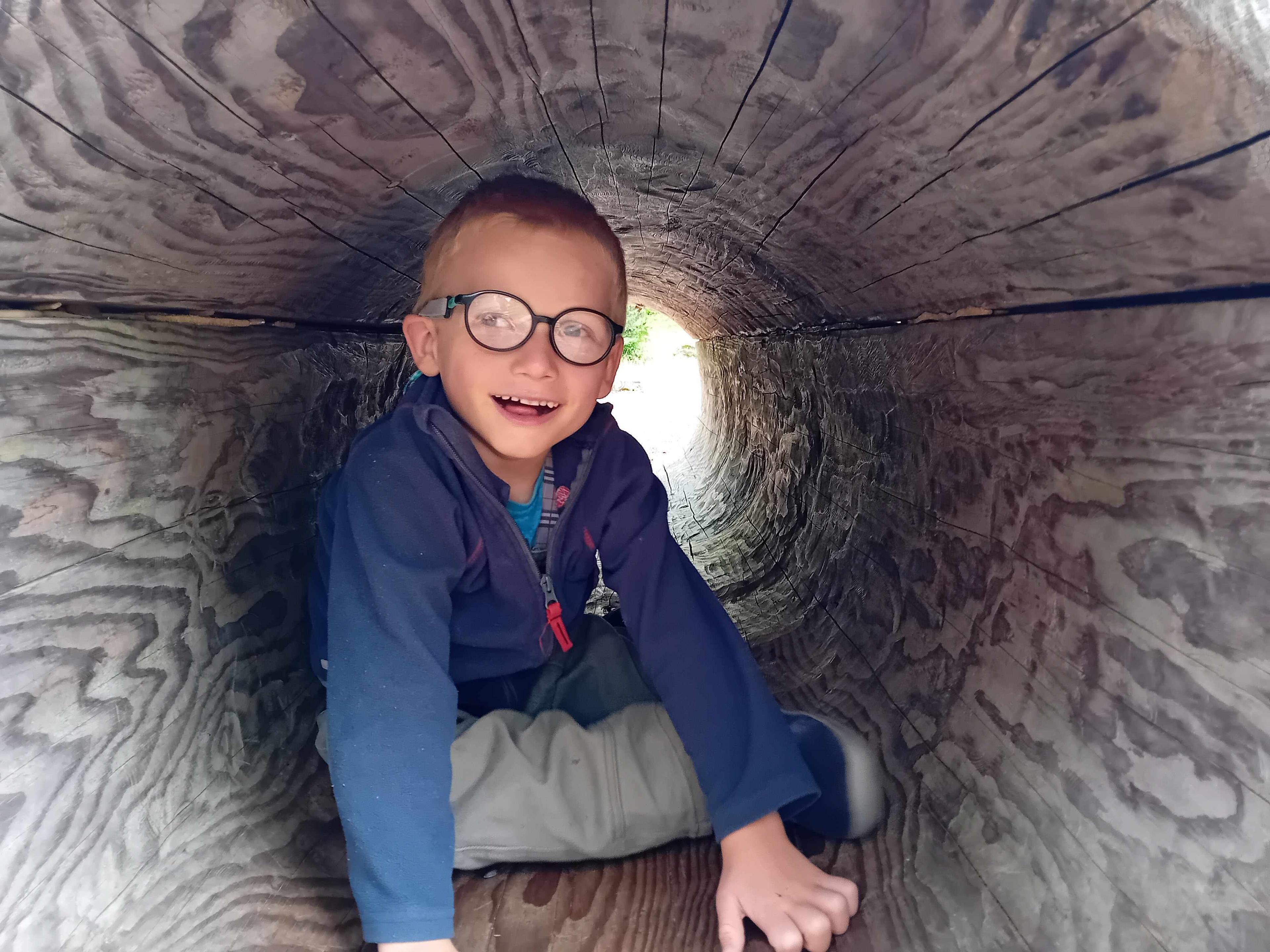
Kubíček was born a few days before Christmas, arriving a month early—perhaps eager to meet Ježíšek. In his first weeks, he cried constantly. As time went on, his parents noticed that he was not reacting much and was not making developmental progress. They visited several specialists, and Kuba was given glasses and started rehabilitation.
At one year old, their hard work paid off—until then, Kuba had only been a lying, murmuring baby, but for the first time, he rolled onto his tummy! However, the joy was accompanied by a difficult diagnosis: cerebral palsy. That summer, Kuba went to a spa for the first time and was thrilled to be in the pool.
After his second birthday, genetic testing revealed that Kuba has Angelman syndrome, a condition often called the “angel children” disease, which is associated with developmental delays and severe intellectual disability. His parents work with him daily, taking him to occupational therapy, speech therapy, and hippotherapy (which he doesn’t love, but it helps strengthen his core). He absolutely loves water—he could stay in a pool all day.
Kubíček is slowly improving in movement. Now, at five years old, he can walk around furniture and pull himself up to stand. However, his growing size puts strain on his legs—his ankles collapse, and his feet turn inward. He also has shortened Achilles tendons. While he wears orthotics from the Czech Republic, they are not sufficient to prevent further deterioration or, ideally, to help him improve.
Communication is also a challenge. Kubík does not speak, point, or express his needs, so his caregivers must anticipate everything for him. Despite these obstacles, he is a cheerful little angel. His younger sister has already surpassed him, running circles around him, and Kuba often tries to crawl after her.
How will Advent runners help Kubíček?
We will cover the cost of specialized Pohlig orthotics to help him get closer to independent walking—giving him more confidence, improving his stability, and preventing further foot deformities.
Maruška
Maruška is a six-year-old girl whose life has not been easy. Her childhood isn’t just about playing and having fun with her siblings and other children. Maruška bravely battles cerebral palsy (CP) and psychomotor retardation (PMR), which means she has to undergo daily rehabilitation—both at home and with various specialists.
She is the third child in her family, with two healthy brothers, Jan and Josífek. Her birth was quick and without complications. However, in her first month, she suffered her first kidney infection, leading to a hospital stay and antibiotic treatment. Unfortunately, the kidney infections kept recurring, as did the hospitalizations. By the time she turned three, she had endured ten kidney infections and seven bladder infections. Since she was three months old, she has been on daily antibiotics as a preventive treatment, but she has developed resistance to some of them.
Maruška was diagnosed with cerebral palsy at the age of three when it became clear that her motor skills were not progressing, despite previous tests showing no major issues.
Since then, she has been undergoing intensive therapy. Twice a year, she attends neurorehabilitation programs at Klimkovice Spa. Three times a week, she spends two hours a day at a private neurorehabilitation center called Astra, but these essential therapies are not covered by insurance. In addition, she attends occupational therapy, Bobath therapy, hippotherapy, osteodynamics, speech therapy, and Feldenkrais therapy, and receives early intervention support.
Despite all these challenges, Maruška is a determined and clever little girl. She understands everything perfectly—her mind is sharp, but her body doesn’t cooperate. She is mentally at her age level, which allows her to attend a regular kindergarten with an assistant. She loves it there, and her family is thrilled to see her happy. Her classmates adore her, help her, and encourage her to participate in activities like other children. Unfortunately, her mobility limitations prevent her from doing so—she cannot sit, crawl, or walk on her own and relies on a specialized walker.
Doctors cannot predict Maruška’s future mobility, but most agree that she has the potential to improve because she has the necessary movement patterns.
How will Advent runners help Maruška?
Maruška will be treated to a stay at the Klimkovice spa and also to speech therapy, which is very important for improving speech.
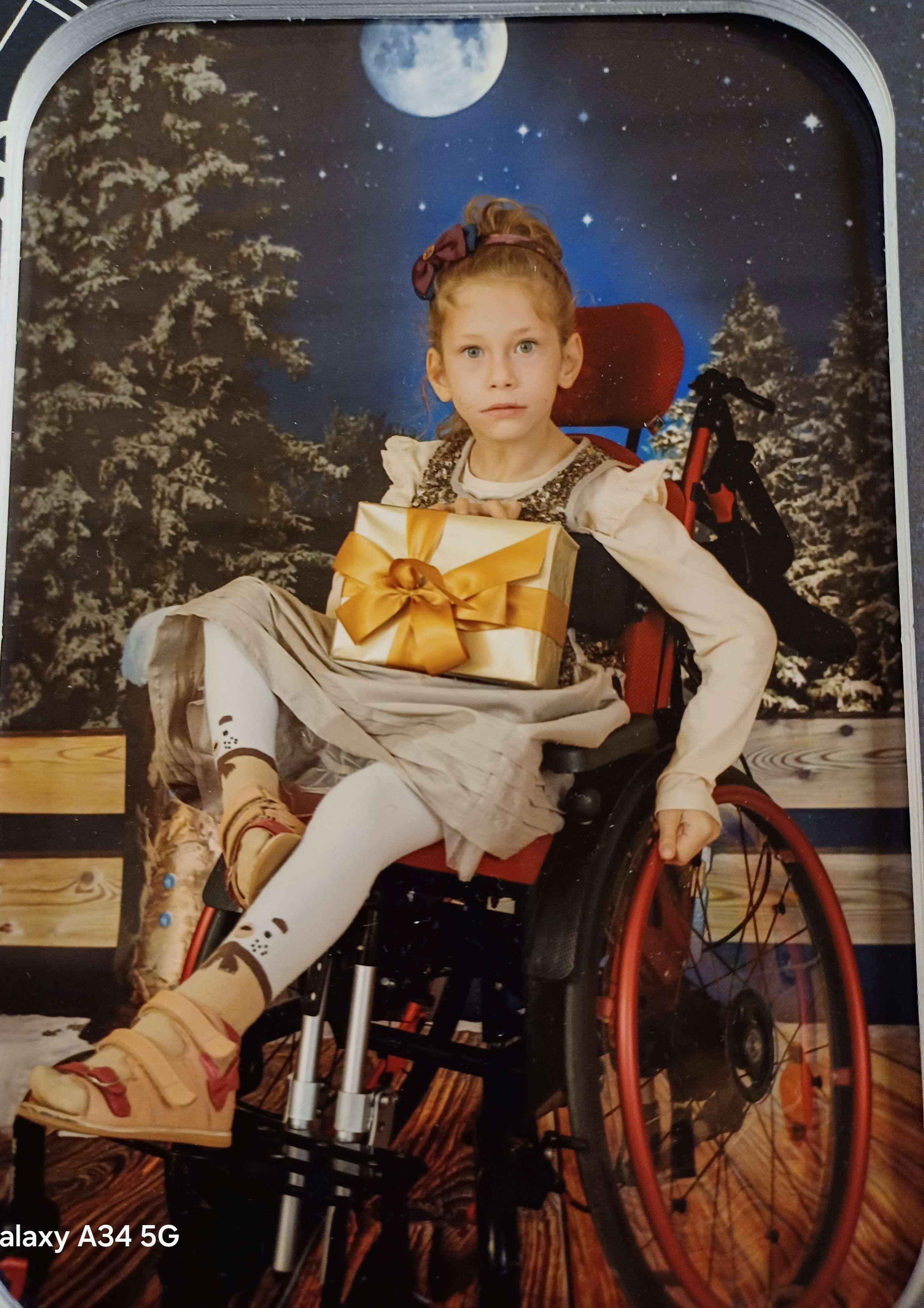
Natálka
Natálka is a four-year-old girl who is considered a "non-mobile" child, with a mental development equivalent to that of a three-month-old baby. The reason for this is an undiagnosed cytomegalovirus infection during pregnancy. It wasn’t until she was four months old, after undergoing an MRI, that doctors discovered her brain development had stopped at the 20th week of pregnancy. Many parts of her brain are missing, causing severe disabilities.
Natálka has epilepsy, moderate hearing loss, and impaired vision. Her body is often affected by dystonia, which is linked to epilepsy and triggers painful seizures and crying episodes. Despite these challenges, Natálka is an incredibly happy and cheerful little girl. She loves lights, music, and her biggest joy is watching Peppa Pig. Her laughter fills the whole home.
A great blessing for Natálka is the opportunity to rehabilitate at the Sarema Center in Liberec, where dedicated physiotherapists work with her. Thanks to their care and special aids, Natálka was able to stand for the first time in her life! For her parents, it was an incredibly emotional moment—they never imagined that their little girl would ever stand on her own feet, even for a short while.
How will Advent runners help Natálka?
We will support her rehabilitation, enabling her to make further progress after the hip surgery.
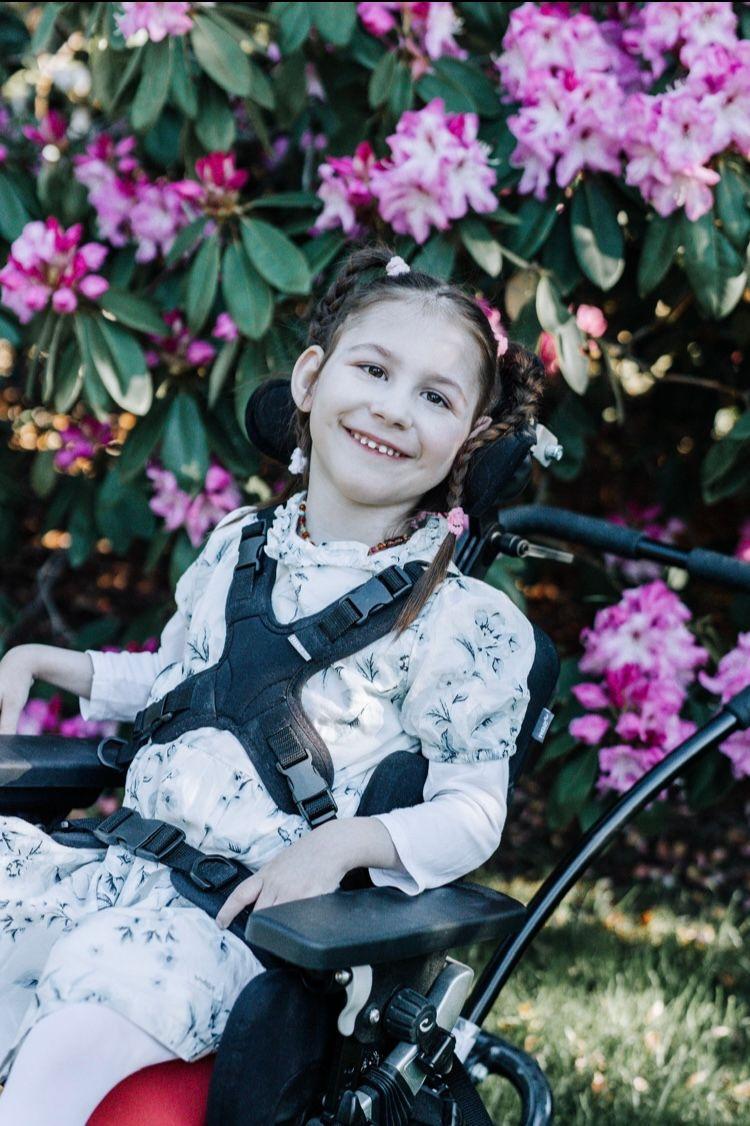
Ondra
Ondra is 11 years old and was born at a time when most babies are still in their mother’s womb. He came into the world via an emergency C-section due to a failing placenta at just 26 weeks of pregnancy, weighing only 590 grams and measuring 31 cm. Immediately after birth, he had to be resuscitated, and due to a lack of oxygen and extreme prematurity, he now lives with cerebral palsy, epilepsy, and a visual impairment.
From the very beginning, Ondra started rehabilitation, visited specialists, and spent a lot of time in the hospital due to epilepsy, which he now manages with medication. He is a cheerful and easygoing boy who loves his family and songs, which he fondly calls "LaLa." His parents provide 24/7 care, and as he grows older and heavier, caring for him becomes increasingly demanding.
Ondra regularly travels to Prague for rehabilitation sessions with Klárka, whom he adores. He also attends hippotherapy stays, neurorehabilitation programs at Centrum Hájek, and every day, he goes to the Special Primary School Korálek in Kladno. He is a true fighter, never gives up, and firmly believes that he will accomplish a lot in his life.
How will the Advent runners help Ondra?
Ondra will be able to attend hiporehabilitation and neurorehabilitation all year round that help him very much. Both therapies help him strengthen his body and communicate more.
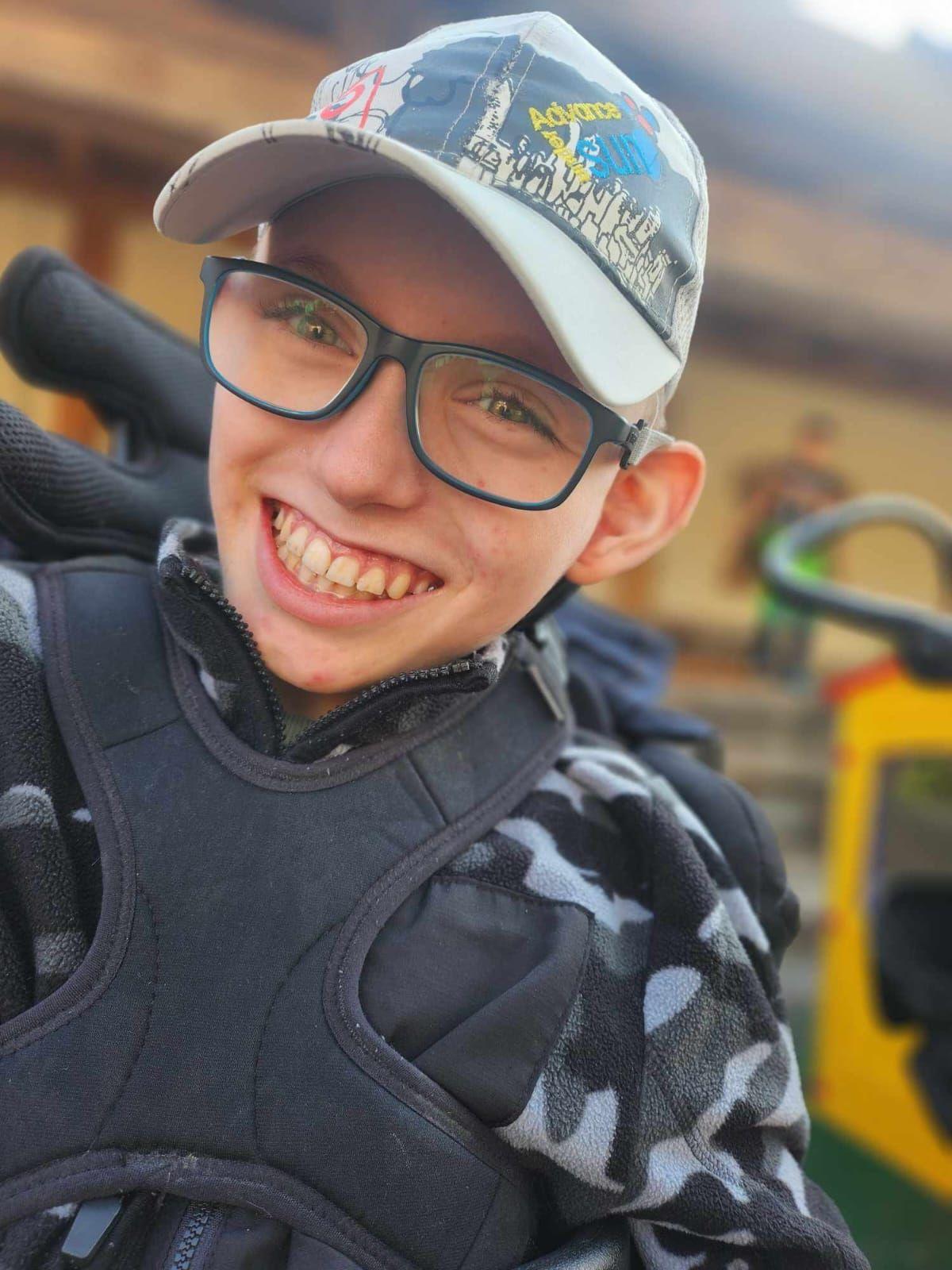
Rostík
Rostík will celebrate his 8th birthday in October. He was born with a rare condition – a vascular malformation of the brain. Right after birth, he had to undergo life-threatening surgery. Unfortunately, post-surgical complications followed, and his family gradually learned of additional diagnoses: epilepsy, an eye condition (astigmatism), central muscle hypotonia, and later, severe mental retardation (TMR). His first hospitalization lasted an incredible 5.5 months.
Rostík undergoes intensive daily therapy to learn how to control and use his body. Recently, however, he has been struggling with more frequent epileptic seizures, which have led to multiple hospitalizations. Despite these challenges, his parents strongly believe that the best "medicine" for Rostík is exercise. Thanks to regular therapy, he has already learned to lift himself into a tilted sitting position and, with assistance, can get on his knees or even stand. With support, he can even take a few steps! This is an incredible achievement, especially considering that at one year old, he couldn't even lift his head off the ground.
His parents dedicate all their energy and effort to his therapy so that he can continue to make progress.
How will the Advent runners help Rostík?
Rostík will be able to go to a monthly neurorehabilitation stay, which will always move him a few steps forward.
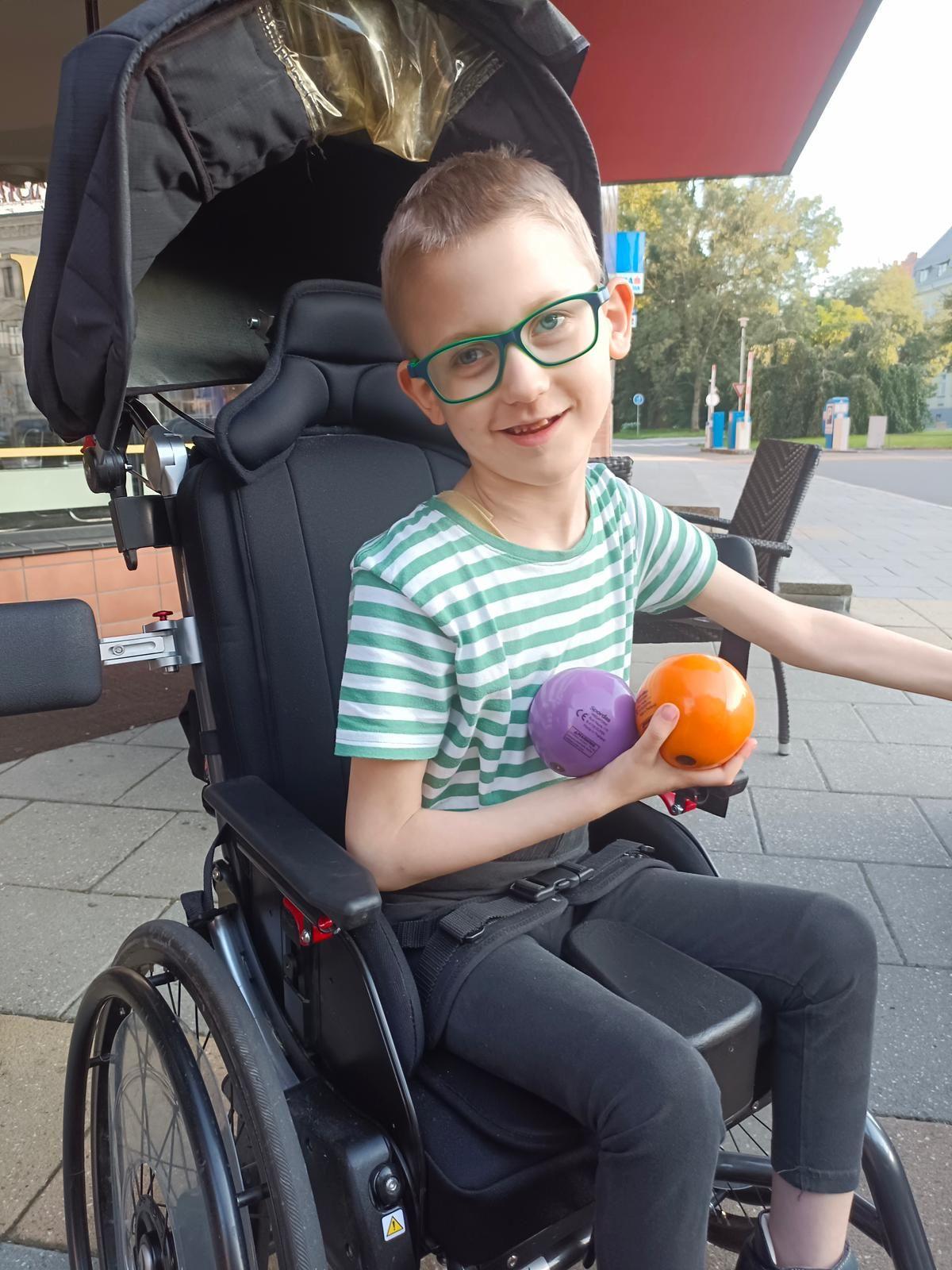
Teodorek
Teodorek was a healthy child until the age of one and a half, until the day he received the meningococcal vaccination. Unfortunately, no one knew that Teo likely had a rotavirus infection in his body as well. Teo had been an active, walking, always-smiling child. The next day, he started having digestive issues and by the evening (March 22, 2024), he had a fever over 41°C. After a phone consultation, his parents took him to the hospital in Plzeň, where Teo was admitted to the ICU. He then experienced consciousness disturbances, sepsis, liver and kidney failure, and brain damage.
On March 24, 2024, Teo was transferred to Motol Hospital’s ICU, where he fought for his life for several weeks. Doctors diagnosed him with acute necrotizing encephalopathy. After three weeks in ICU, with dialysis and mechanical ventilation, Teo won his fight for life and was moved to the general ICU. His lungs, kidneys, and liver recovered quickly, but his brain remained damaged.
While in Motol, we began intensive Vojta therapy, occupational therapy, and speech therapy. Teo was fed through a tube for a long time, and later a PEG was inserted into his stomach.
Teo’s current condition is such that he cannot turn over, sit up, hold his head, stand, grip anything, or speak. He is mostly fed through the PEG. He also has high blood pressure and takes many medications. No one knows how far Teodorek will progress, but he keeps trying, and so do his parents.
How will Advent runners help Teodorek?
For Teodor, exercise and regular stretching is a necessity, otherwise he would suffer from pain. Thanks to the Advent runners, it will have annual intensive exercises secured.
Tinka
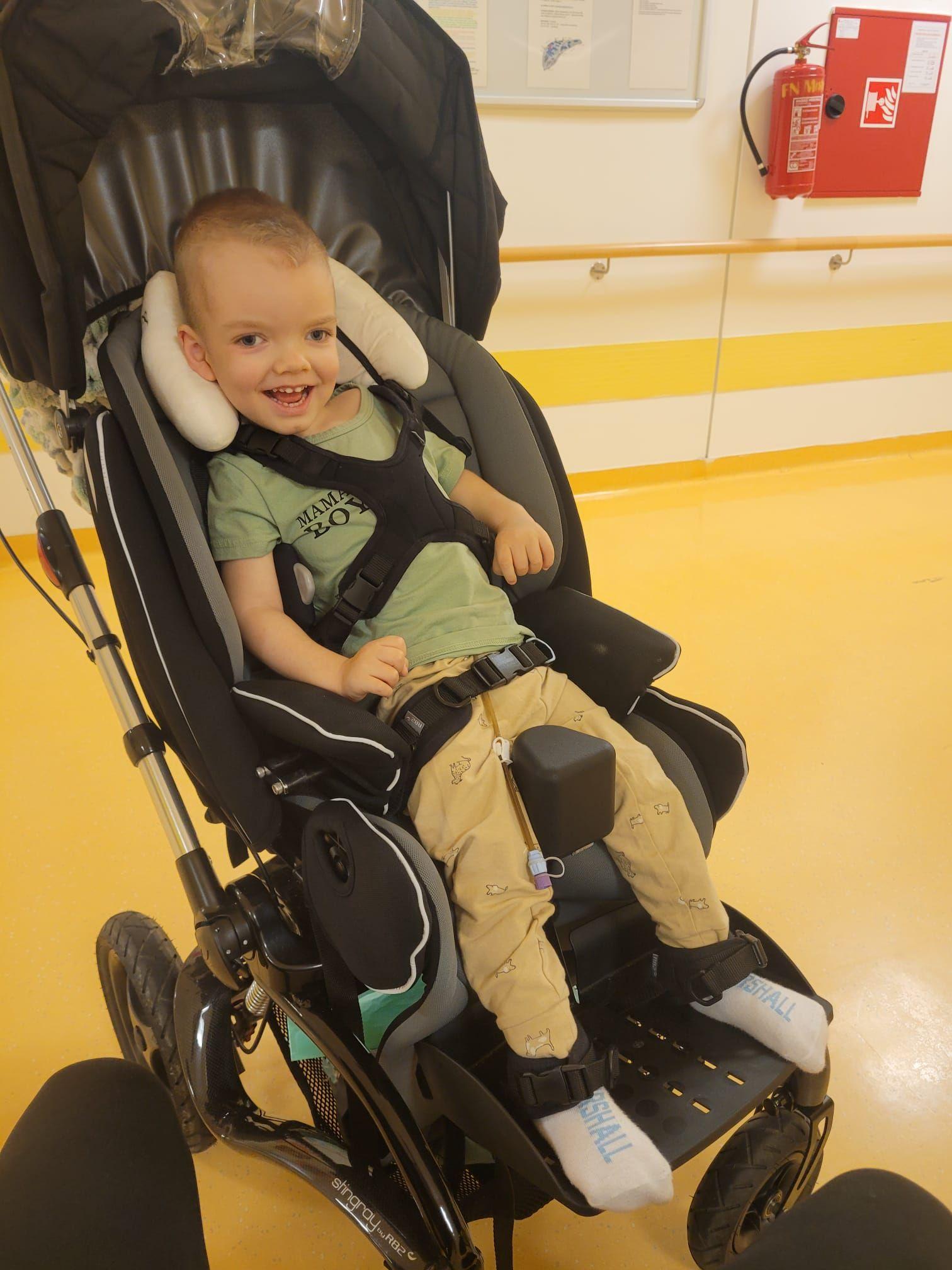
Tinka from Štramberk was born in 2015 with a condition called arthrogryposis multiplex congenita (arthrogryposis). She has affected ankles, hips, and shoulders. Treatment involves several surgeries. At three months old, she underwent tenotomy of her feet, and in the following years, she had surgery for right hip dislocation, McKay procedures on both feet, re-surgery on her right hip, tenectomy of her left foot, and surgery on her right foot. She took her first steps in March 2018.
In January 2025, Tinka is scheduled for another major surgery on her right hip and pelvis. After each surgery, her legs are in a cast for at least six weeks. At night, she wears splints, and every morning, she stretches her Achilles tendons to be able to walk. She practices Vojta therapy daily, strengthens her muscles, and attends rehabilitation sessions.
Due to her twisted shoulders, she has a different grip and cannot dress herself completely independently. She can walk short distances, but for longer distances, she uses a wheelchair. Despite all the challenges, Tinka is very popular among her peers, and her biggest support is her older sister Anetka and her parents.
How will Advent runners help Tinka?
The most important things for Tinka are the therapies, especially those at the spa, where Tinka is taught to walk and stretch her limbs properly. We will also help her by purchasing an electric drive for her wheelchair so that Tinka can go on longer walks with the whole family.
Emma
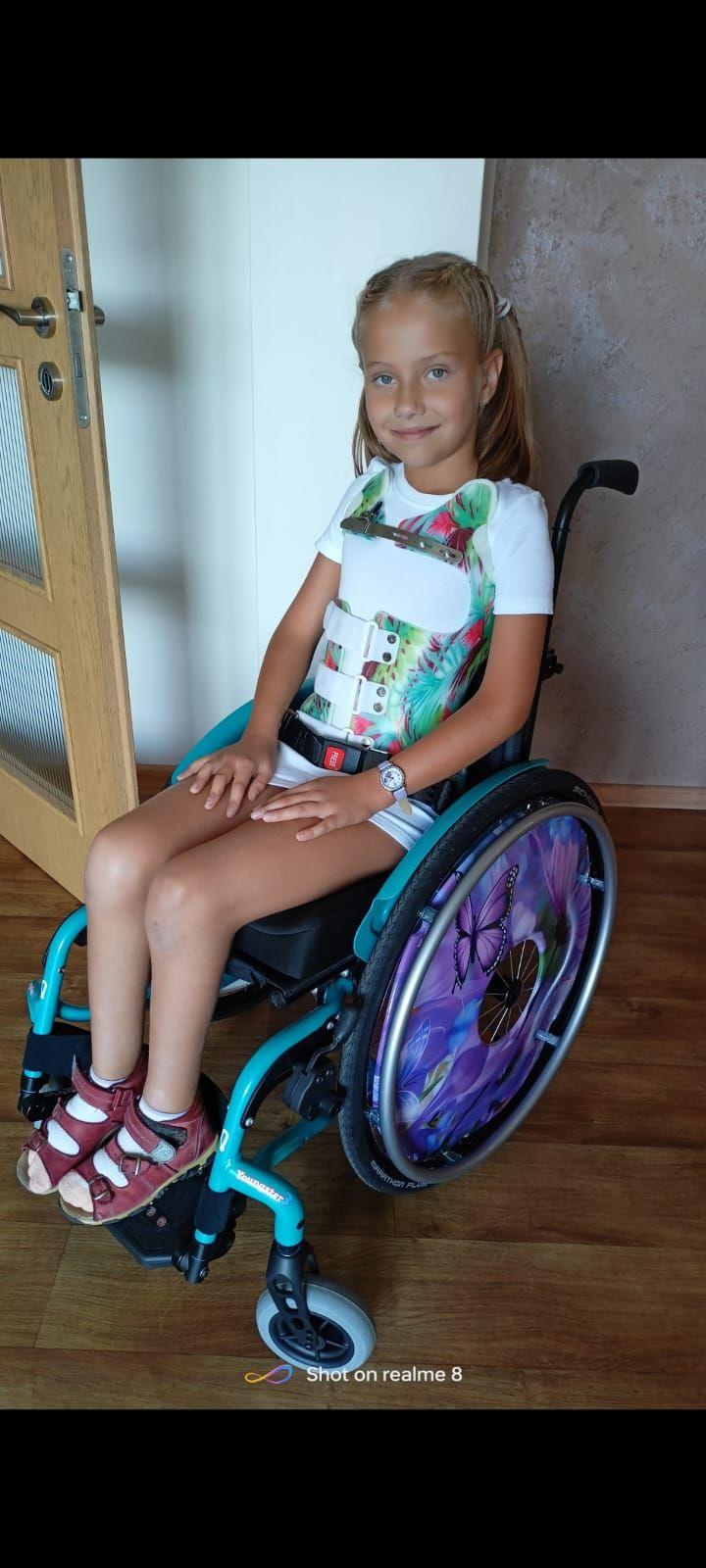
Emmička is a 9-year-old girl who began experiencing walking difficulties four years ago. She has an autoimmune disease called demyelinating polyneuropathy, a disorder that affects the nerves, causing muscle weakness and the loss of tendon reflexes.
Currently, Emmička is about a month post-surgery on her leg and is undergoing rehabilitation at Motol Hospital. Doctors cannot predict how the disease will progress or what results the surgery will bring. At the moment, Emmička relies entirely on her mother’s help in a home that is not wheelchair accessible. Her mother is a single parent, working as a nurse at Motol University Hospital.
It’s still unclear what all Emmička will need in the future, but she feels wonderful in the water, and the exercises with her “aunties” (therapists) are also very beneficial for her.
How will Advent runners help Emmička?
We will get accessories for Emma's wheelchair, which is very important to her, she can only walk very short distances and gets tired quickly. The whole family likes to go on trips, to the zoo, to the cinema, etc. And also intensive rehabilitation, which is a necessity, without them, Emma's condition could worsen greatly and she could stop walking completely.
Amálie
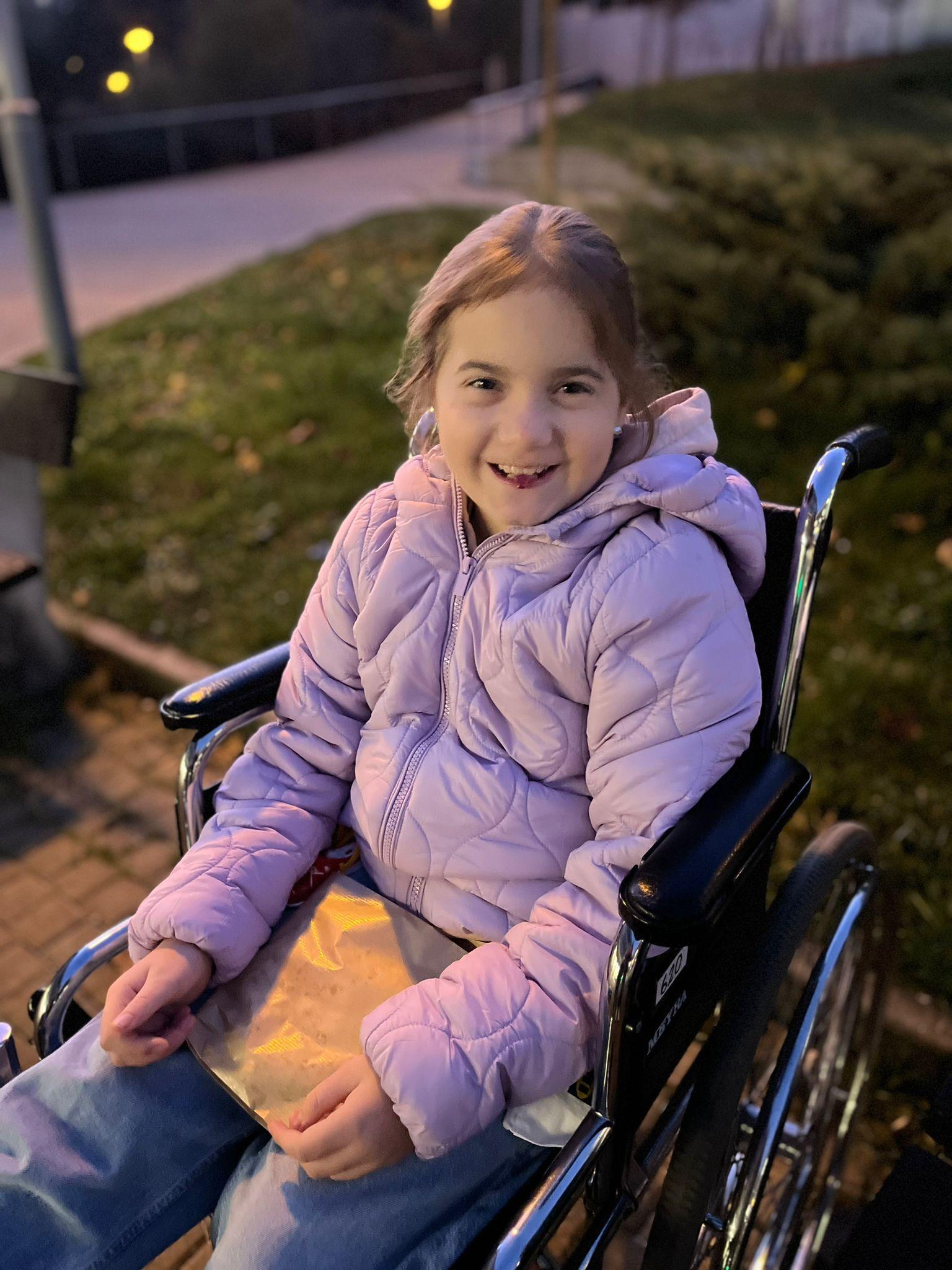
Amálka is an eight-year-old girl who was born in the 26th week of pregnancy, weighing only 800 grams. She survived three severe infections, one of which caused brain damage. She has cerebral palsy, hydrocephalus, a shunt (to drain cerebrospinal fluid), and central quadriparesis. She relies entirely on a wheelchair for mobility.
As a high-risk newborn, she underwent eye surgery due to blood vessels pressing on her retinas, which threatened her vision. Although the laser surgery cost her peripheral vision, she can see and wears glasses. She has already undergone several surgeries related to the shunt — the most recent one was this April.
Recently, she has also been dealing with early-onset puberty and shortened Achilles tendons, and another surgery is being planned.
Despite everything, Amálka is a true fighter. Her family invests everything they can into regular rehabilitation sessions, which are essential for maintaining her condition and improving her quality of life.

Nicolas
Nicolas was born in November 2018. At just seven months old, doctors diagnosed him with a brain tumor that affected the area of the optic nerves. After the first surgery, during which the tumor was partially removed, Nicolas unfortunately lost his vision. The hormonal part of the brain was also impacted, so he now requires multiple daily doses of medication – for hormones, epilepsy, growth, and blood thinning.
Over the years, he has undergone several more complex surgeries, including the insertion of a port and a system to drain cerebrospinal fluid. At the end of 2022, the tumor began to grow again, leading to a new round of treatment that lasted until June 2024. Sadly, the most recent MRI once again showed tumor progression.
Due to his health condition and blindness, Nicolas experiences developmental delays. To support his progress, he regularly attends physiotherapy, occupational therapy, and hippotherapy. Several times a year, he also participates in intensive rehabilitation programs at specialized clinics – both in Prague and Slovakia.
Ella
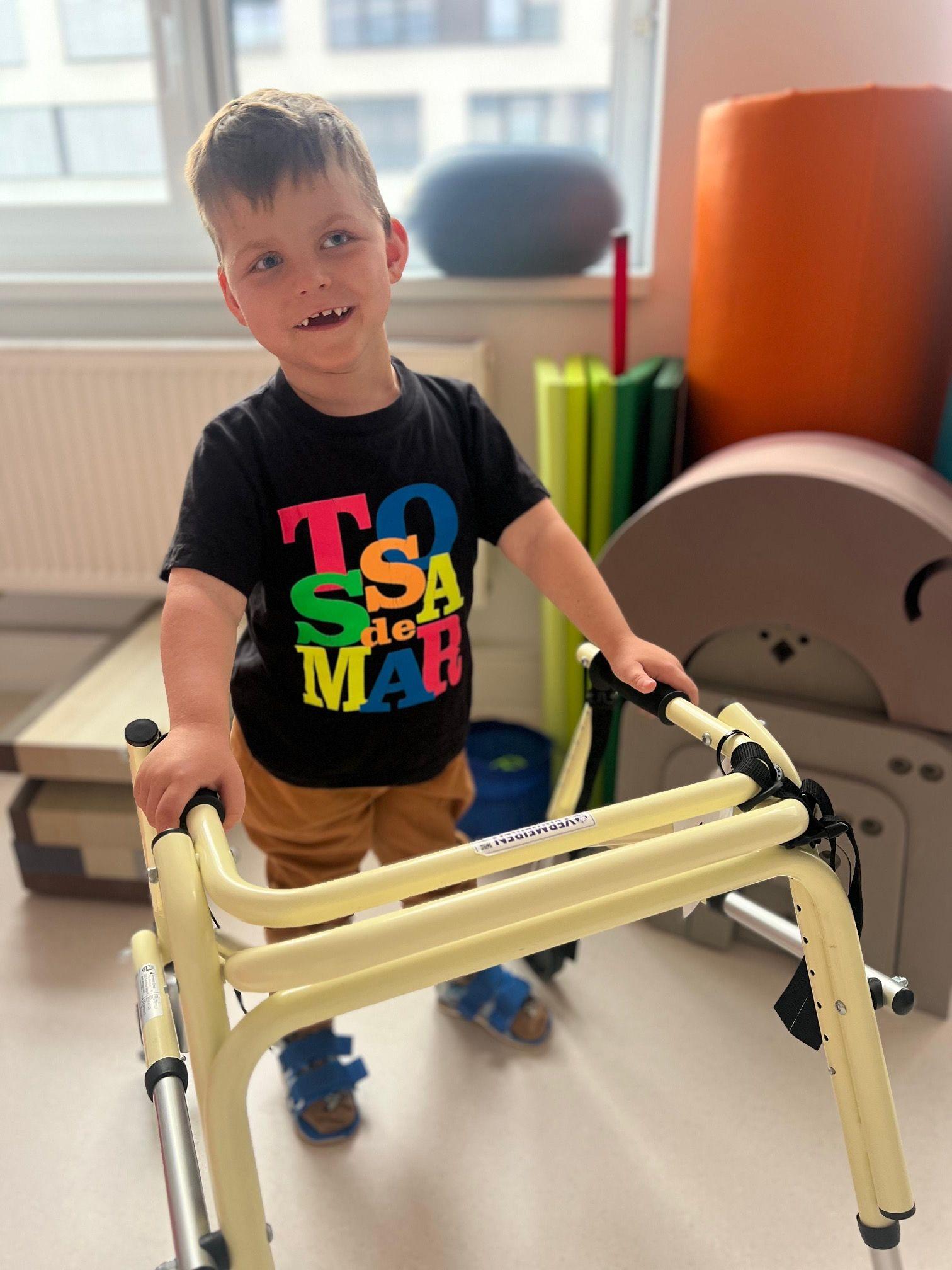
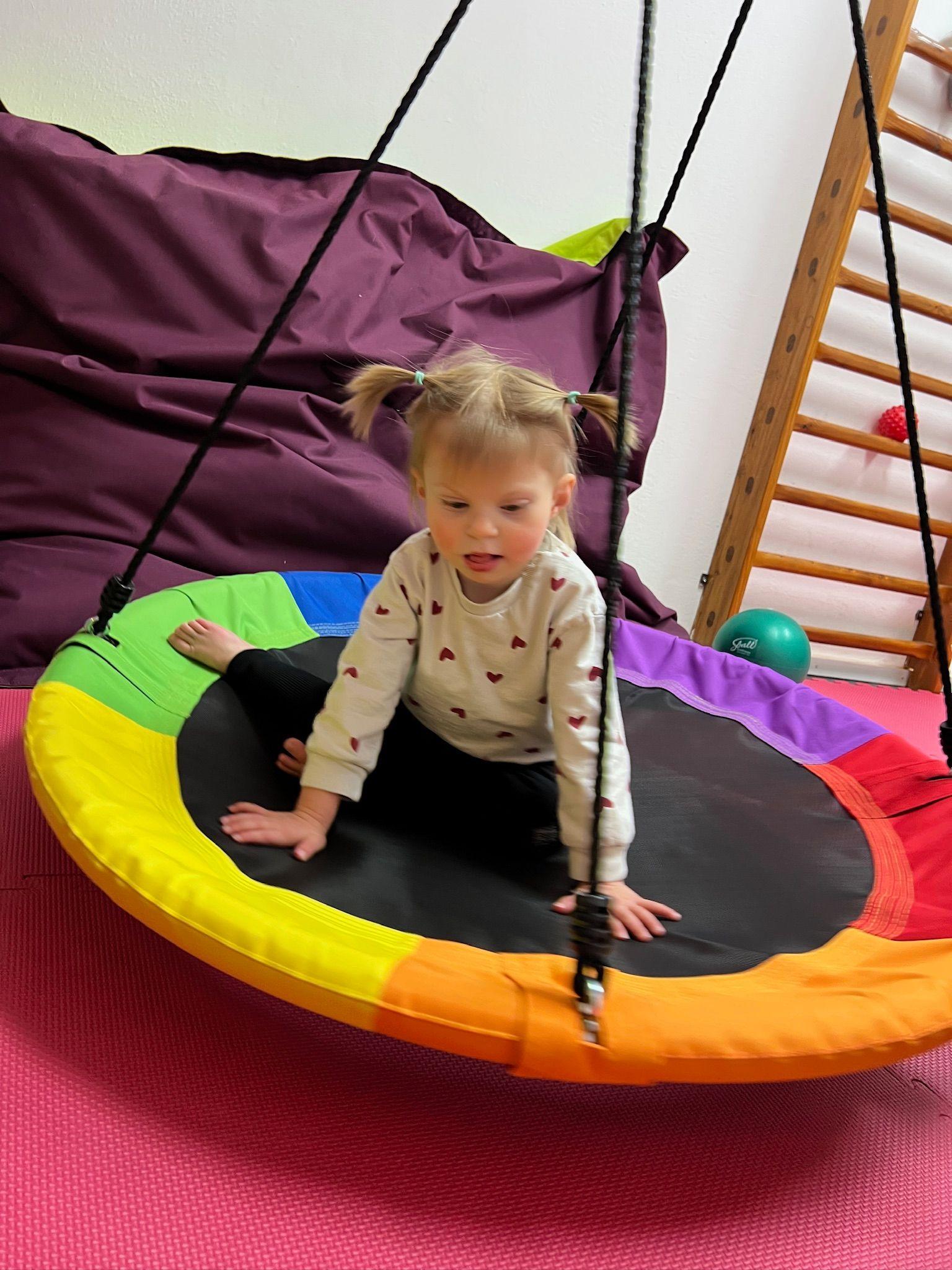
Elli is a three-year-old girl who was born a healthy baby. But it soon became clear that her development was not following the typical path. After more than a year of searching for answers, Elli was diagnosed with a rare genetic condition – Arboleda-Tham syndrome – which affects both her mental and physical development. In September 2024, she was also diagnosed with CVI, a visual impairment that makes it difficult for her to process visual information.
Despite all the challenges, Elli is a joyful, perceptive little girl who loves to explore the world at her own pace. Communication is still difficult for her, and she often retreats into her own world, but every new look, smile, or response is a huge source of joy for her family. A major milestone came in autumn 2023, when she started crawling – her very first way to move around independently.
Elli regularly attends neurorehabilitation, speech therapy, occupational therapy, music therapy, hippotherapy, and other sensory therapies. She responds really well to them and makes significant progress, especially in her motor skills. In autumn 2023, she completed her first full four-week intensive rehabilitation program – which played a key role in helping her learn to crawl.
Valérie
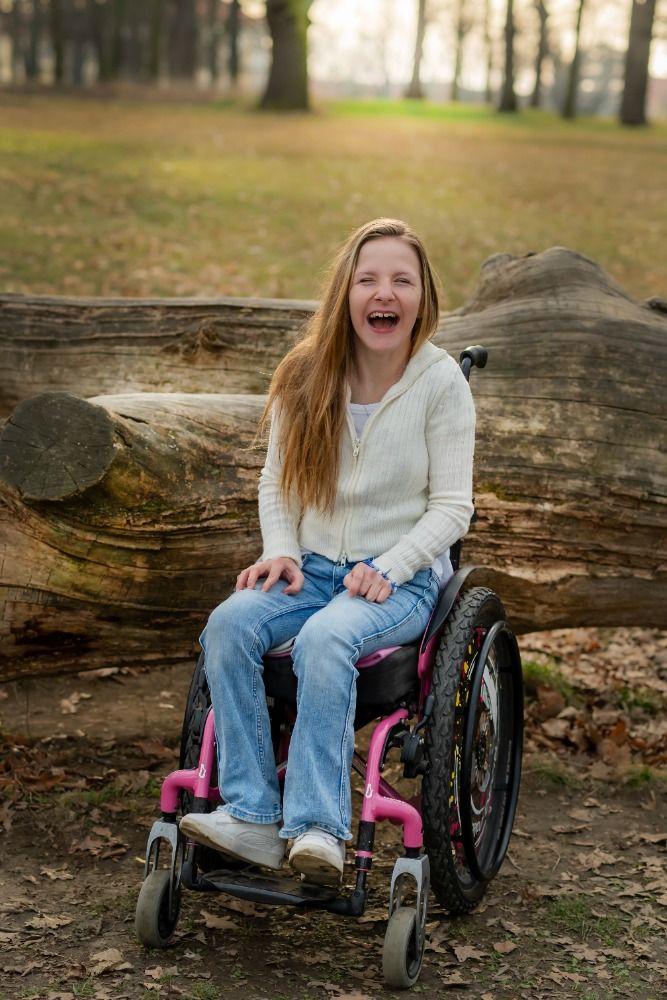
Valinka is a beautiful and incredibly brave 14-year-old girl who was born prematurely in the 32nd week of pregnancy, weighing just 1400 grams. She was later diagnosed with cerebral palsy (CP) and moderate intellectual disability.
Her family regularly takes her to spa treatments and works hard to raise funds for special therapies and equipment that are essential for making her everyday life a bit easier. Valinka attends a special needs school, which she absolutely loves. She mainly uses a wheelchair – at home she crawls like a toddler, and if possible, she can take a few steps with a walker or holding hands. As she grows, the physical demands of caring for her increase every year.
Valinka adores horses and goes to hippotherapy twice a week. She also enjoys swimming and attends regular rehabilitation sessions. Her family loves sports and often takes part in special races for children with disabilities – always with joy and enthusiasm. Valinka is a ray of sunshine, always smiling and happiest when surrounded by kind people. Everyone who meets her falls in love with her.
Barborka
Barborka is 11 years old and was born in the 38th week of pregnancy as the twin sister of her brother Daniel, following an uncomplicated pregnancy. At two months of age, she had to undergo a complex surgery for a congenital heart defect, which doctors diagnosed three days after her birth. During the operation, a brain hemorrhage occurred, which led to problems with her motor system.
Barborka undergoes rehabilitation every day. Thanks to this, she is now able to move by hopping and can lift herself into a high kneeling position; however, her body still does not allow her to stand on her own feet.
Despite this, Barborka is a very lively girl who enjoys playing with her peers. She loves riding a tricycle, going on trips, and attending various activities, but she always needs a manual wheelchair and the assistance of another person.
How did Advenťák runners help Barborka?
Advenťák runners provided Barborka with a year-long rehabilitation program at the “Krásná rehabilitace” rehabilitation center in Klimkovice. These therapies are very important for her, as she continues working towards standing on her own feet and becoming at least partially independent.

Eleanorka
Eleonorka is 2.5 years old. In April 2022, she was diagnosed with a rare, genetic, incurable disease called SMA (spinal muscular atrophy). It causes progressive muscle weakness and loss of mobility. The condition was discovered by pure chance when her mother decided to have two additional serious conditions tested as part of the newborn screening, which is routinely performed on newborns in maternity hospitals.
Eleonorka moves by crawling or uses a wheelchair. Her parents devote all their time and energy to neurorehabilitation so that she has a chance to live a full life despite her diagnosis. She exercises and works hard every day. Every bit of progress comes with enormous effort, streams of tears, and pools of sweat. For some time now, she has been attending various rehabilitation therapies and intensive programs across the Czech Republic, including physiotherapy, neurorehabilitation, hippotherapy, swimming, and more. At the same time, she travels to see various specialists and attends medical check-ups in hospitals throughout the country.
How did Advenťák runners help Eleonorka?
Advenťák runners provided Eleonorka with the TheraSuit neurorehabilitation program and other much-needed therapies.

Jáchym
Jáchym turned 10 in June.
He was born with a newly developed genetic defect, so rare that only about 12 children in the world are known to have it — and it doesn’t even have a name yet.
This genetic abnormality (a deletion on the arm of chromosome 6) has caused severe mental and physical disabilities, leaving Jáchym completely dependent on others for all daily activities — he cannot speak or walk and needs 24-hour care, including constant diaper use.
Despite all of this, Jáchym is a very joyful boy who enjoys life to the fullest.
Caring for him is emotionally, physically, and financially demanding, but he gives so much back with his smiles, joy, and small but precious steps forward, which he works on together with his loved ones.
He regularly attends hippotherapy, spends a month every year at a neurorehabilitation program in Klimkovice Sanatorium, and enjoys time outdoors, thanks to a special wheelchair and an adaptive bike. His family supports him in developing both fine and gross motor skills.
Jáchym also has a 13-year-old sister, Ellen, who studies at a grammar school. She loves her brother deeply and helps their mom a lot with his care. Their father doesn’t live with them, as the parents are divorced.
At the moment, the family is facing a housing challenge.
They currently live in a small two-room flat on the second floor of an old building without an elevator. As Jáchym grows and gets heavier (and cannot walk on his own), it has become impossible to manage daily life there. His mother has therefore decided to buy a small ground-floor house from the 1930s on the outskirts of their town.
The house, however, needs a complete renovation and adaptation to suit Jáchym’s care needs — a project that will require a lot of money.
And money is exactly what they don’t have to spare — Jáchym’s mom works part-time (as full-time isn’t possible due to caregiving), she has two growing children, expensive medical equipment, rehabilitation co-payments, and, of course, the rising cost of living.
They truly have a lot on their plate.
Eliška
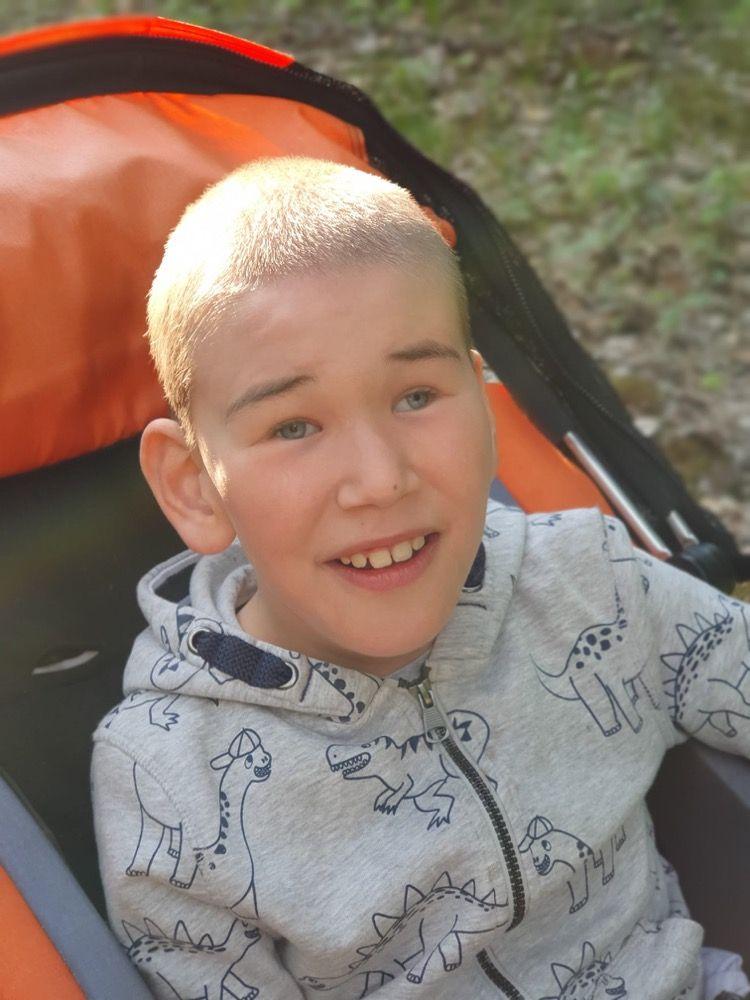
Eliška is a 19-year-old young woman from a small village near Frýdek-Místek. She lives with her parents and her older sister and has been living with epilepsy since she was 15 months old. It hasn’t always been easy, but with the support of her family, she was able to live a full and active life—until the age of 18, when everything changed. From one day to the next, she lost the ability to walk. This happened on January 2, 2022, shortly after she had recovered from COVID-19.
In December 2021, she contracted COVID-19, which had a mild, flu-like course. However, during the illness, she experienced a cramp in her left calf that never fully resolved. She began to limp on her left leg, and the pain, tingling, and cramps kept returning continuously. She also started experiencing back and abdominal pain, walked hunched over, and was unable to straighten up. Gradually, she began to lose her balance and had to rely on walking sticks.
In November, she was hospitalized at St. Anne’s University Hospital in Brno, where she underwent a full set of examinations again and received a final diagnosis: a functional neurological disorder. This led to paralysis of her limbs—her arms are losing function from the elbows down to her fingers, and her legs from the ankles to her feet. She cannot feel the ground beneath her feet and is unable to take a single step without assistance. She cannot dress herself, go to the toilet independently, or manage basic daily activities. She has no balance or stability. For mobility outside her home, she uses a wheelchair, which has become a great help for both her and her family.
How did Advenťák runners help Eliška?
Advenťák runners provided Eliška with rehabilitation at the Arcada Rehabilitation Center in Ostrava-Hrabůvka, which, according to doctors, is the only chance for her to regain independent walking without assistance. They also covered the cost of her physiotherapy.
Pavlík
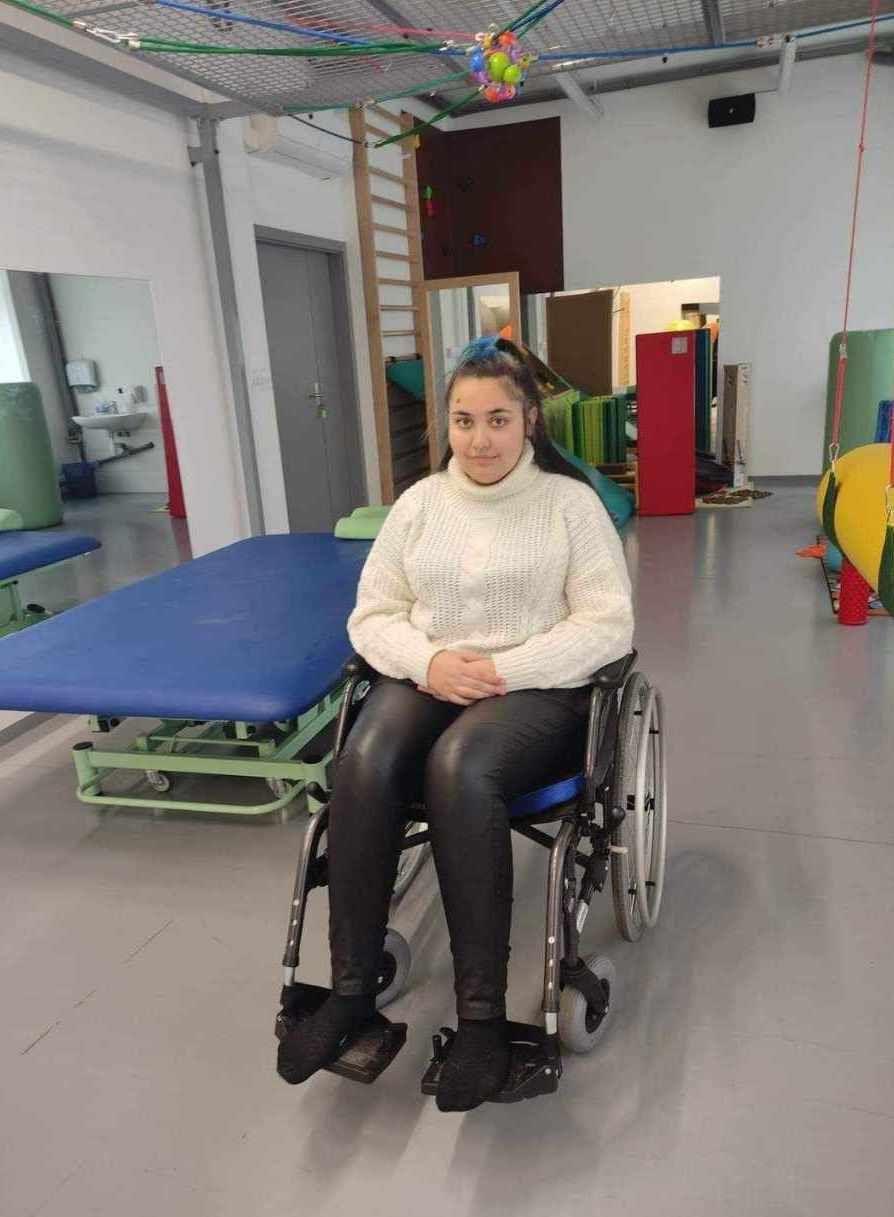
When little Pavlík came into the world four years ago, his start in life was anything but easy. Complications during birth meant he had to spend his first days in intensive care. Since then, both his and his family’s lives have been filled with doctors, therapy sessions, and daily challenges.
Even as a baby, it was clear that Pavlík’s development wasn’t following the usual path. Although doctors initially reassured his parents that everything was fine, they felt deep down that something wasn’t right — and they sought help early. Over time, doctors diagnosed Pavlík with childhood autism, moderate intellectual disability, attention and behavioral disorders, as well as sensory processing and sleep disorders.
Despite all the challenges, Pavlík’s family has built their lives around helping him grow, learn, and find peace in the world around him. Their days are carefully planned to give him every possible opportunity to move forward — to be calmer, happier, and more connected.
Pavlík regularly takes part in occupational therapy, snoezelen therapy, hippotherapy, and other activities that help him progress. He also attends a special school, where he’s doing really well — but the tuition fees are a heavy financial burden for his family.
How did the Advenťák runners help Pavlík?
The Advenťák runners funded Pavlík’s occupational therapy and hippotherapy.

Štěpán
The story of 15-year-old Štěpánek began even before he was born, while he was still in his mother’s womb. Back then, he wasn’t alone — he was sharing that space with two siblings. Early in the pregnancy, doctors decided that one of the fetuses would need to be removed to increase the chances that at least two of the babies would be born completely healthy. Unfortunately, a tragic medical error occurred — the healthy fetus was terminated, and one of the remaining fetuses was injured. And so Štěpánek was born.
At six months old, he had to undergo brain surgery to allow his brain to develop symmetrically. During an MRI scan, doctors diagnosed him with neurological brain damage accompanied by epilepsy, impaired interhemispheric communication, severe hypotonic syndrome, and cerebral palsy.
Štěpánek is fully dependent on the help of others. He communicates with the world around him through a special sign language adapted to his limited motor skills and with the help of a tablet application that uses spoken pictograms. He enjoys ball games and exercising in a special gym designed for his needs.
For the past few years, Štěpánek has lived with his mother and his twin brother Aleš.
How did the Advenťák runners help Štěpán?
The Advenťák runners secured neurorehabilitation for Štěpán at the Pokrok Center.
Viktorka
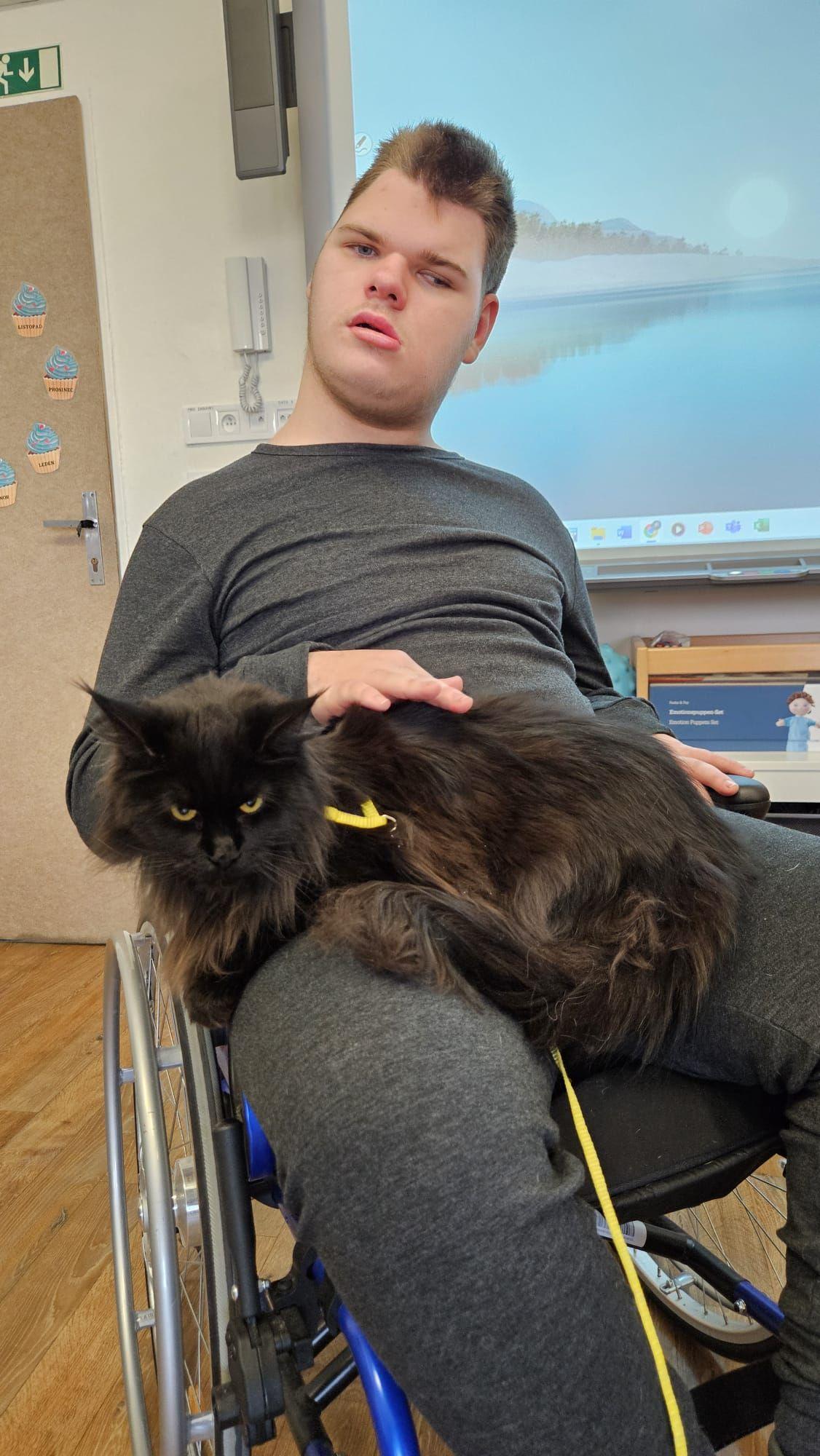
Viktorka is a cheerful seven-year-old girl who came into the world under difficult circumstances — she was born with oxygen deprivation, hypotonia, and a large diastasis. Despite this, she was discharged from the hospital as an apparently healthy newborn. Over time, however, her development began to lag behind. When she was two years old, she finally underwent neurological examinations and her first stay at a rehabilitation spa, where she learned how to walk.
Sadly, as time went on, Viktorka stopped speaking, playing, using her hands, and even eating on her own.
On October 27, 2023, her parents heard the diagnosis for the first time — Rett syndrome. It is a serious neurodevelopmental genetic disorder that causes regression in psychomotor development and comes with many additional complications.
Viktorka cannot eat or dress by herself, she wears diapers, and she struggles to walk — outdoors she always needs support or a stroller. She has severe problems with motor coordination and cannot use her hands, which means she cannot communicate in any way, not even through sign language or picture cards. Despite all these difficulties, her understanding of language and her social contact are gradually improving.
During her stay at the rehabilitation spa, Viktorka was introduced to a special communication program on a tablet that can be controlled with her eyes. She quickly understood how to use this assistive communication device, and her parents would very much like to get one for her. Unfortunately, this device is extremely expensive, and neither the health insurance company nor the local authority agreed to cover the cost.
How did the Advenťák runners help Viktorka?
purchased a Tobii Dynavox communication device for Viktorka.
Lidka
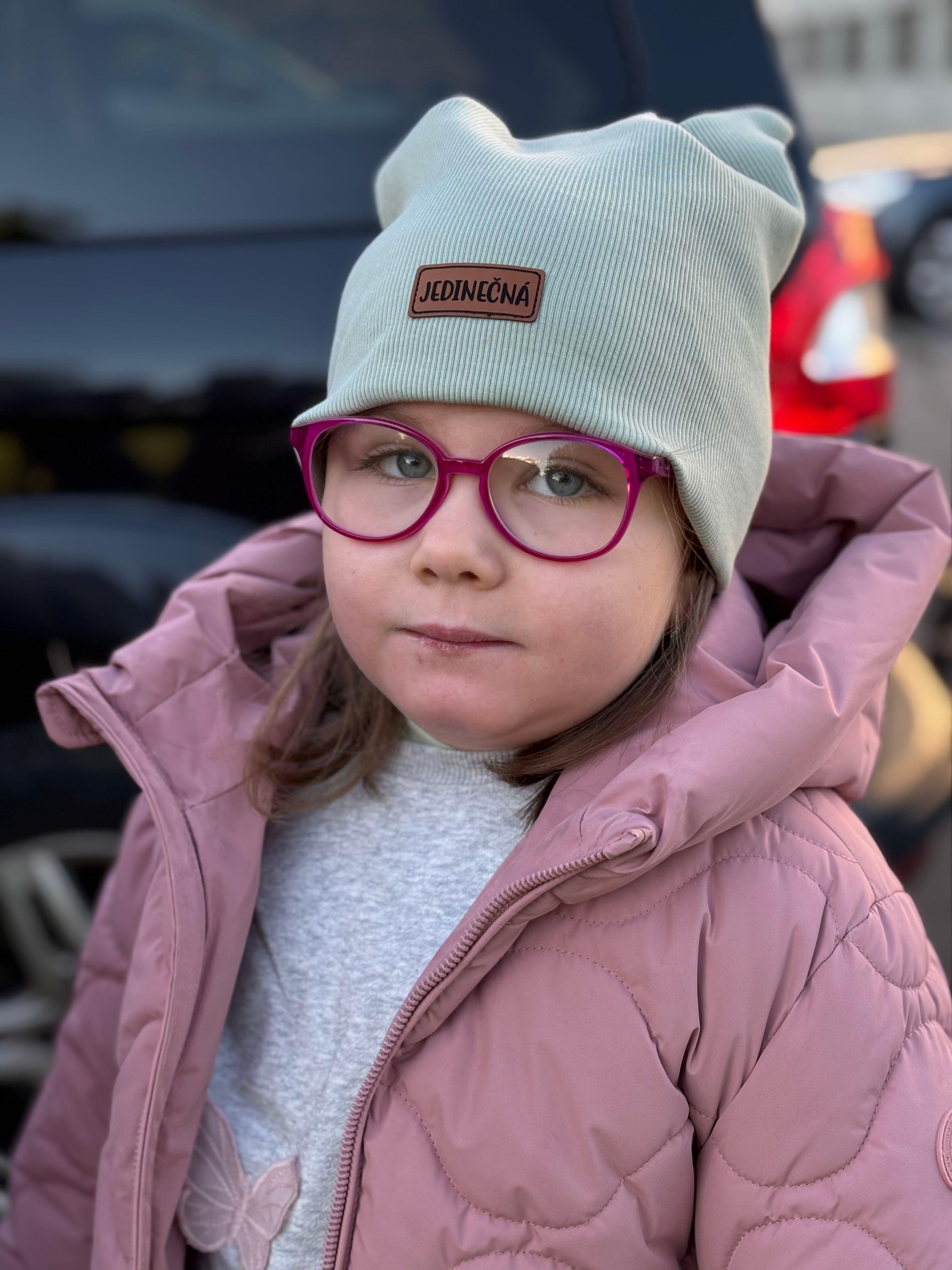
Lidka is a 12-year-old girl who was born healthy. However, during her preschool years, she began experiencing weakness in her legs, balance problems, and severe fatigue. Over time, her condition gradually worsened, and after her eighth birthday, Lidka was diagnosed with a very rare genetic disorder: Gorden-Holmes and Boucher-Neuhauser syndromes. It is a progressive neuromuscular disease that affects both the lower and upper limbs as well as parts of the autonomic muscles. Retinal dystrophy is also sometimes present. Unfortunately, there is no treatment for this condition.
Lidka’s mobility in her legs is gradually decreasing, she is losing muscle mass and strength, and her feet and overall posture are becoming deformed. This spring, she underwent a complex surgery on both legs, which allowed her to walk again with the help of orthoses and crutches.
Further surgeries and casting of her legs are expected in the near future.
Rehabilitation is absolutely essential for Lidka, as it significantly influences the progression of her disease. Unfortunately, intensive rehabilitation is not covered by health insurance.
How did the Advenťák runners help Lidka?
The Advenťák runners secured Reha Motion rehabilitation therapy for Lidka
Mia
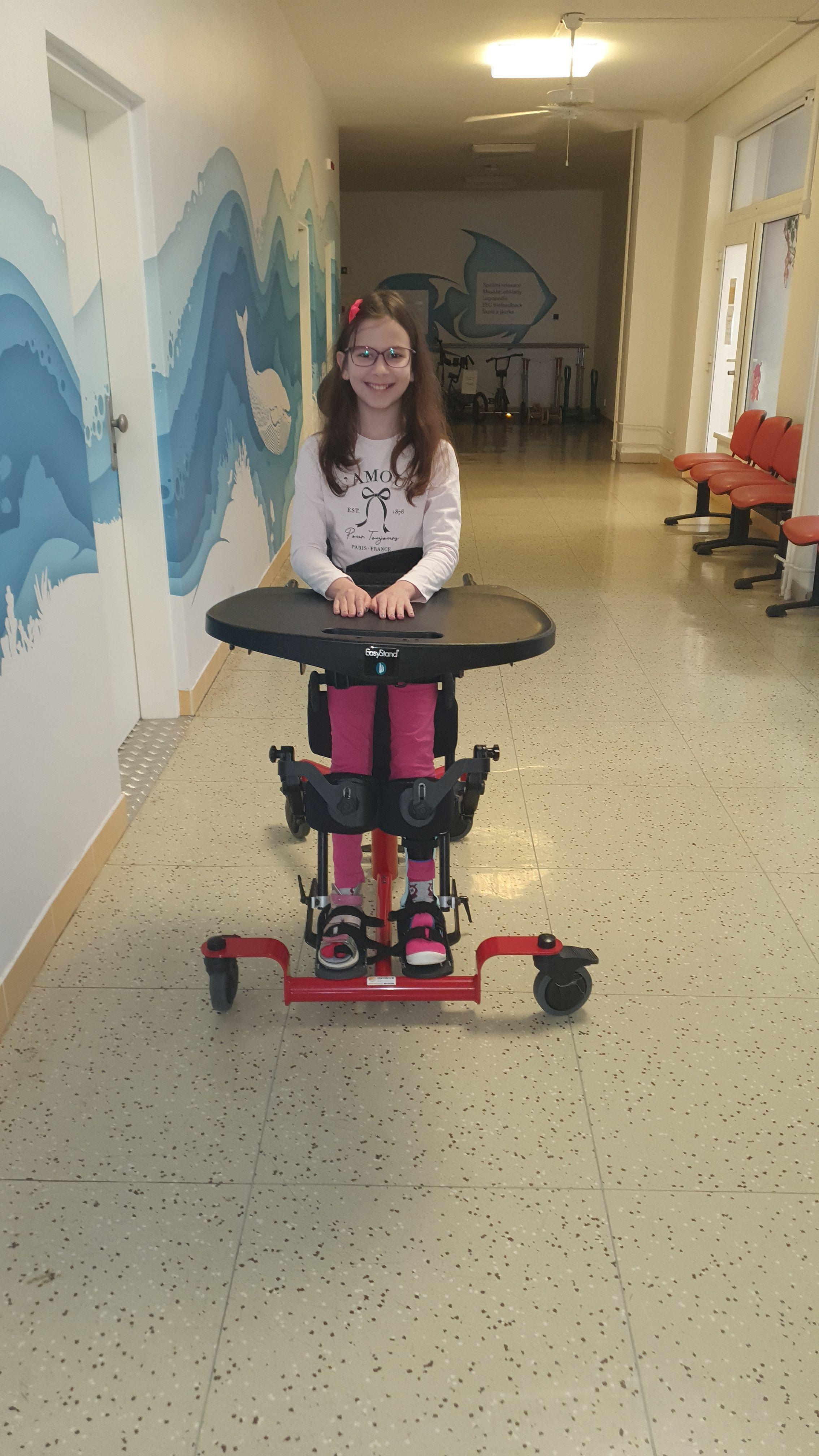
Mia is a 2.5-year-old girl who has already experienced life in four different families and whose brain was damaged during birth due to oxygen deprivation.
This little fighter has severe psychomotor developmental delays and currently functions at the level of a child around nine months old. She receives her nutrition through a tube directly into her stomach via a special pump and often vomits because she has severe reflux. Mia wears glasses with a +6.5 prescription to help her see the world, which fascinates her.
Mia is a very curious little girl who, despite her significant challenges, has learned to sit and crawl, is learning the sounds of animals, and constantly practices her mouth and tongue so that one day she can taste real food prepared in her new family.
Since May, Mia has been living with her new foster mother, who cares for her and also for a 15-year-old girl with atypical autism. Her foster mother exercises with Mia and works to help her eventually walk and run like other children.
How did the Advenťák runners help Mia?
The Advenťák runners provided Mia with a specially adapted stroller and arranged an intensive neurorehabilitation program for her.
Amálka a Natálka
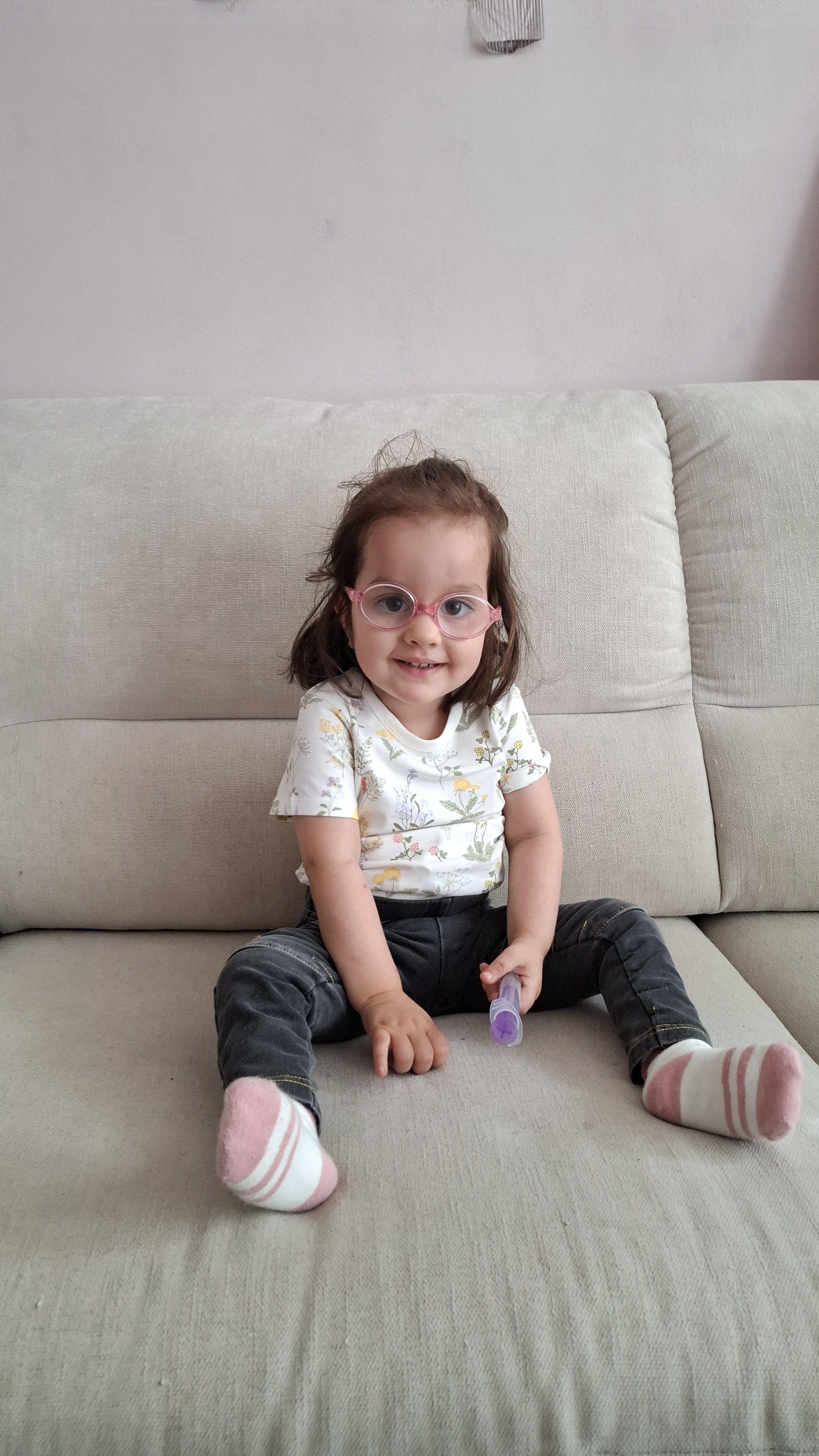
Natálka and Amálka were born prematurely as twins in the 29th week of pregnancy. Both girls have cerebral palsy, which affects their motor skills. Amálka can move partially on all fours, while Natálka is bedridden and suffers from severe spasticity in the muscles and joints of her limbs.
Their parents provide round-the-clock care for the girls. They regularly travel with them from Nejdek to a special school in Cheb, a total of 130 km. The school offers an individualized approach and an environment that supports the development of both girls.
The little girls need regular rehabilitation and complementary therapies, which help relax their muscles, improve posture, and contribute to their overall health. These therapies are financially demanding, and the family currently does not have enough resources, especially due to the costs of medications and special equipment.
In the past year, the situation was further complicated by a longer hospitalization of Amálka due to pneumonia. The father had to stay home with the other children, which resulted in a loss of part of the family’s income.
How did the Advenťák runners help Amálka and Natálka?
The Advenťák runners provided the young girls with intensive rehabilitation.
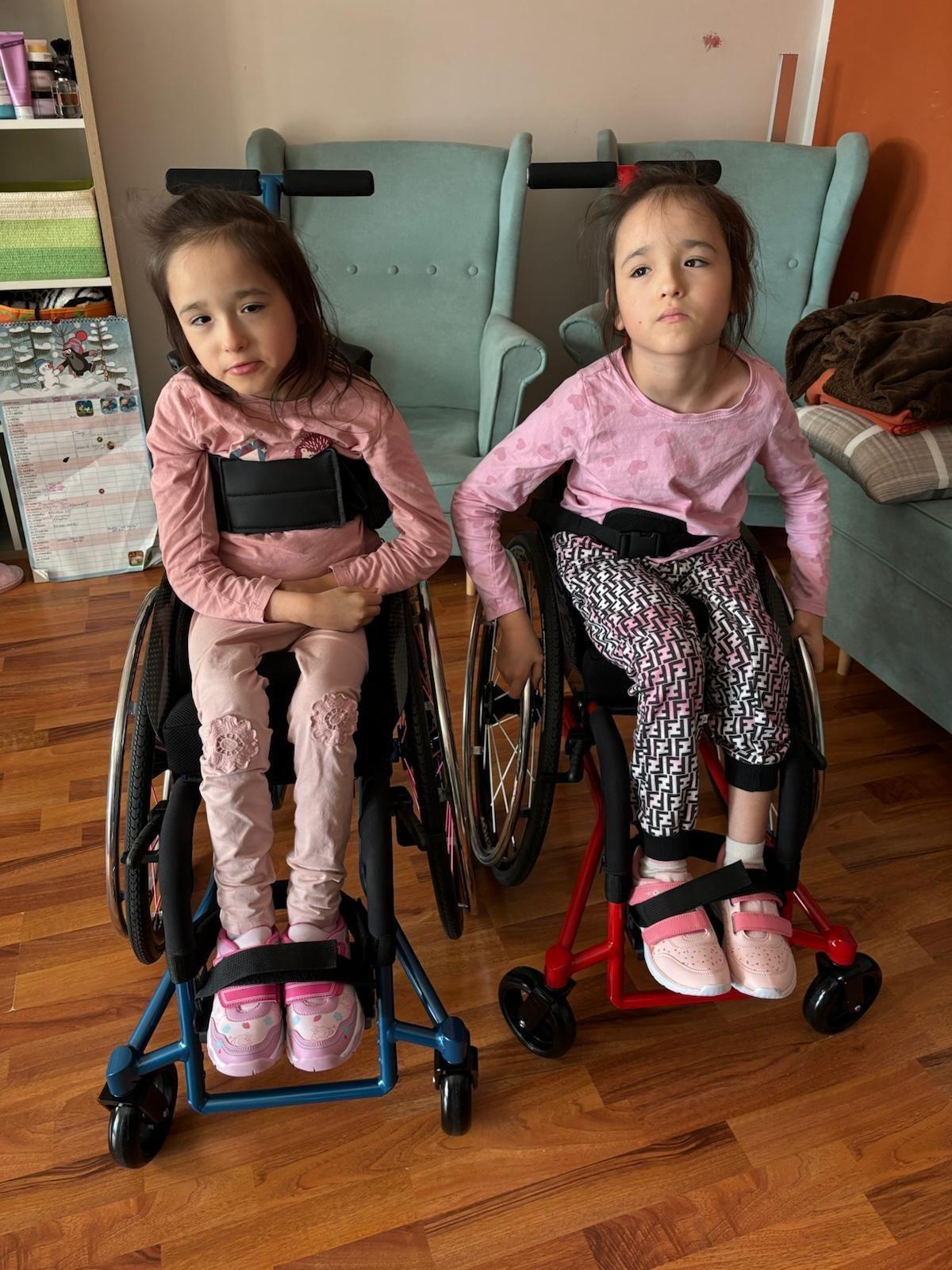
Tomášek
Tomášek was born eleven years ago, and right after birth, he wasn’t breathing. At first, none of the doctors knew what was wrong with him. It wasn’t until fourteen days later that one doctor thought he might have a very rare condition called Congenital Central Hypoventilation Syndrome (CCHS).
CCHS is a congenital disorder of the nervous system in which the brain cannot properly control breathing, especially during sleep. Most patients require mechanical ventilation to prevent suffocation and to be able to breathe.
Unfortunately, this diagnosis was confirmed very quickly in Tomášek’s case. At the beginning of his life, he was unable to breathe either during the night or during the day. Over time, this has improved, and if he isn’t sick or extremely tired, he can now breathe on his own during the day. However, he still needs mechanical ventilation at night.
In addition to CCHS, Tomášek also has severe intellectual disability and atypical autism as a result of a brain hemorrhage he suffered after birth.
How did the Advenťák runners help Tomášek?
The Advenťák Runners provided Tomáš with essential equipment: an oxygen concentrator and a suction device, and also arranged hippotherapy for him.
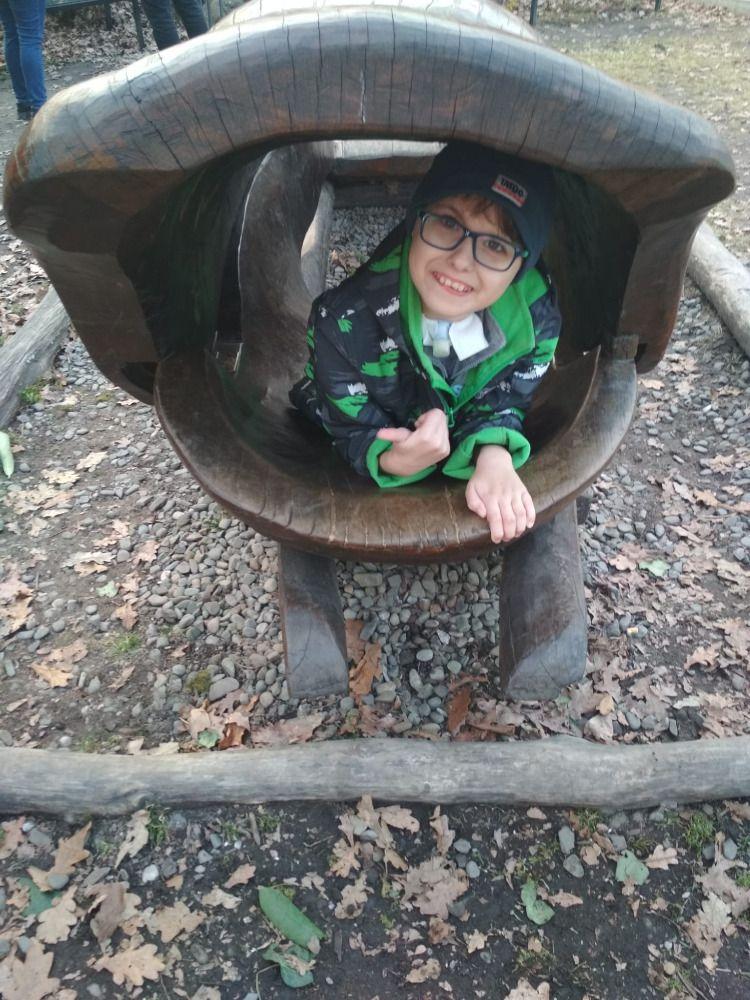
Terezka
Terezka is a beautiful thirteen-year-old girl who, almost three years ago, found herself in a completely different world. The family was just getting ready for a trip to the Beskydy Mountains, and Terezka went – as she always did – to dance in the small gym in the attic of their house. Unfortunately, she fell, and before anyone from the family could reach her to help her breathe again, she was left without oxygen for some time.
Since that accident in the gym, she has been in a vigilant coma – a special state between wakefulness and sleep. This young girl understands everything that happens around her and tries her best to respond, but her body doesn’t fully obey her yet. She is like a princess under a spell.
Every day is a battle. A battle for movement, for words, for contact. Her condition requires 24/7 care. Her mother has become not only her support, but also her nurse, physiotherapist, teacher, driver, and guide. Together, they are searching for a way to help Terezka return to full consciousness.
They are trying everything possible – from conventional medicine and various neurorehabilitation programs in the Czech Republic and Slovakia to alternative approaches such as Chinese medicine, Ayurveda, and craniosacral therapy, as well as healers – anyone who can bring even a spark of hope.
For the family, not only financial support is important, but also the awareness that others believe, too — that we believe Terezka’s condition can improve and that one day she will “wake up.”
How did the Advenťák runners help Terezka?
The Advenťák Runners covered the cost of intensive rehabilitation for Terezka.
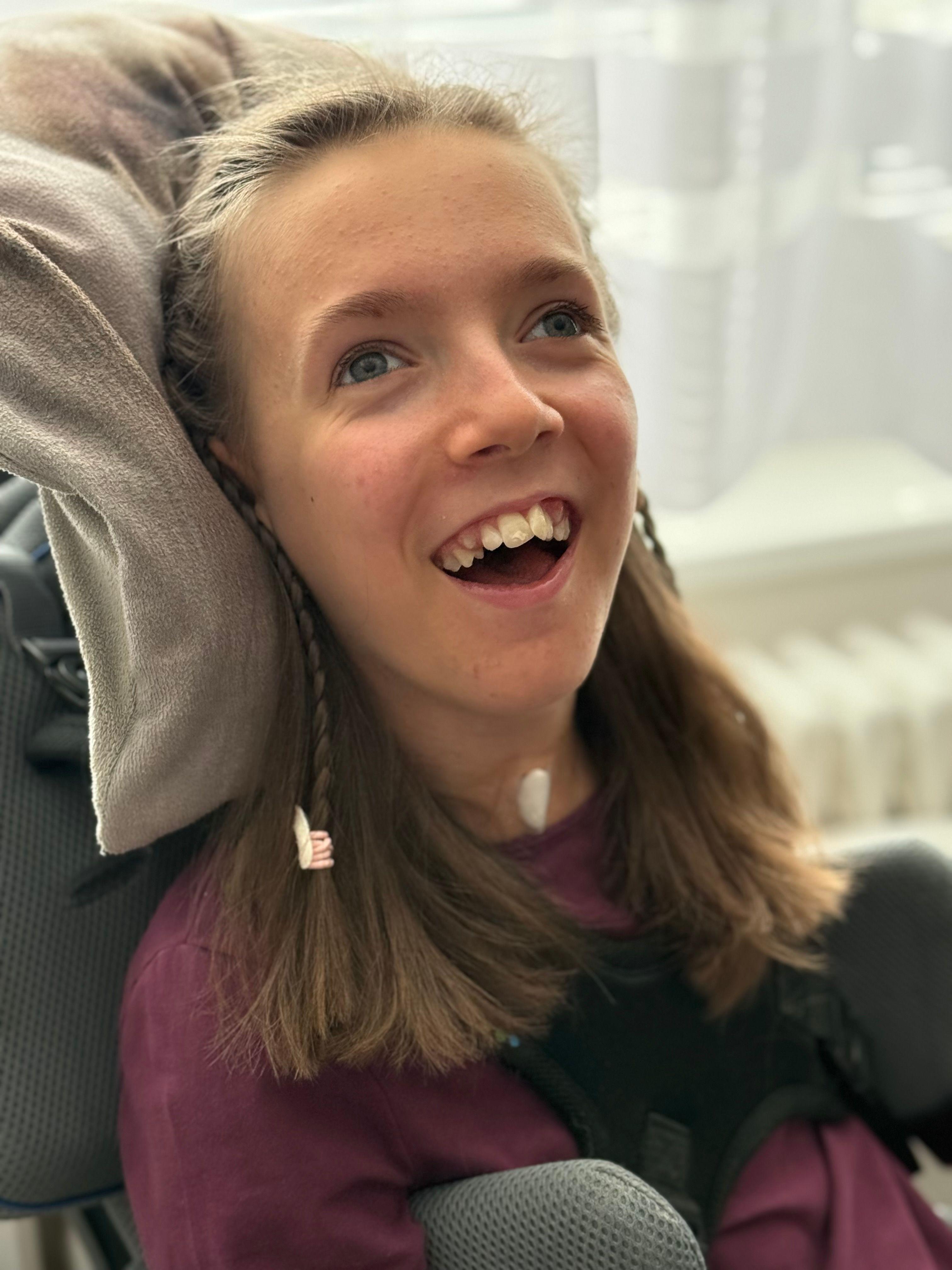
Filip
When Filípek was still in his mommy’s belly, he was a completely healthy baby. Unfortunately, complications occurred during his birth, and he was born showing no signs of life. The doctors managed to revive him, but the consequences of his difficult start in life are something he — and his whole family — carry to this day.
Today, Filípek is a ten-year-old boy diagnosed with perinatal encephalopathy, cerebral palsy, and epilepsy. He cannot walk, sit, or crawl and has a moderate intellectual disability. He relies on a wheelchair and requires 24-hour care.
Filípek loves trains, the metro, and all kinds of travel and trips.
Until recently, his dad carried him everywhere in a baby carrier, but Filípek has now outgrown it.
To make it possible for him to continue going on trips with his family — or even just spend time in the garden of their home in the countryside — he needs a special stroller.
How did the Advenťák runners help Filip?
The Advenťák Runners purchased a JOSI Wismi G2 special stroller for Filip.
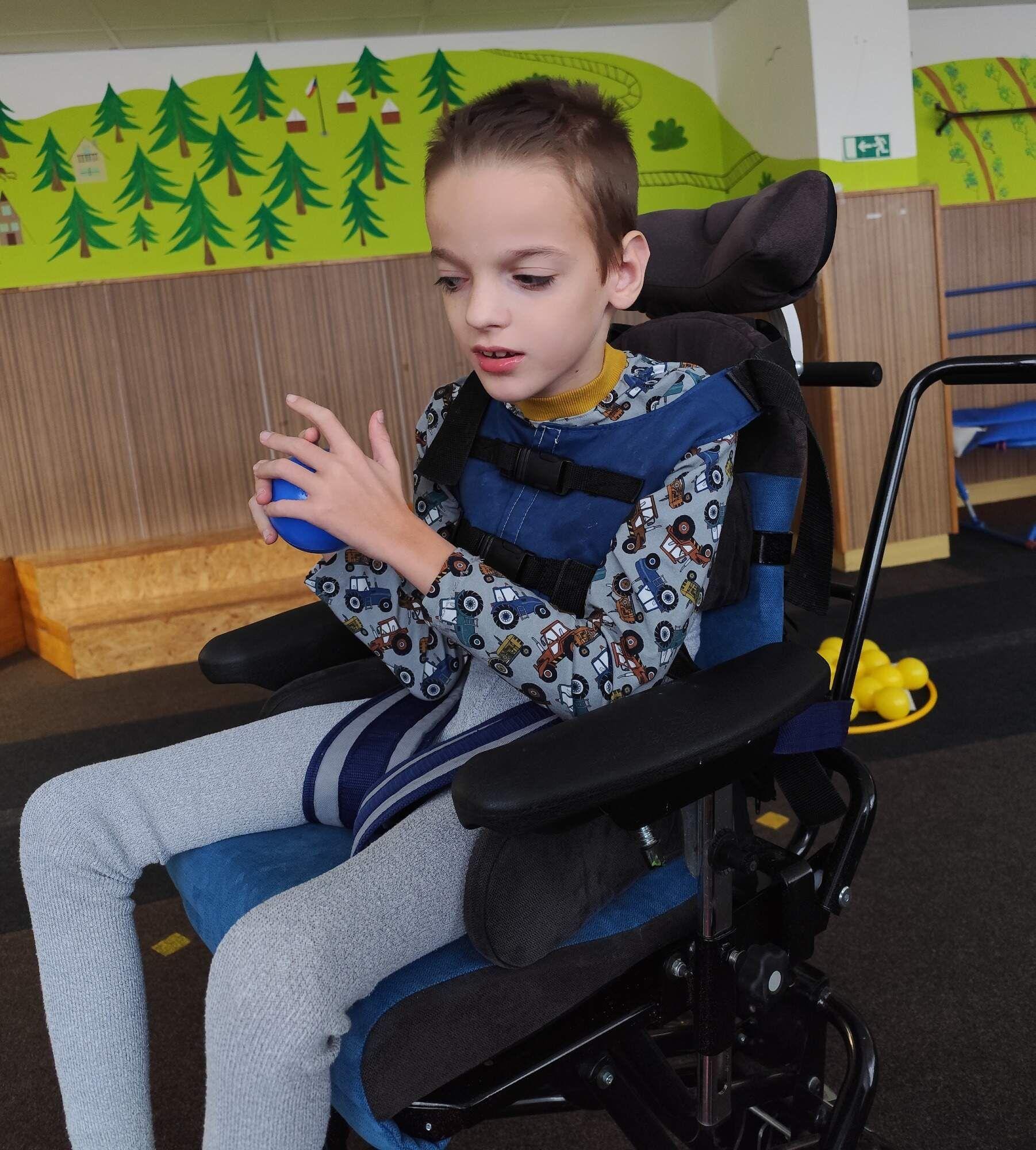
Dalibor
Dalibor is a five-year-old boy who loves swimming – and even competes in it – paraclimbing, and spending time with his best buddy, his three-year-old little brother Vilda. Starting in January, the two boys will attend the same kindergarten.
The only thing Dalibor can’t do as well as Vilda is walk.
Dalda was born as a seemingly healthy baby, but after six months he stopped developing as he should have. And so began a long journey through doctors and therapists.
On his first birthday, doctors identified the cause of his delayed development: spinal muscular atrophy type 2 (SMA type 2).
Within a month of the diagnosis, Dalibor received gene therapy, which allowed his body to start producing the missing protein. Thanks to that, the nerve cells were saved, leading to a stabilization of his muscle strength.
However, during the first year of his life, this insidious disease caused significant and irreversible damage to his small body. Thanks to continuous rehabilitation and the use of special orthoses from the company Pohlig, Danda still has hope that one day he will be able to learn to walk.
How did the Advenťák runners help Dalibor?
The Advenťák Runners provided Dalibor with custom orthotic braces by Pohlig.
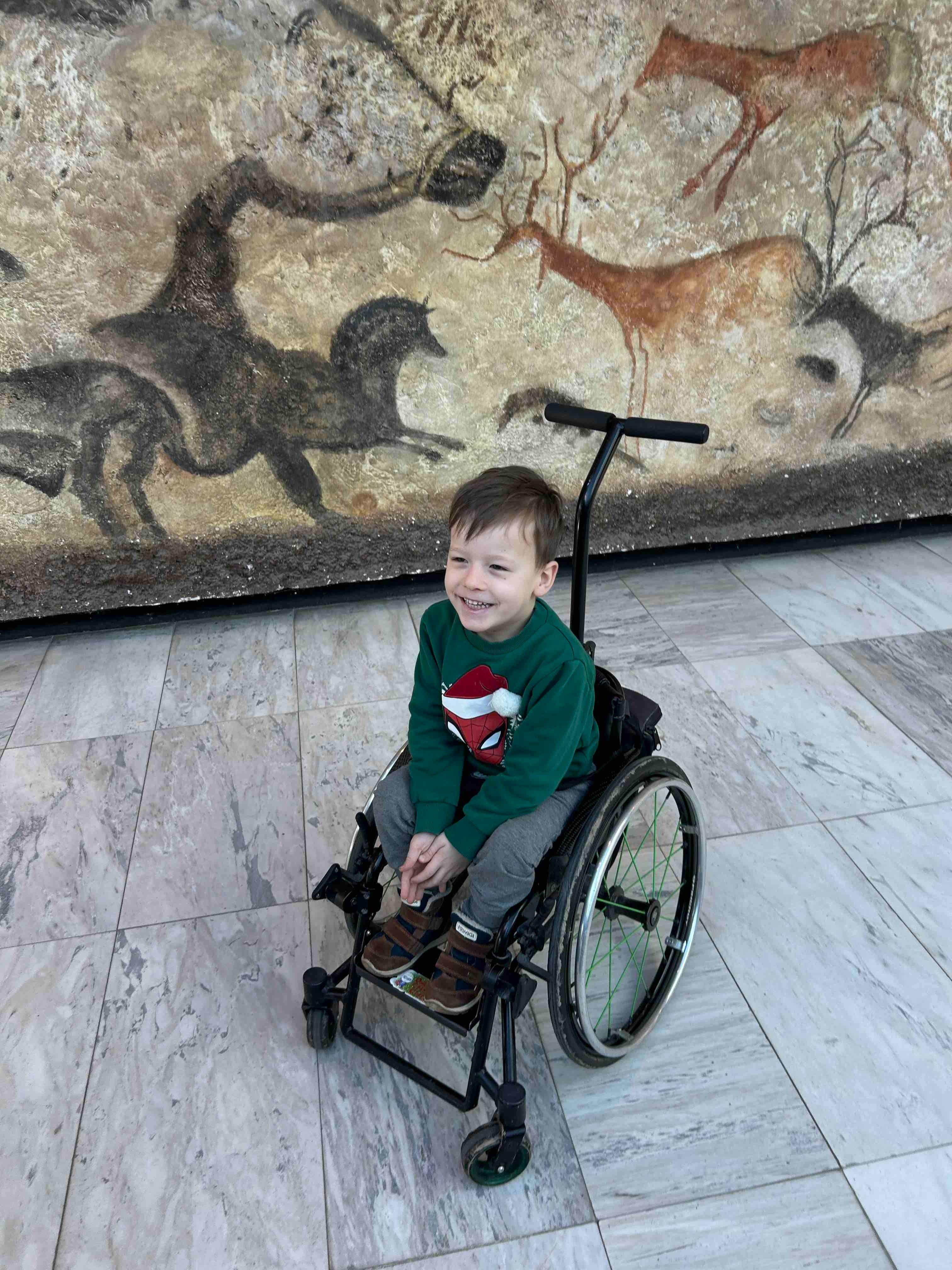
Eliška
Eliška is a young eighteen-year-old girl, a wonderful source of laughter and sunshine for everyone around her. Yet she is imprisoned in her own body. She was born as a long-awaited and miraculous child through IVF, initially completely healthy. In early childhood, she experienced difficulties with movement and proper turning, but these were successfully managed through rehabilitation.
Over time, she was diagnosed with cerebral palsy – spastic diparesis, later progressing to quadriparesis. She also developed scoliosis, breathing difficulties, and rapidly progressing deformities that caused her hands to twist. Eventually, Eliška completely lost the ability to speak.
Her condition affects the central motor neuron and is a complicated form of juvenile spastic hereditary paraplegia with a confirmed pathogenic variant in the ALS2 gene. She also suffers from a sleep disorder. Eliška is the only patient in the Czech Republic with this diagnosis. The course of her illness can be compared to the disease that affected scientist Stephen Hawking.
How did the Advenťák runners help Eliška?
The Advenťák runners provided Eliška with a rehabilitation stay.
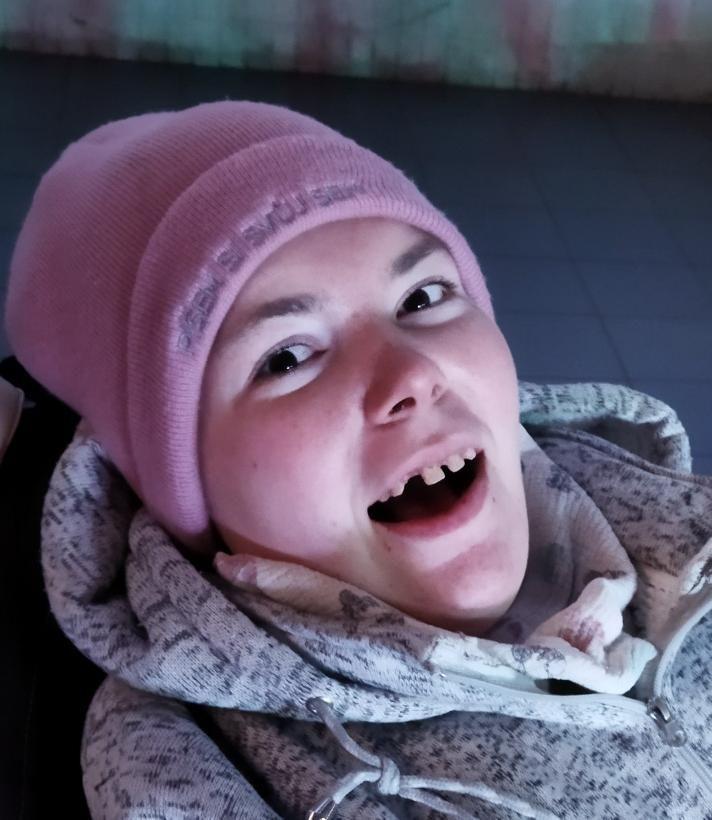
Ella
Ellinka, who recently celebrated her sixth birthday, was born as the second child in her family. At first, everything was developing well, but at four months her mother noticed that she was using her left hand less. At six months, she was diagnosed with cerebral palsy – left-sided hemiparesis.
Ella immediately began rehabilitation. She regularly attends physiotherapy, occupational therapy, speech therapy, and hippotherapy. She started going to spa treatments from the age of 15 months and continues to attend them twice a year, as clear progress is seen at each visit.
Now that Ella is older, the half-hour exercises covered by health insurance are unfortunately no longer sufficient. She needs more intensive rehabilitation sessions lasting at least 60 minutes.
How did the Advenťák runners help Ella?
The Advenťák runners provided Ella with a neurorehabilitation stay at the Klimkovice Spa – Reha Motion program.
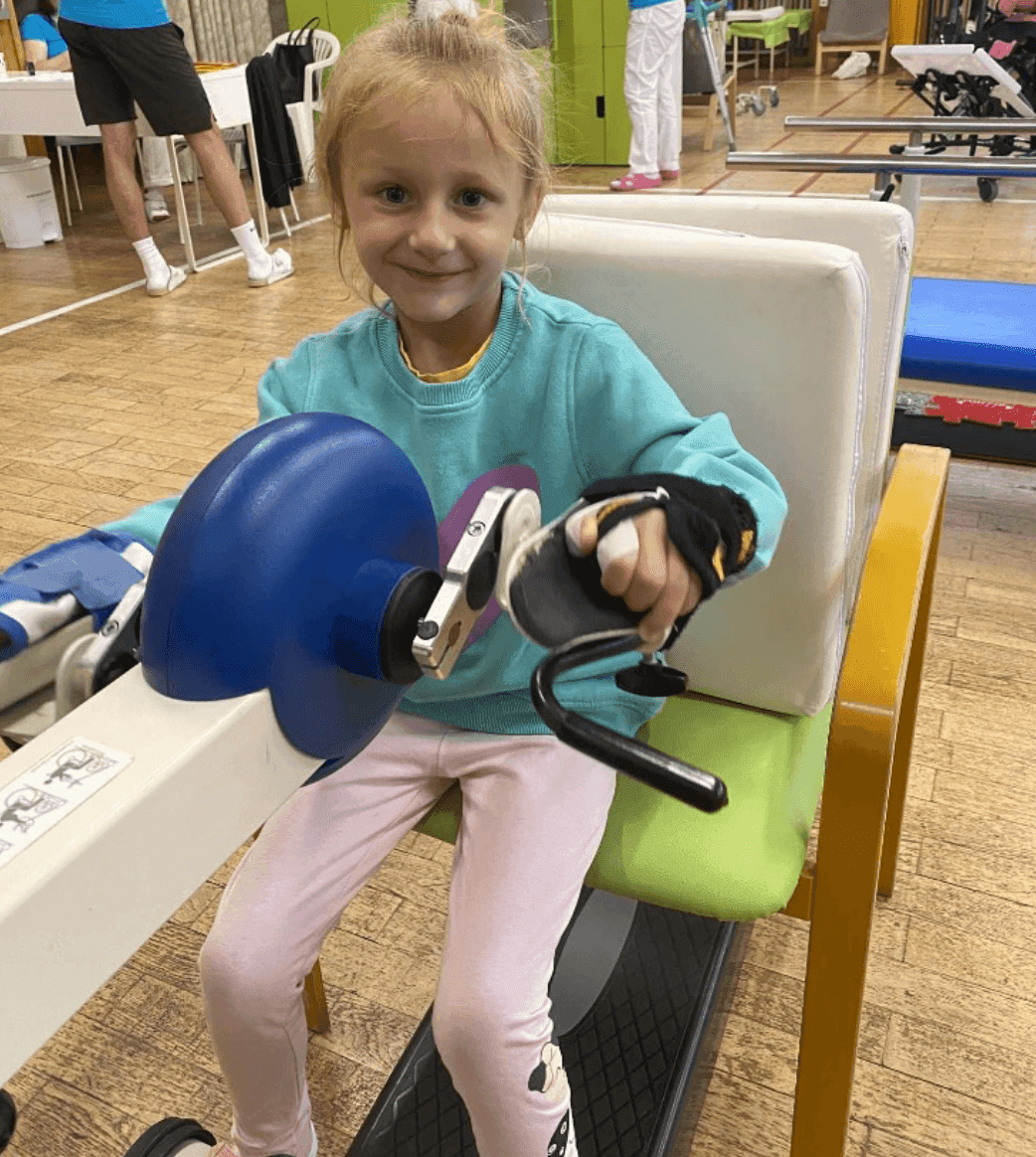
Jakub
Kuba is a ten-year-old boy who lives with a rare, very severe, incurable, and drug-resistant form of epilepsy – Dravet syndrome, often referred to as catastrophic epilepsy. He experienced his first epileptic seizure as a six-week-old baby. Despite taking a combination of four medications, he still has several seizures every day – ranging from absences and myoclonic seizures to large, multi-minute convulsive seizures with loss of consciousness and stopped breathing, which can be life-threatening.
Dravet syndrome also affects Kuba with intellectual disability, autism, ADHD, hyperactivity, and motor difficulties. Even at his age, he relies on a medical stroller. He has a weakened immune system, dysphagia, loss of appetite (he eats almost nothing and requires nutridrinks), and many other health complications. He must follow a strict daily routine – every seizure erases what he has previously learned. Seizures can be triggered by elevated body temperature (even a common cold is dangerous for him), fatigue, changes in environment, hot weather, and especially emotions – he must not become angry or overly excited.
Kuba has difficulty walking, speaks very little, cannot dress or feed himself without help, wears diapers, and requires full-time specialized care. Epileptic seizures can occur even at night. In addition, he has an extremely high risk of SUDEP – sudden unexplained death in epilepsy patients. For this reason, Kuba must be constantly monitored, especially at night, so that emergency intervention, administration of SOS medication to stop a seizure, or first aid and resuscitation can be performed promptly.
How did the Advenťák runners help Kuba?
The Advenťák runners provided Kuba with a nighttime epilepsy seizure monitor.
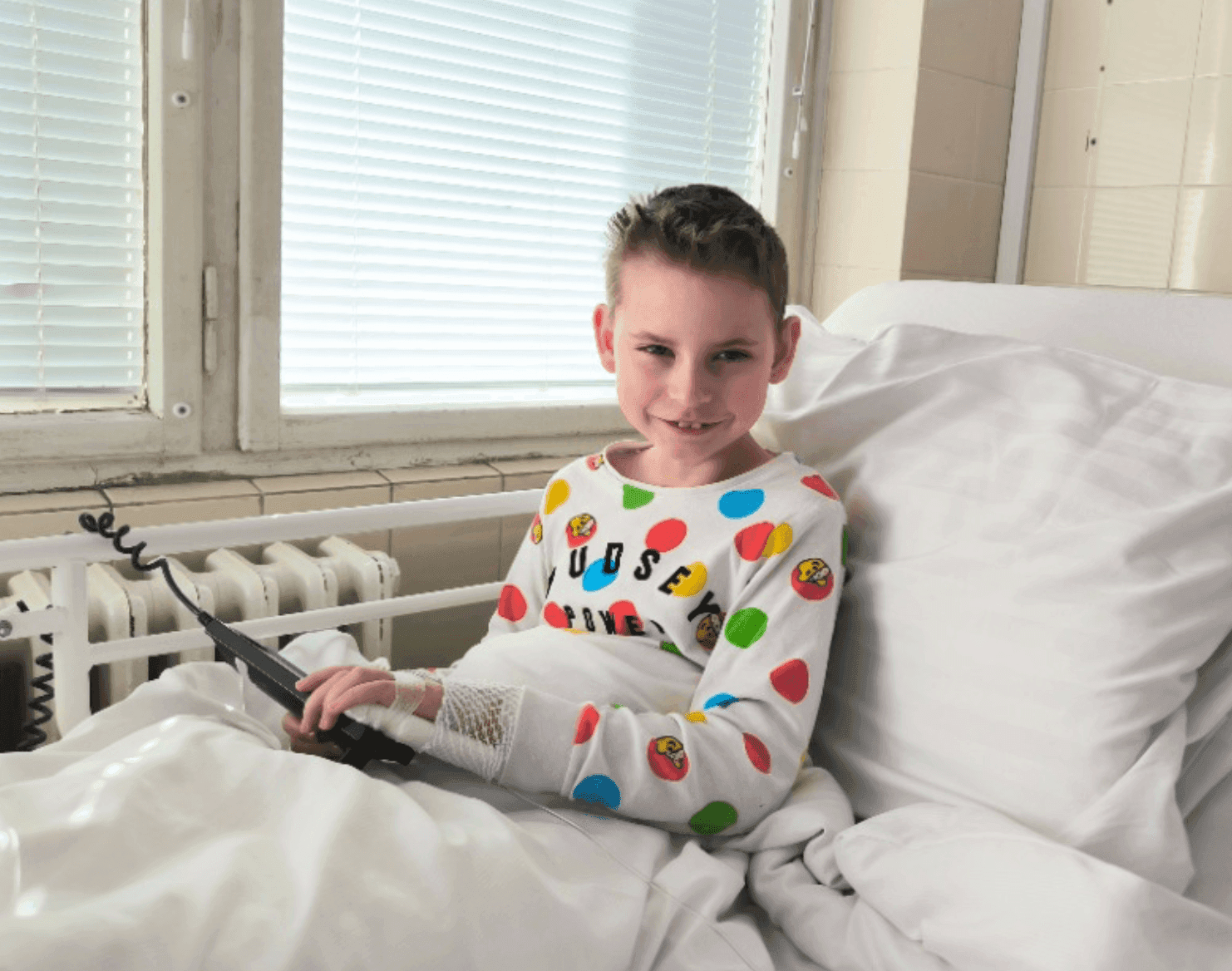
Jiří
Jiřík is a twenty-six-year-old young man who has been diagnosed with cerebral palsy – quadriparesis.
He grew very quickly, unfortunately asymmetrically – the left side of his body is larger (a bigger hand, shoe size 36 compared to 34 on the right) – which led to the development of rotational scoliosis, significantly affecting his quality of life. Surgical intervention at his age and health condition is very risky, so the approach chosen was intensive rehabilitation to prevent the scoliosis from worsening.
Jiřík attends outpatient rehabilitation three times a week and goes on rehabilitation stays four times a year, where he also undergoes additional procedures that greatly relieve painful spasms and strengthen his whole body.
How did the Advenťák runners help Jiřík?
The Advenťák runners provided Jiřík with a 14-day rehabilitation stay.
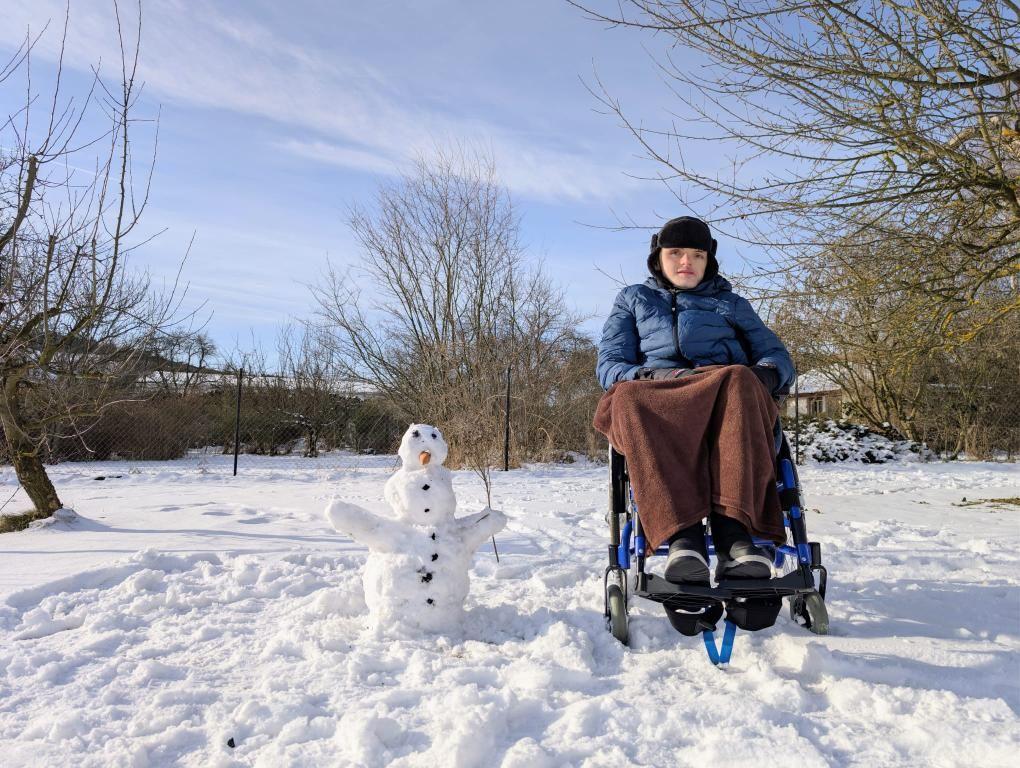
Martínek
Martínek has been dependent on a wheelchair since a difficult birth and requires continuous, 24-hour care. He is very capable and cheerful, attends a special school, and enjoys learning new things.
Until the very last minute of pregnancy, he was a completely healthy baby. Unfortunately, that final minute changed everything. After birth, he was not breathing and had to be resuscitated by doctors. They succeeded, but he began breathing on his own only after nearly half an hour. He still lives with the consequences today – he requires round-the-clock care, uses a wheelchair, and is practically unable to do anything independently.
Martínek is now 14 years old, but his motor skills correspond approximately to the level of a six-month-old child. Despite this, he is a capable, intelligent, and always smiling boy.
How did the Advenťák runners help Martínek?
The Advenťák runners provided Martínek with a rehabilitation stay at a sanatorium in Klimkovice.
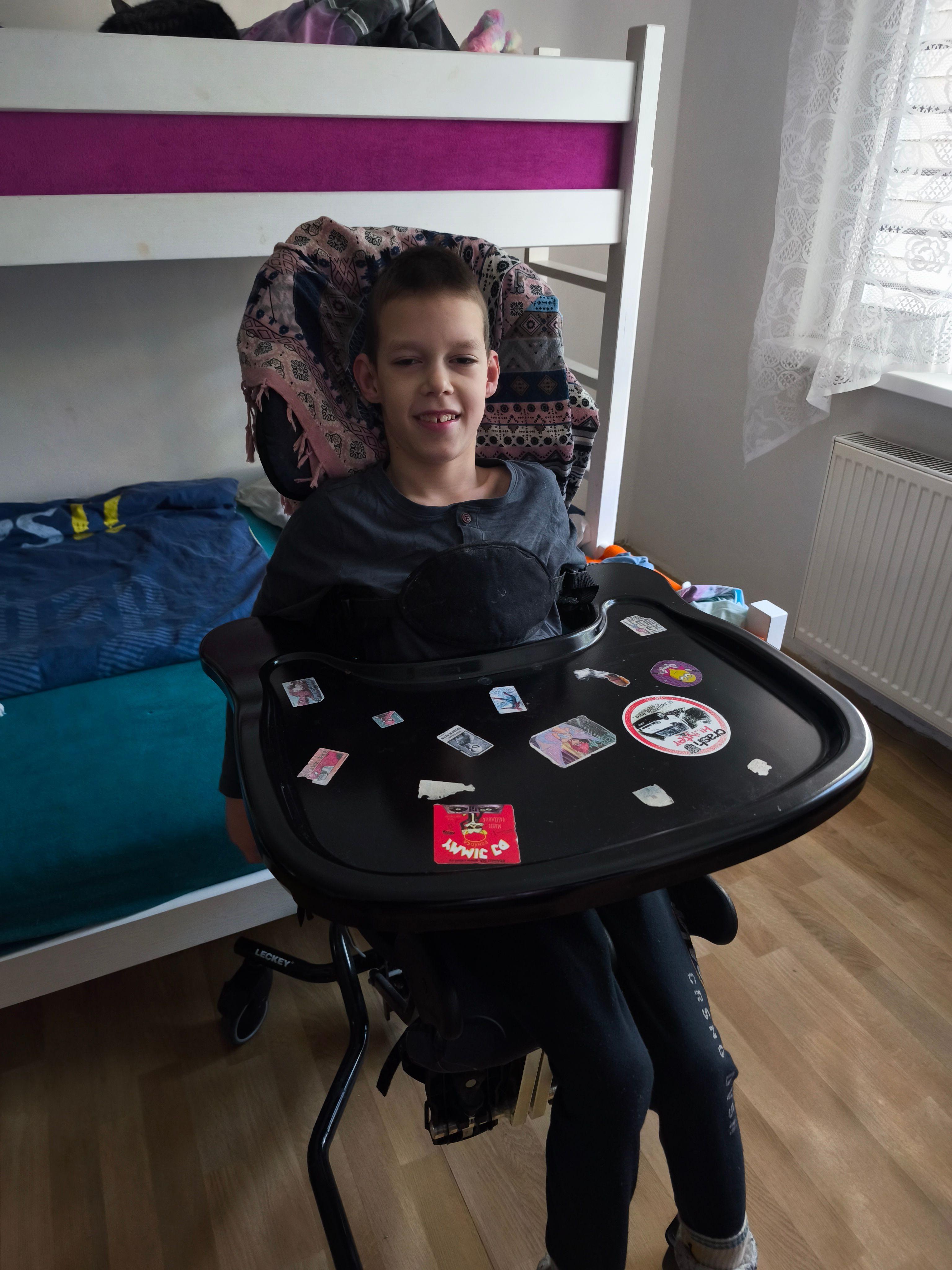
Mia
Miuška is a six-and-a-half-year-old girl. If everything had been normal, she would be starting first grade this September, but for now she attends a special preschool and uses a wheelchair. Already at birth, it was discovered that during an apparently uncomplicated pregnancy she had suffered a brain hemorrhage – the consequences of which she still lives with today.
Miuška cannot walk, but after six years of diverse and intensive rehabilitation, she is able to sit up and say a few words. She is currently experiencing a good period – her body and mind do not hurt her as much, her outbursts and anxieties have decreased, she laughs a lot, and she is exploring her limits. She experiments with controlling her wheelchair, tries out new words, and even looks forward to exercises and therapies that she used to cry through. She is opening up to the world, bringing great joy to everyone around her.
Miuška is already just past the age when children develop the fastest, but there is still progress to be made – the brain is plastic and will continue to develop. Another important stage that can slow progress in children with cerebral palsy is the onset of puberty – which means Miuška and her family still have a few years during which remarkable progress can be achieved.
How did the Advenťák runners help Mia?
The Advenťák runners provided Mia with rehabilitation and therapy sessions.
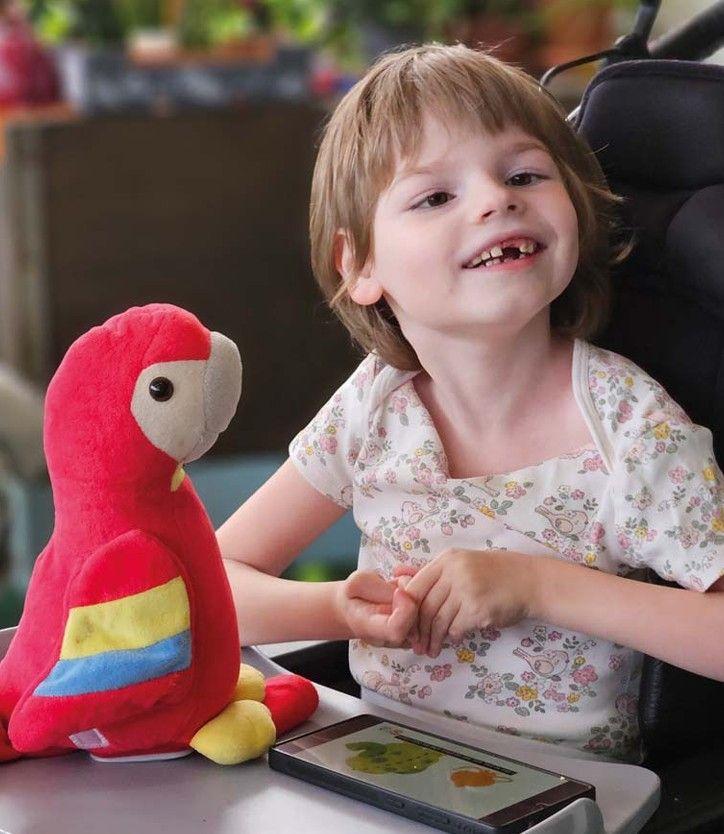
Nataniel
Nataniel is an eleven-year-old boy who is living with Duchenne muscular dystrophy, a rare genetic condition. This disease causes the gradual weakening of all the muscles in the body, including those necessary for walking, breathing, and everyday activities. Since last year, Nataniel has unfortunately been unable to walk and is completely dependent on his mother’s continuous care, 24 hours a day, 7 days a week.
The diagnosis came shortly before his parents’ wedding, and since then, the life of the entire family has changed fundamentally. Despite this, Nataniel is a smiling boy who loves space, cooking, and board games. Even with his illness, he takes part in running challenges from his wheelchair.
His mother, Michaela, who herself battled acute leukemia in childhood, now devotes all her strength to caring for her son. Despite her own difficult life journey, she also helps others – she adopted an unwanted beagle named Drago.
How did the Advenťák runners help Nataniel?
The Advenťák runners provided Nataniel with neurorehabilitation at the Astra Center.
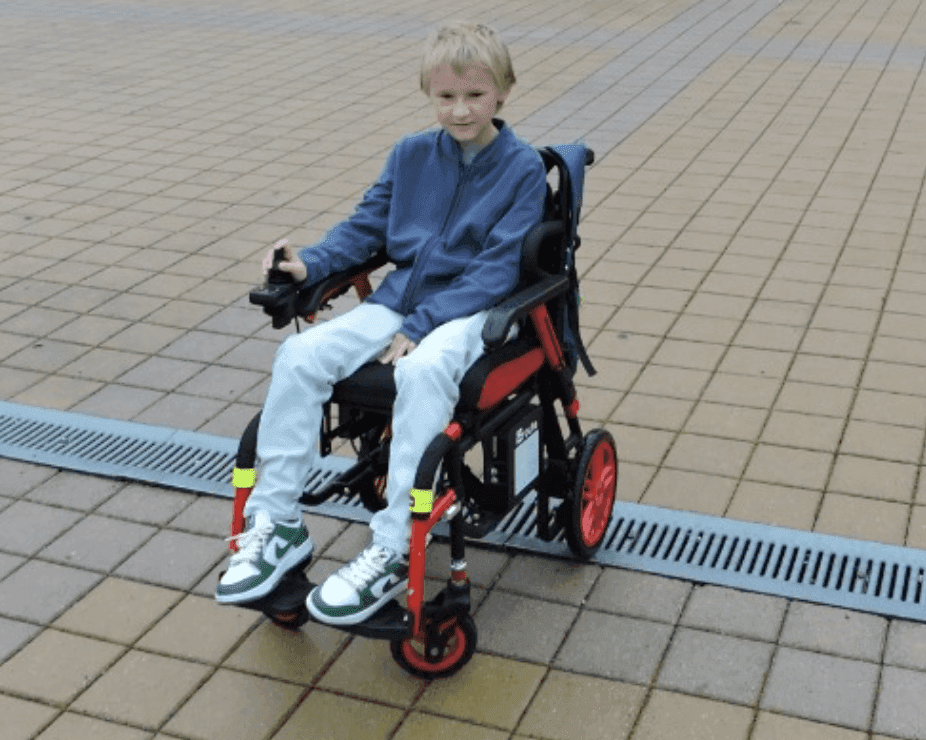
Peťulka
Péťa is a five-year-old boy who has been diagnosed with Duchenne muscular dystrophy. This condition will gradually take away his strength, his ability to walk, and the ability to drink or feed himself. In addition, he struggles with developmental dysphasia – his speech corresponds roughly to that of a two-and-a-half-year-old – and attention deficit disorder (ADHD). The only medication that slightly slows the loss of his walking ability unfortunately causes a side effect in the form of high blood pressure.
Physiotherapy is especially important for Péťa to maintain his quality of life and slow the development of contractures – shortening of the tendons and spinal deformities. Hippotherapy helps him not only to strengthen his muscles and improve posture but also has a positive effect on his mental well-being.
Since there is no cure for Duchenne muscular dystrophy, therapies are the only way to improve Péťa’s quality of life and, when possible, relieve his pain.
How did the Advenťák runners help Péťa?
The Advenťák runners provided Péťa with hippotherapy, physiotherapy, speech therapy, and necessary vitamins.
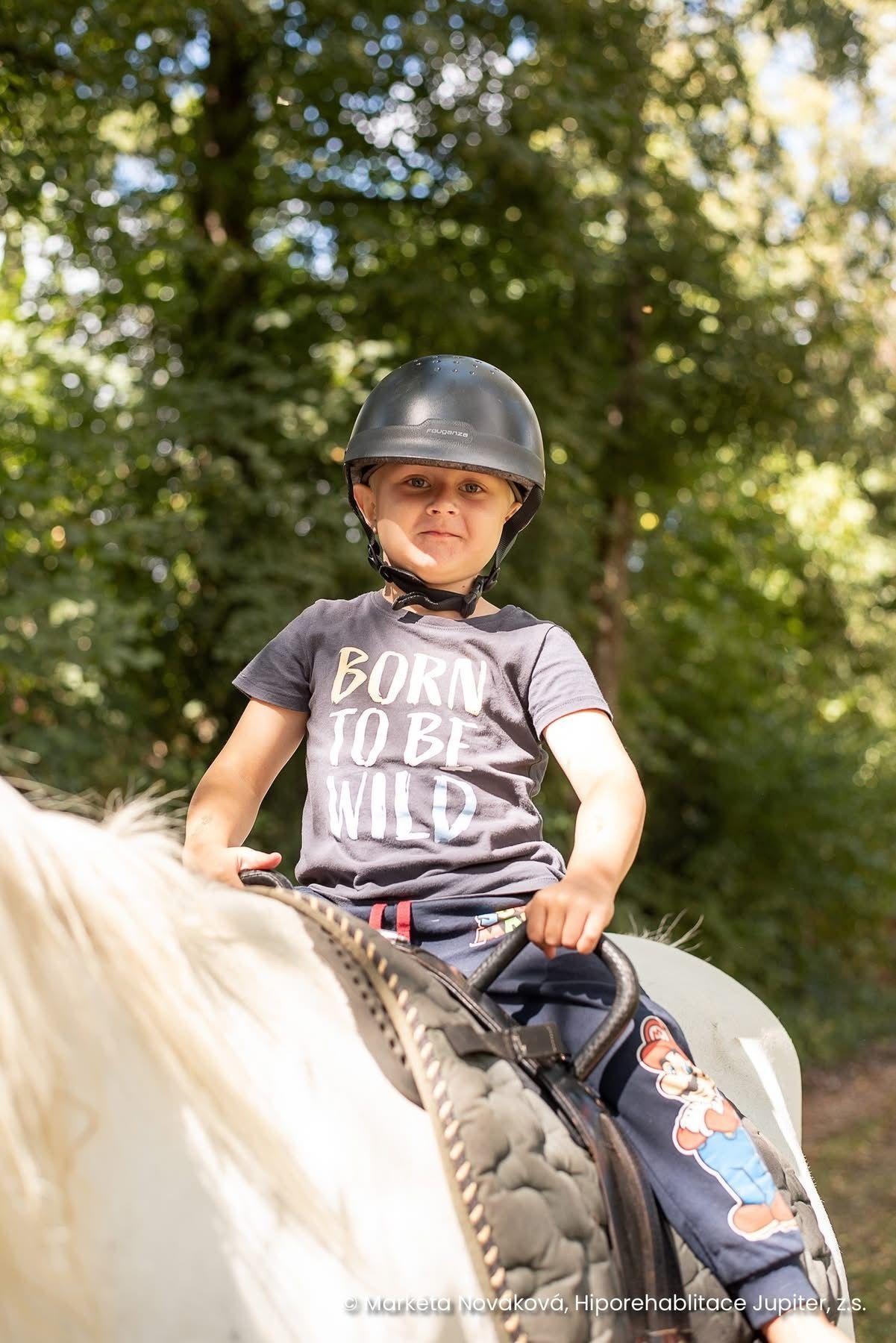
Sašík
Sašík was born as a healthy boy who thrived during the first six months of his life. However, after his first year, he experienced a seizure in the form of convulsions, preceded by high fevers, and was taken to the hospital by the emergency medical service. Since then, he has been experiencing epileptic seizures and undergoing numerous regular examinations, during which hypotonia and delayed psychomotor development were diagnosed.
Recently, Sašík was diagnosed with a genetic condition – spinocerebellar ataxia. He is the only patient in the Czech Republic with this condition. His parents are doing their best to support his development, even though the prognosis is not very promising. More about his journey can be found on the website sasik.cz.
How did the Advenťák runners help Sašík?
The Advenťák runners provided Sašík with a three-month rehabilitation program at the Hájek Center.
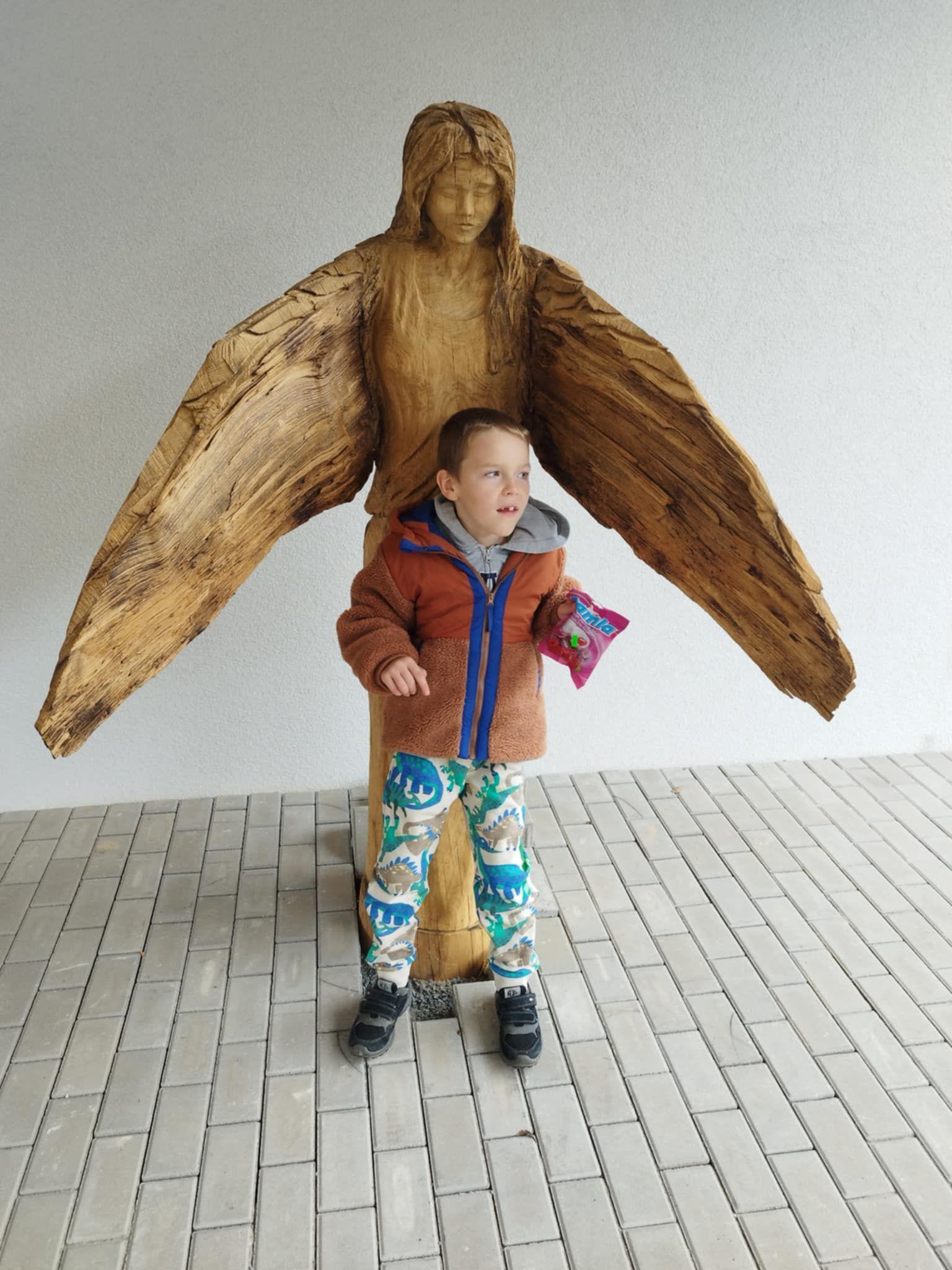
Sofinka
Eight-year-old Sofinka suffers from the most severe form of spinal muscular atrophy – a disease that takes away her muscles, her breath, and her ability to move. Yet she does not give up.
Despite all the hardship she has endured in hospitals, despite the tens of thousands of kilometers she has had to travel for treatment, and despite her significant physical disability, she is a little girl who shares smiles with everyone around her. She is sociable, bright, and curious. She loves spending time with her friends, enjoys good food, educational programs, puzzles, and even school. She likes wearing dresses, getting into mischief, playing cards, reading books, and she absolutely loves swimming.
How did the Advenťák runners help Sofinka?
The Advenťák runners provided Sofinka with a rehabilitation stay, which she needs on a regular basis.
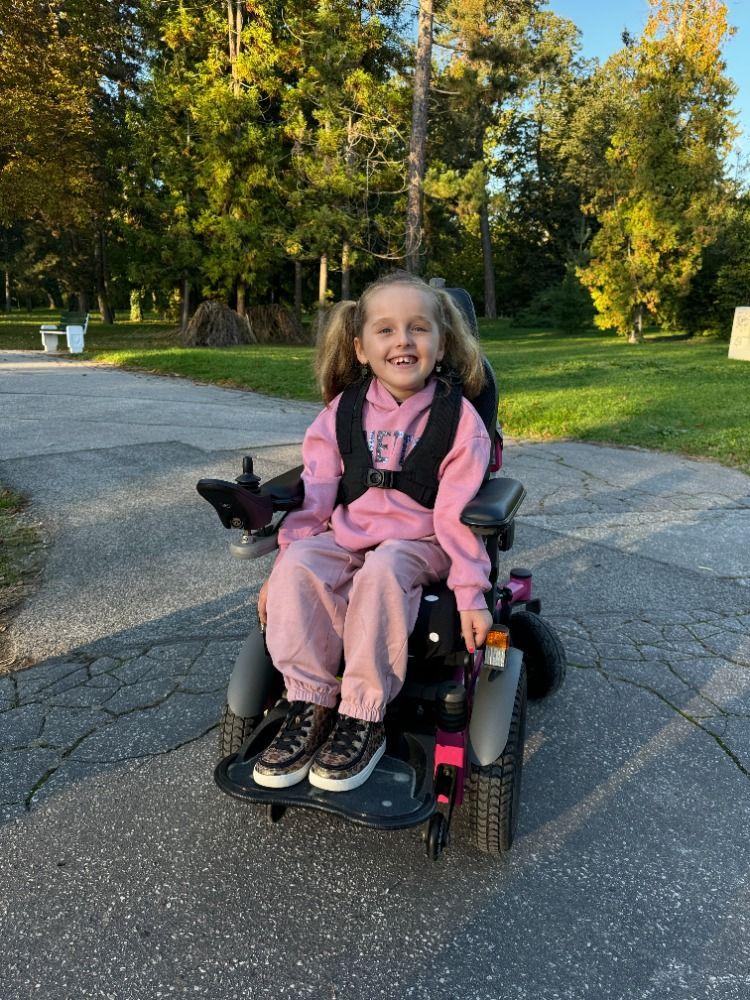
Tomášek
Tomášek is a three-year-old boy who was diagnosed in October 2025 with a very rare genetic condition called ALG13-CDG after a series of specialized medical examinations. It is extremely uncommon, and so far only about 80 patients with this condition have been described. Unfortunately, there is currently no effective treatment. Doctors and geneticists are still carrying out additional analyses to rule out other possible conditions and to confirm this diagnosis with complete certainty.
This condition has caused drug-resistant epilepsy (he experiences many epileptic seizures every day), psychomotor delay, severe central hypotonia, dysphagia, and other complications. In February 2026, Tomášek had a PEG tube inserted, through which he is now fed directly into his stomach several times a day. Recently, our son was also started on a strict ketogenic diet, which, if effective, should help reduce the number of epileptic seizures and improve his quality of life.
How the Advenťák runners will help?
The Advenťák runners would like to fund intensive therapies in a children’s sanatorium, hippotherapy, and rehabilitation aids that can help strengthen his body and that unfortunately are not covered by health insurance.
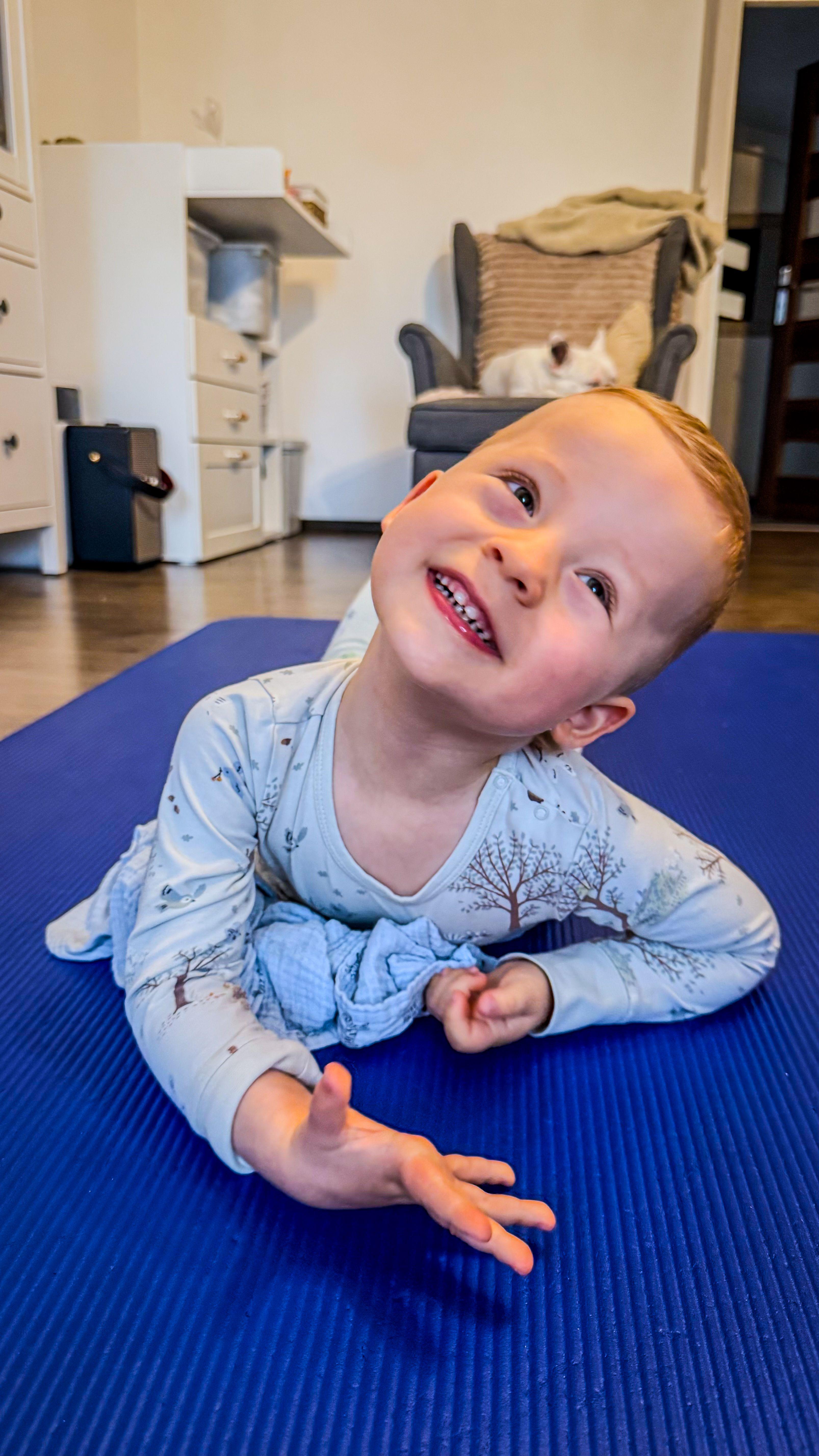
Natálka
Natálka is a five-year-old girl with a disability. She was affected by cytomegalovirus in the middle of pregnancy, which stopped the development of her brain. As a result, she is bedridden, has severe epilepsy, underwent hip surgery last year, and has impaired vision and hearing.
Despite all this, she is an incredibly happy and smiling little girl who manages all viral infections, bronchitis, and sleepless nights caused by vomiting. Every one of her smiles gives us strength to care for her. She loves watching Peppa Pig and often bursts into laughter while watching it or while cuddling with her sisters.
After her hip surgery, Natálka experienced very severe epileptic seizures with every touch of her legs, during handling, diaper changing, and carrying.
Now it is very important for her to undergo intensive rehabilitation so that the surgery does not have to be repeated for at least a few years. Naty knows that the exercises help her and smiles as soon as she sees that the physiotherapist has arrived. Natálka works very hard, and half a year after the hip surgery she already enjoys standing again and is incredibly happy about it. Unfortunately, our health insurance does not cover physiotherapy.
How the Advenťák runners will help?
The Advenťák runners would like to provide 100 hours of rehabilitation therapy so that Natálka can exercise as much as possible and properly load her hips, helping the results of the surgery last as long as possible.
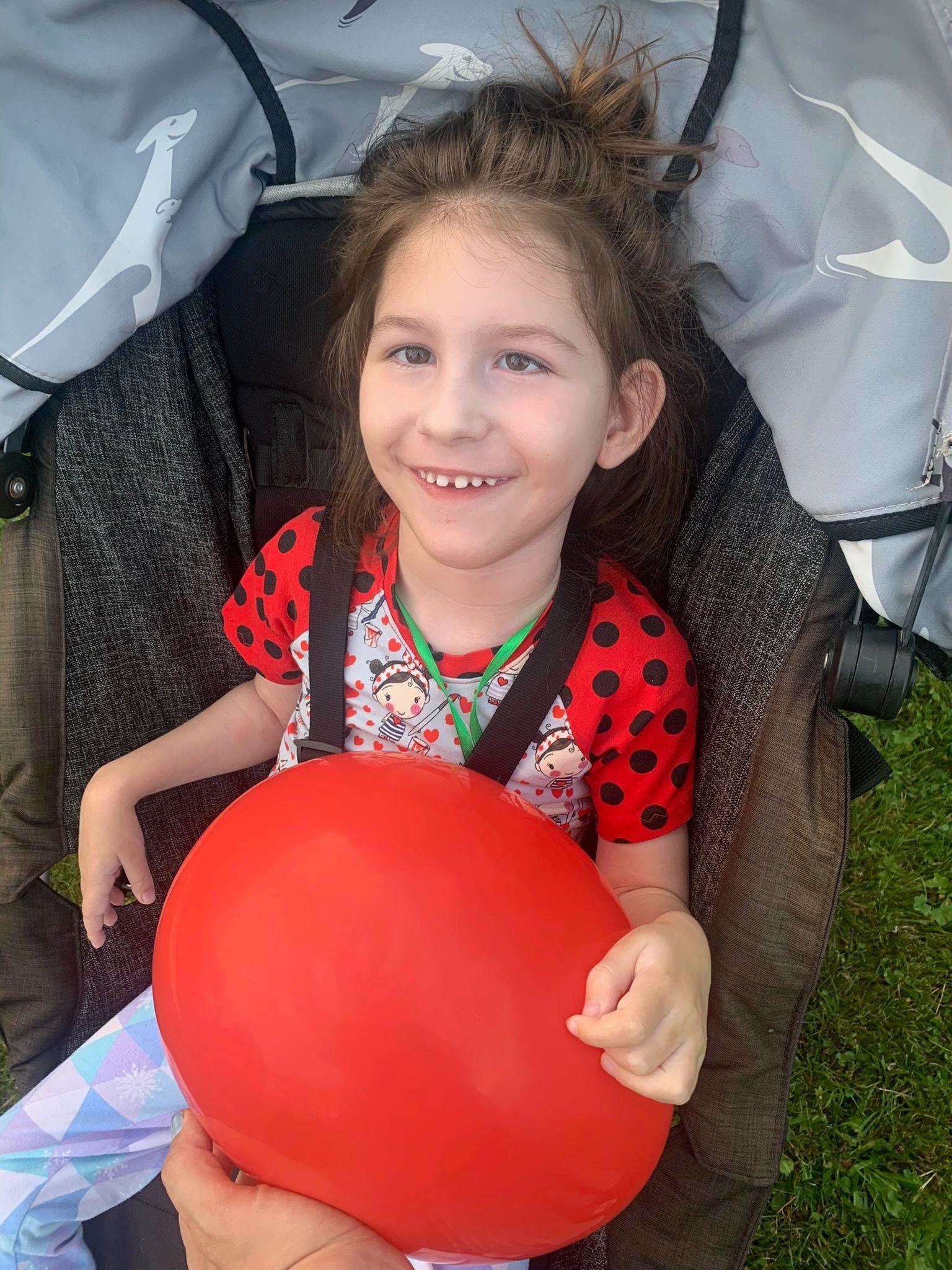
Matýsek
Matýsek was born in the 32nd week of pregnancy by an emergency Caesarean section. He was born with multiple deformities of all his limbs as well as a facial deformity, because of which he had to be connected to a breathing machine. These conditions were not detected during pregnancy.
Since his birth, we have come a long way – from learning basic swallowing and sucking to daily exercises and stretching. Matýsek has already undergone seven different surgical procedures under anesthesia, and we now know that more will be necessary.
Matýsek is 7 years old and still does not have a precisely determined diagnosis. His medical reports state: non-specific craniofacial stigmatization, numerous congenital joint deformities and contractures.
Matýsek still cannot walk; deformities of his hands and feet prevent proper development.
How the Advenťák runners will help?
The Advenťák runners would like to provide a year of intensive physiotherapy and speech therapy.
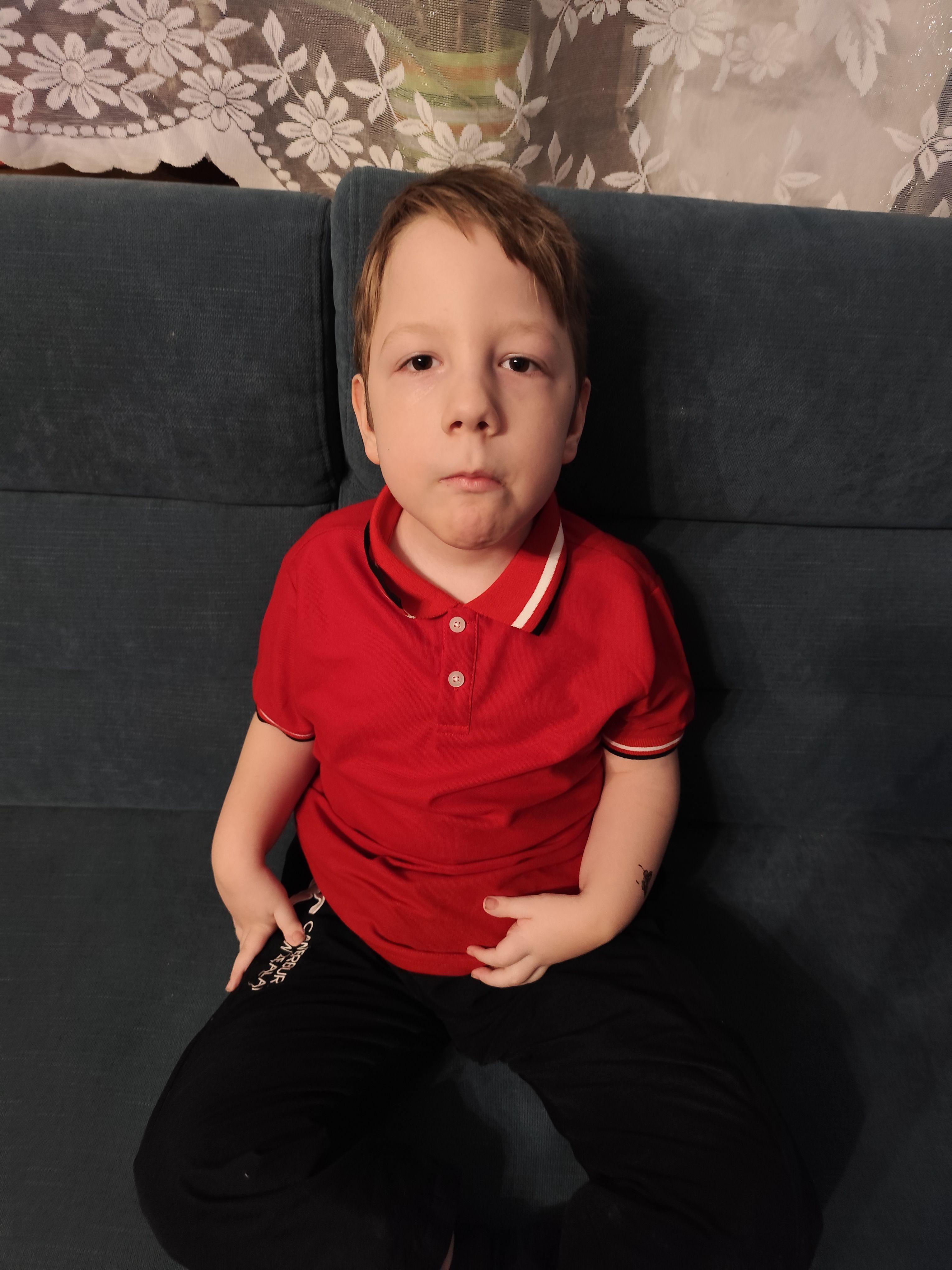
Kačenka
Kačenka was born in January 2012 as a healthy baby, but over time a significant developmental delay became apparent. From an early age she has been undergoing exercises and medical treatment. Additional diagnoses followed, including microcephaly, hypotonia, epilepsy, and scoliosis. She also struggled greatly with feeding – for years she was fed through a tube directly into her stomach, which was finally removed after eight years.
Today, Kačenka regularly attends rehabilitation and exercises, and undergoes hippotherapy, physiotherapy, speech therapy, as well as alternative therapies. She is making progress step by step – she has learned to sit, move around on her bottom, and can walk a short distance with assistance. She also perceives her surroundings very well, even though she does not speak. Caring for her is a full-time commitment, but every improvement is a huge reward and source of hope for her family.
How the Advenťák runners will help?
The Advenťák runners would like to contribute to the purchase of a larger car to enable transportation to therapies, doctor’s appointments, and treatment at medical spas. At the same time, they would like to support therapy using the Feldenkrais method with Petra Oswaldová. This therapy is also connected with canisterapy.
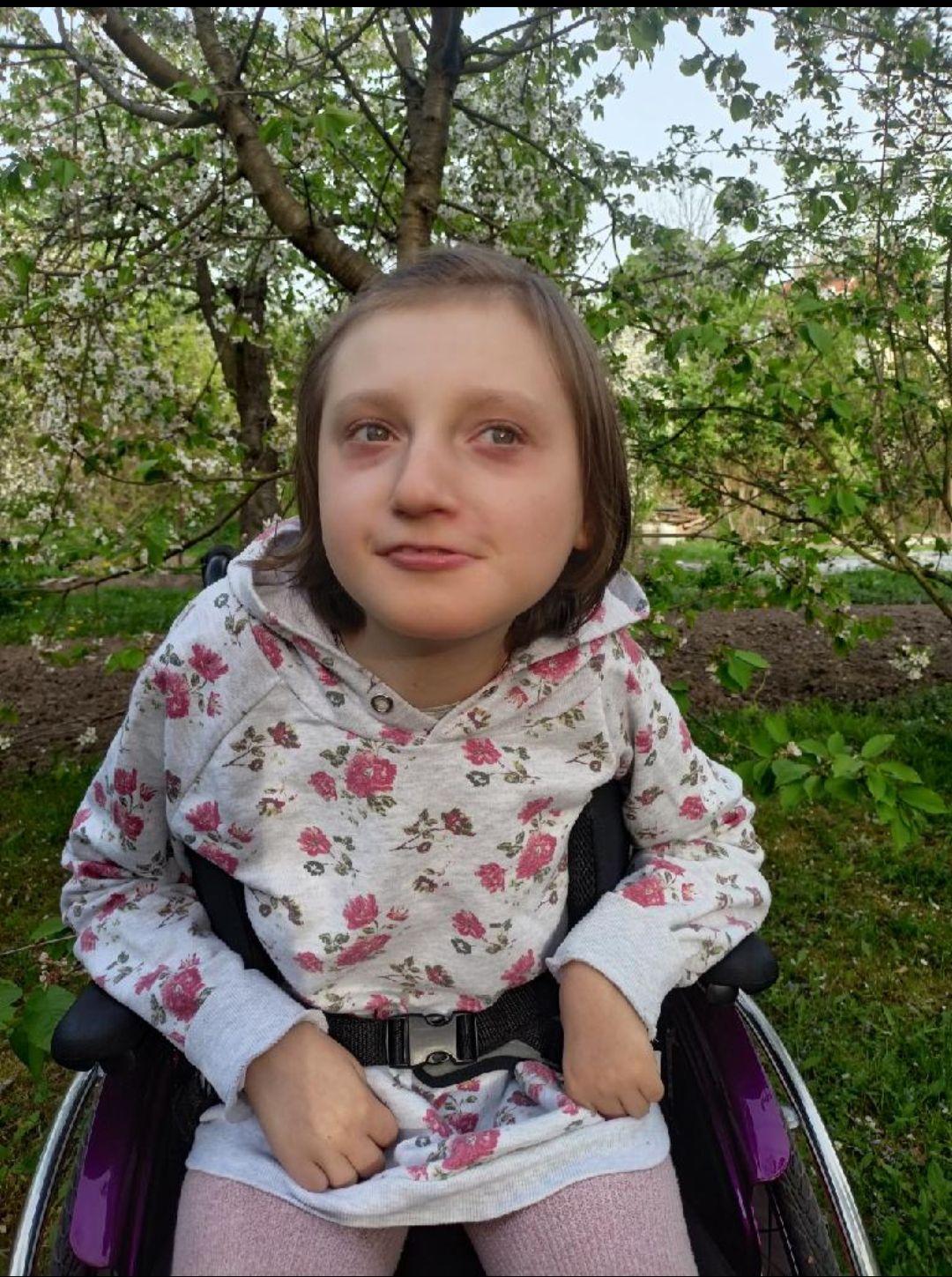
Jakub
Kuba was born extremely prematurely, at just 25 weeks of pregnancy, along with his brother Tomášek, who unfortunately passed away after eight days. The early days were very difficult for the family—Kuba’s prognosis did not look good, and his chances of survival were initially very low. However, Kuba fought for his place in this world. This year, he will celebrate his 15th birthday.
He is an incredibly cheerful and lively boy. Although he cannot speak or walk, he is the most easygoing and happy child. He travels, exercises, goes on long hikes, rides his bike, and runs with his family.
Caring for Kuba is demanding. His current condition is the result of continuous rehabilitation and high-quality care, which requires enormous effort from the entire family as well as significant financial resources.
How did Advenťák runners help Kuba?
Advenťák runners funded a special rehabilitation program for Kuba, which helps him greatly and allows him to enjoy an active life with his entire family.
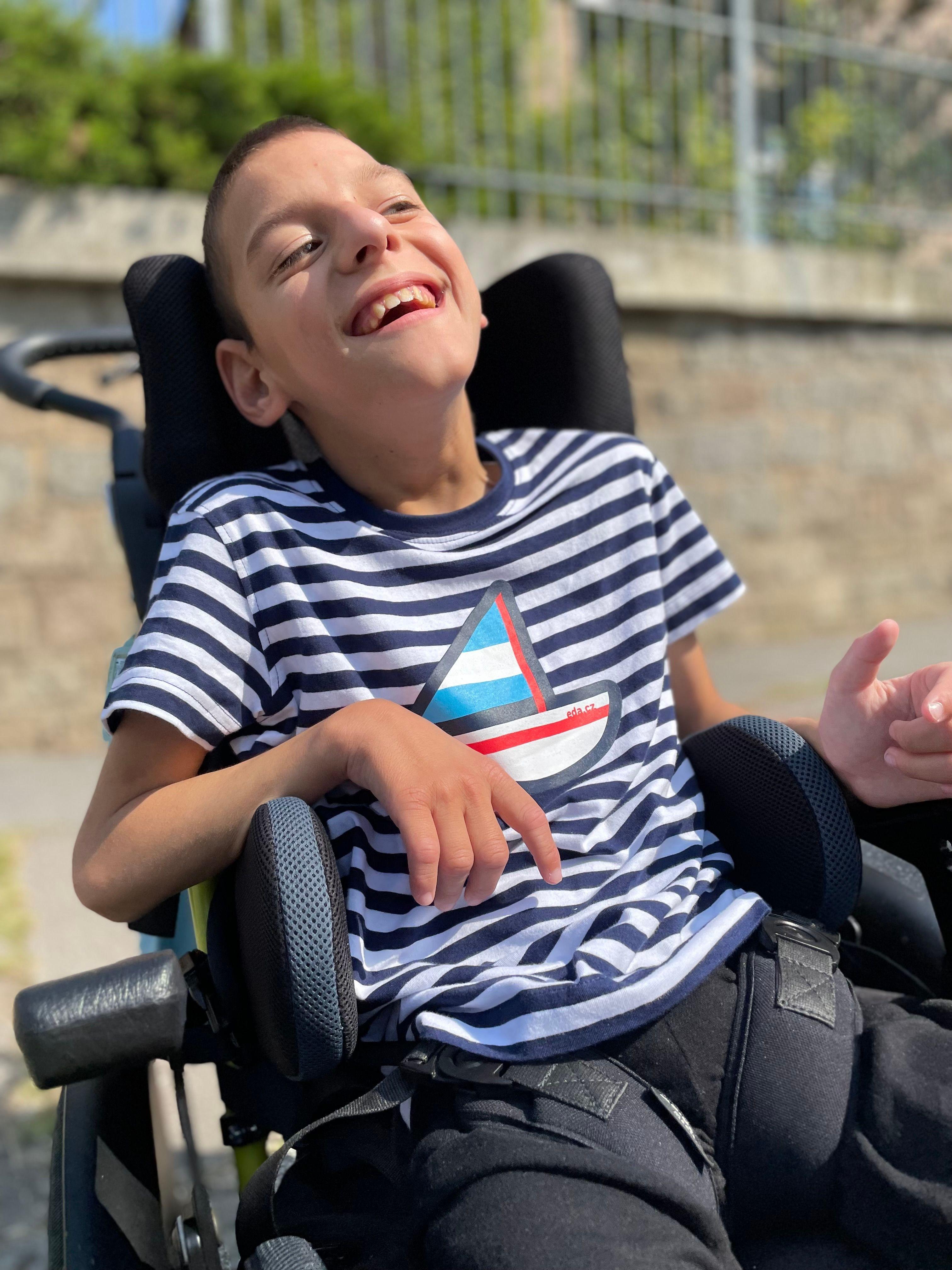
Lucinka
Lucinka has been facing challenges since birth that affect both her movement and communication. For her age, she is very intelligent, and if she could speak, she wouldn’t stop talking. Lucinka has muscle problems not only in her legs but also in her neck, which makes it difficult for her to hold her head upright and gives her no strength to speak. She relies on sign language, and even so, she tries very hard both when signing and when communicating.
Her determination and strength are truly admirable. In addition to learning to improve her sign language and managing many tasks on a touchscreen computer, her dedication during exercises is incredible—she gives 150% effort and doesn’t allow herself to feel tired. Thanks to this, she achieves results: at just seven years old, Lucinka was able to take a few steps entirely on her own.
Lucinka is not alone in her journey. Besides her mother and older sister Zuzka, she is supported by her assistance dog Gita, who is a steadfast companion. Regular neurorehabilitation, which greatly helps her progress, is unfortunately not covered by insurance. Since Lucinka’s path to improvement is still very long, these therapies are financially demanding for her mother and will continue to be so for several years. A financial donation would be a tremendous help, allowing at least partial coverage of the cost of her therapies.
How did Advenťák runners help Lucinka?
Advenťák runners provided Lucinka with regular neurorehabilitation at the ASTRA Neurorehabilitation Center in Brno. These sessions are essential for her, help her make progress, and are crucial for her development.
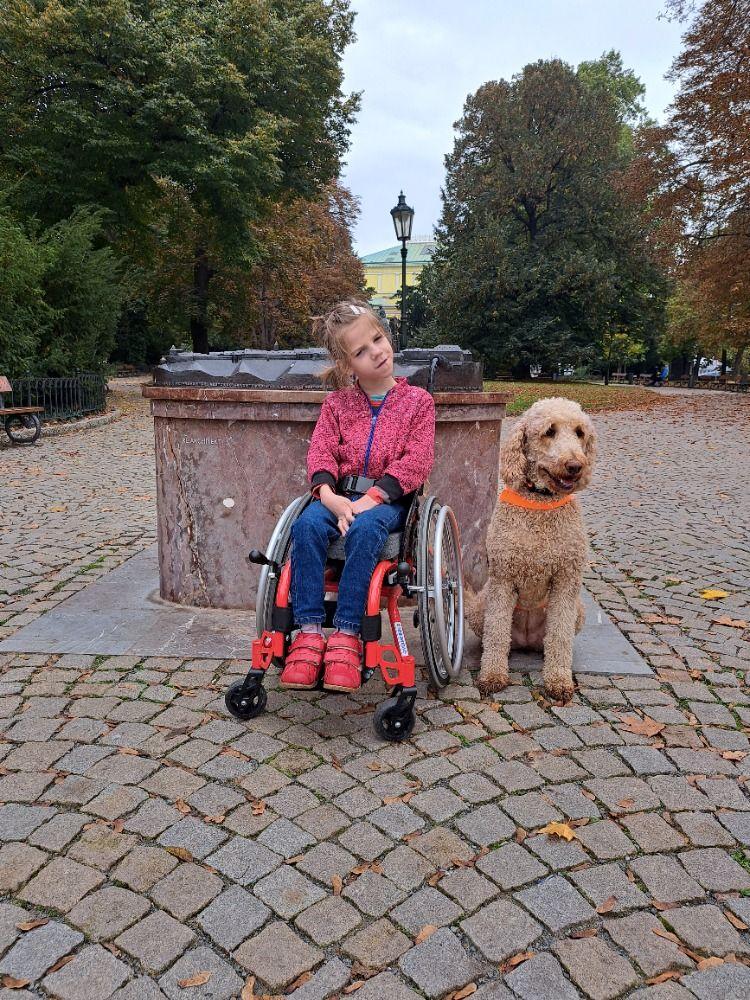
Leona
Leonka was born extremely prematurely, at just 23 weeks of pregnancy, with a birth weight of 550 g.
Lea won her fight for life, but when it comes to her health, the battle is far from over. She has been diagnosed with cerebral palsy and spastic diplegia.
Leonka began practicing the Vojta method four times a day, which benefits both her motor skills and mental development, and she regularly attended rehabilitation sessions. She also attended several stays at the VESNA children’s treatment spa in Janské Lázně. Each time she went to the spa, she made progress; what might seem small to others was enormous for Leonka. At two and a half years old, Lea began to crawl. This was the result of intensive exercises and rehabilitation.
At nine years old, Leonka is able to walk fairly well with the help of crutches and can take a few independent steps, which brings her great joy. Thanks to her training, her motor skills and stability have improved significantly.
In February 2024, Leonka underwent a major leg surgery at Motol Hospital, which involved Achilles tendon surgery and foot stabilization. After the operation, Lea had a cast for 12 weeks. Once it was removed, she had to start rehabilitation immediately: one month at Sanatorium Klimkovice and then at Axis in Piešťany.
Lea attends a regular school, where she has a personal assistant who helps her with all daily activities. Among her classmates, she is very popular thanks to her ever-cheerful mood and “contagious” optimism.
How did Advenťák runners help Leonka?
Advenťák runners provided Leonka with rehabilitation at Axis in Piešťany.
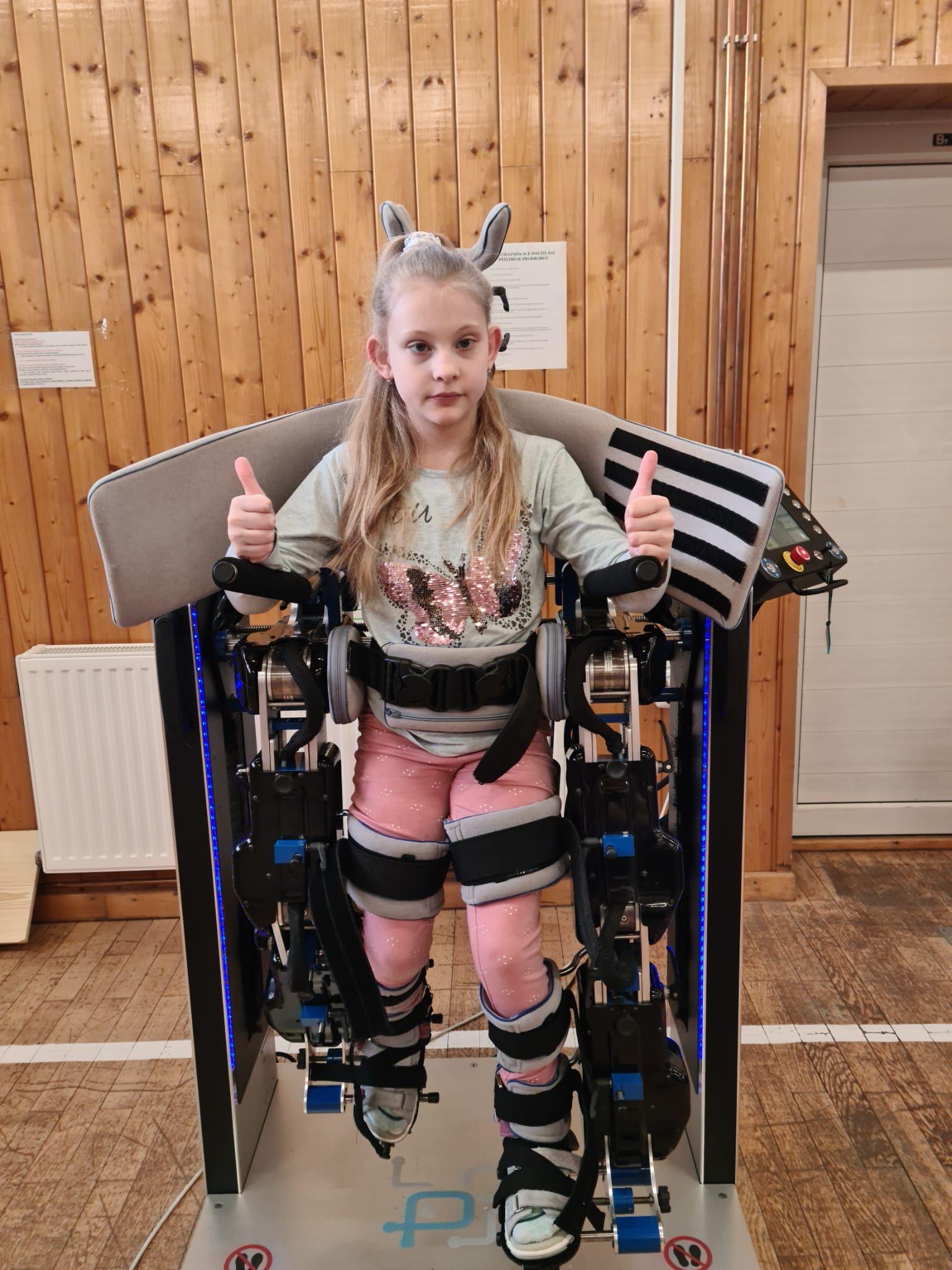
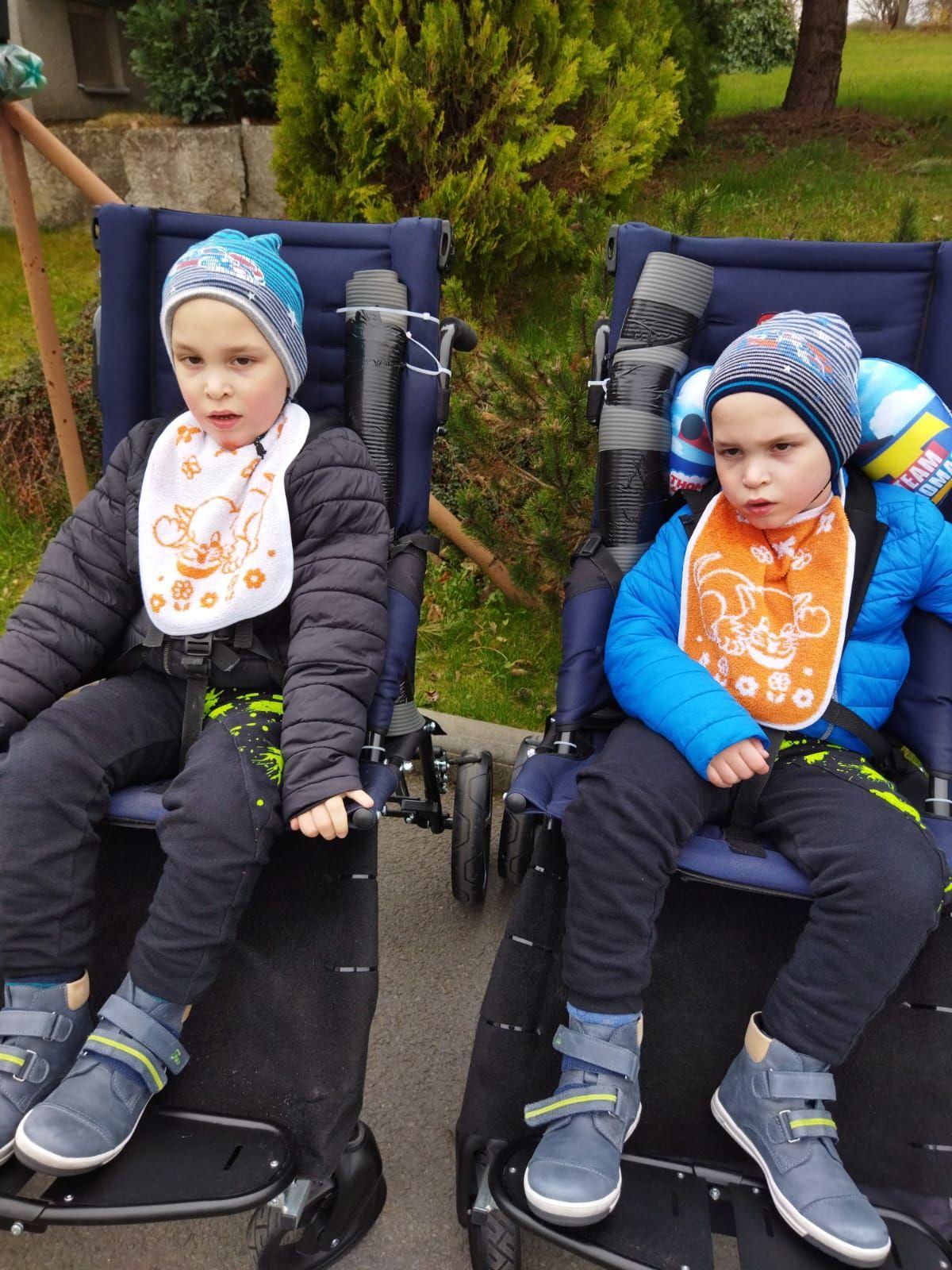
Šimon a Matěj
Twins Šimon and Matěj were born prematurely, in the 31st week of pregnancy. After birth, various complications arose, and at the age of two, both boys were diagnosed with cerebral palsy. Today, they are six years old. Their walking is unsteady, and their mental development corresponds to that of a ten-month-old child. Two years ago, they were also diagnosed with epilepsy, which makes their care even more challenging—seizures are often unpredictable and frequent. Caring for the boys is very demanding and requires constant attention.
Given the boys’ condition and development, it is necessary to provide special orthopedic footwear, specialized wheelchairs, strollers, and hygiene supplies, all of which are very costly. The family therefore depends on financial assistance. The demands of caring for the boys significantly exceed the benefits the family receives.
How did Advenťák runners help Šimon and Matěj?
To ensure they could travel safely to all essential rehabilitation sessions, Advenťák runners arranged the necessary modifications to their vehicle. This included, in particular, the supply and installation of a securing system for a stroller or wheelchair, a complete replacement and reinforcement of the vehicle floor, installation of longitudinal anchoring rails, and the fitting of a foldable access ramp.
Prokop
Prokop was born prematurely, in the 26th week of pregnancy. As a result of his early arrival, he has cerebral palsy in the form of spastic quadriparesis. The condition affects all his limbs, as well as his trunk and spine. His health is improved through comprehensive exercise and intensive rehabilitation, which is financially demanding.
Prokop is now 23 years old and is in his second year studying Software Engineering at Tomas Bata University in Zlín. IT is his great passion, and he hopes to pursue it professionally after completing his university studies.
The severe form of his condition does not allow him to move or live like an average person. Prokop’s illness has turned his family’s life upside down—they have adapted everything to help him improve and develop his abilities so that he can become as independent as possible in the future.
Independence and self-sufficiency in adulthood are his greatest goals, and he continues to work towards them despite medical predictions and the limitations of his condition. Unfortunately, his diagnosis is incurable, and the only path to improvement is continuous, comprehensive exercise.
How did Advenťák runners help Prokop?
Advenťák runners provided Prokop with neurorehabilitation and additional therapeutic exercises.
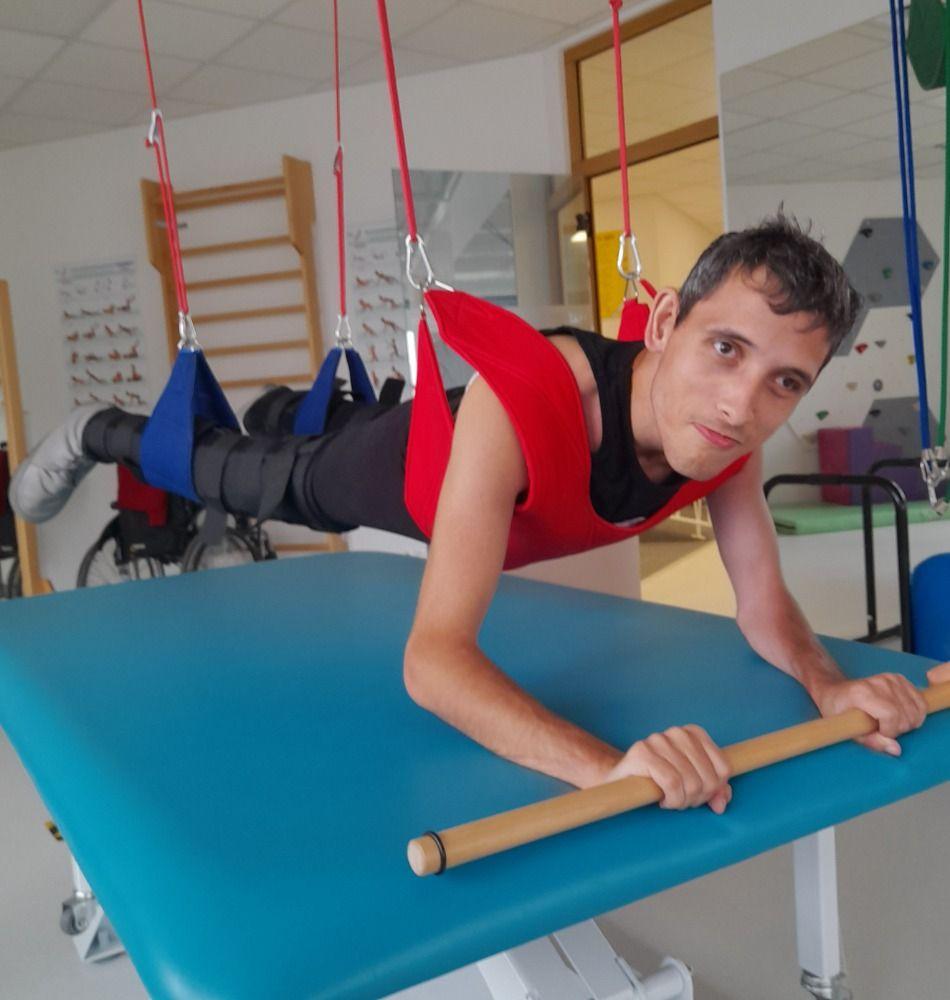
Julinka
Julinka is a five-year-old, cheerful, brave, positive, and talkative little girl who loves animals, puzzles, and beads. She depends on 24-hour care from her mother.
Life has not been easy for Julinka since birth. Due to a breech position, she was delivered by caesarean section, during which her right thigh bone was fractured. This was followed by a cast, and due to a congenital bilateral hip dislocation, she underwent two demanding surgeries and spent five months in a full-body cast up to her chest.
Unfortunately, her health complications continued to accumulate—she suffered a repeated fracture, and as a result of prolonged immobilization in a cast, developed permanent hyperabduction. Julinka is unable to bring her legs fully together or straighten them completely. She also suffers from frequent lung infections and has difficulties with food intake, which is why she has a feeding tube inserted through the abdominal wall into her stomach; without it, she would suffer from malnutrition.
Since the age of 2.5, due to fragile bones, she has been using a wheelchair. Her spine is affected by severe scoliosis as a result of hypotonia and muscle atrophy caused by immobility.
In recent months, her great helper and companion has been her assistance dog, a miniature schnauzer named Baruška. Together, they face life’s challenges. Julinka spends a great deal of time in rehabilitation, both at home and with physiotherapists. Due to her fragility, however, she cannot attend just any physiotherapy, and it was necessary to find care tailored specifically to her needs. Two of her fractures were caused by a physiotherapist’s lack of caution.
With some luck and thanks to her incredible determination, she may be able to stand on her own feet and take a few steps within a few years, although the wheelchair will remain her lifelong companion.
All of this requires intensive rehabilitation and various medical aids, which are not always covered by health insurance.
How did Advenťák runners help Julinka?
Advenťák runners provided Julinka with an active manual wheelchair (Ultina INDIVIDUAL MINI) and also covered her physiotherapy sessions.
Vilémek
Vilém celebrated his 2nd birthday in September. He was born with a rare condition – Angelman syndrome – and has a deletion on chromosome 15, which means a part of it is missing. This syndrome is characterized by balance and coordination difficulties, severe intellectual disability, absence of speech, and sleep disturbances. Typical features include hand-flapping, “puppet-like” walking, fascination with water, and a smiling expression. Children with this syndrome often suffer from epilepsy, which can further affect their psychomotor development.
These children are also called “angel children” or described as having the “happy child syndrome,” due to their frequent smiles. Vilém will never be able to tell his brother how much he loves him, and it is uncertain whether he will ever be able to say “mom” or “dad” to his parents. Learning to crawl and later walk will require immense effort and discomfort through intensive therapies and rehabilitation, and even then, his walking will not reach the level of healthy children.
Vilém is currently significantly delayed in his development – he does not crawl yet and only moves by scooting, and he cannot walk. However, thanks to costly therapies and rehabilitation, he has begun to sit independently. His family faces a long and demanding journey filled with financially intensive rehabilitative exercises and therapies to help advance his motor development.
How did Advenťák runners help Vilém?
Advenťák runners provided Vilém with intensive therapies.